Southeast region
Tree removal and tree care in Florida
In Florida, tree work revolves around hurricane season, June 1 to November 30. Under §163.045, a local government can't require a permit to prune or remove a tree on a single-family lot when an ISA Certified Arborist or licensed landscape architect documents an unacceptable risk. Otherwise local permit rules apply.
City guides in Florida
Florida's sandy soils, high water tables and frequent storms shape how trees fail here. Roots stay shallow, soil saturates quickly, and hurricanes can push trees over at the root plate as easily as they break limbs. Research by the University of Florida's IFAS after the 2004–2005 hurricane seasons found clear differences between species: live oak, sabal palm and southern magnolia were among the more wind-resistant, while laurel oak, sand pine and water oak were among the least.
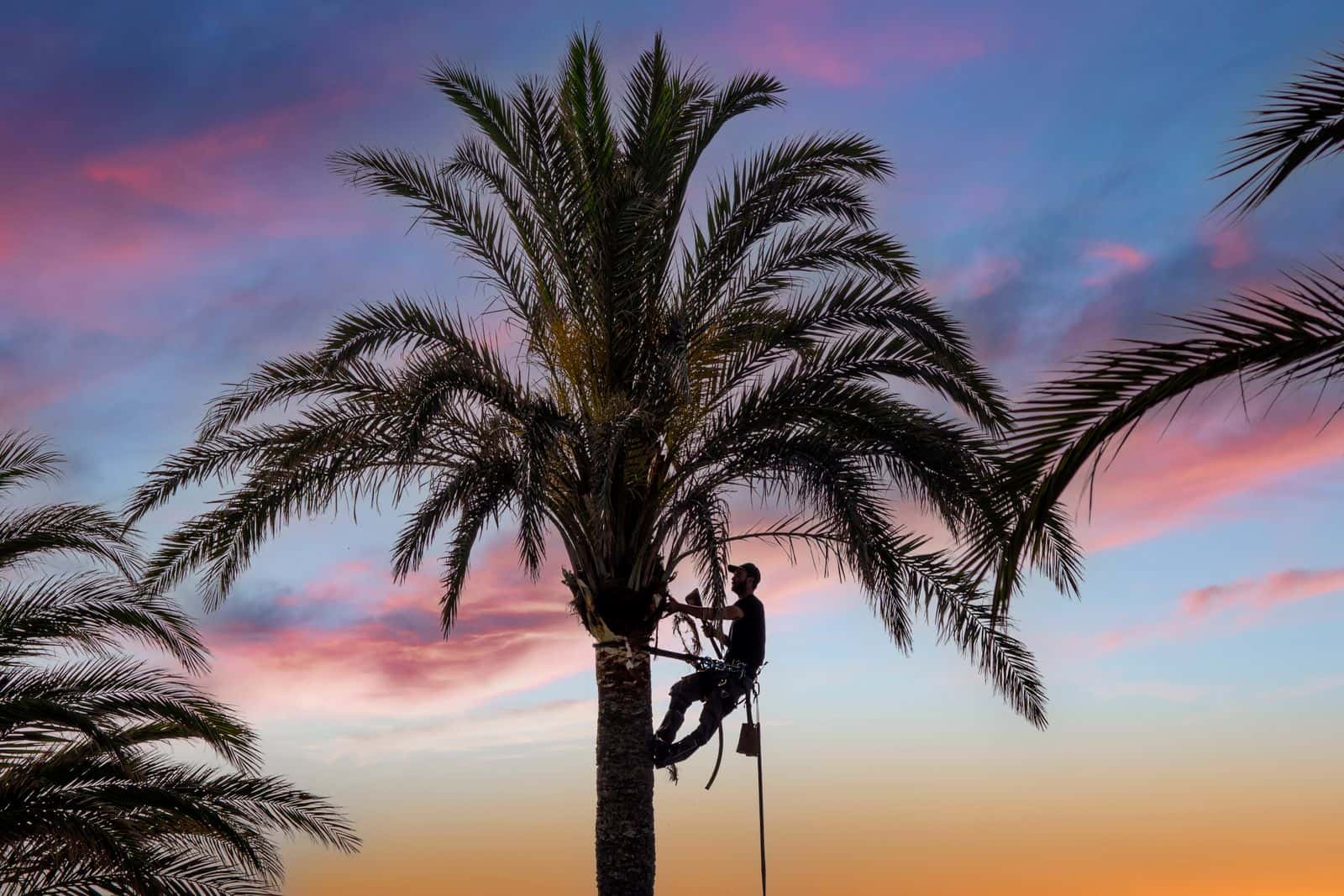
Palms are their own category. They don't need the "hurricane cut" that strips all fronds. Over-pruned palms are actually weaker. Remove dead and fully yellow fronds, plus fruit and flower stalks near structures, and leave the green head intact.
Reviewed and updated
Why Florida trees fail: storms, sand and short-lived oaks
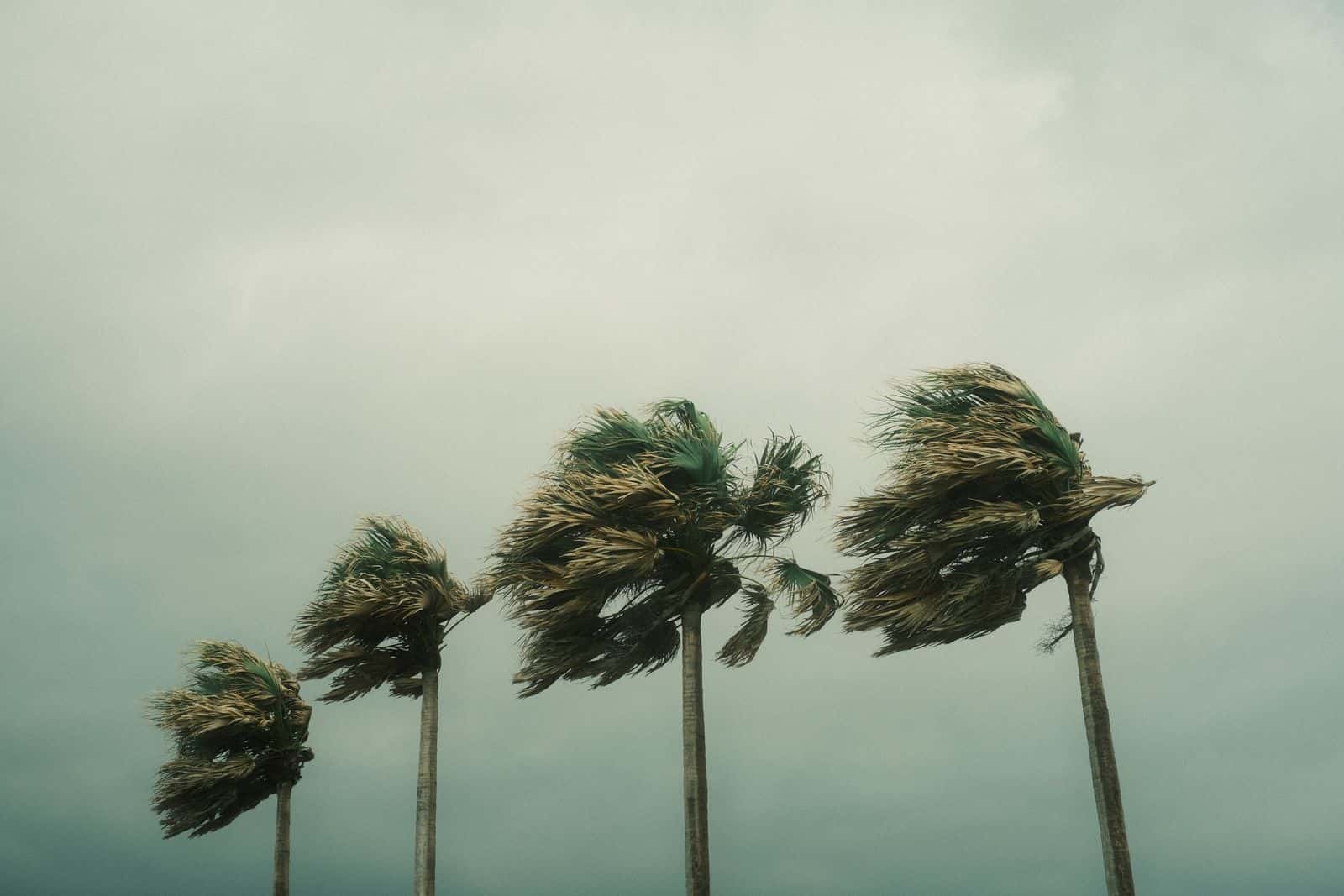
Hurricanes and tropical storms
Ian (2022), Idalia (2023), and Helene and Milton (2024) all caused widespread tree failures across the peninsula and panhandle.
Saturated sandy soils
Heavy rain before or during a storm lets whole trees tip over at the root plate.
Short-lived oaks
Laurel oaks, planted heavily in mid-century subdivisions, are often decaying at 50–70 years and fail frequently.
Lightning
Florida has among the highest lightning rates in the country. Struck trees may die slowly over months.
Invasive species
Species like Brazilian pepper, melaleuca and Australian pine are invasive and often exempt from local protections.
Florida's state law that overrides some local permits
- Florida Statute 163.045: a local government may not require a notice, permit, fee or mitigation to prune, trim or remove a tree on residential property (a single-family detached home) if the owner has documentation from an ISA Certified Arborist or Florida licensed landscape architect that the tree poses an unacceptable risk to persons or property.
- Without that documentation, local rules apply. Miami-Dade County requires tree removal permits under Chapter 24, with exemptions for certain single-family yard trees.
- Tampa requires permits for removal of most trees 5 inches DBH and larger, and grand trees (32 inches and larger) face extra review.
- Orlando regulates trees 6 inches DBH and larger, subject to the state exemption.
Sources (checked 2026-10-01)
Rules change and details depend on your exact property. Confirm with the city or county before work starts. This isn't legal advice.
Panhandle, Central Florida and South Florida are different tree problems
- The Panhandle has more pines and hardwoods than palms. Hurricane Michael in 2018 showed what a major storm does there: whole pine stands snapped around Panama City.
- Central Florida, from Orlando to Tampa, is laurel oak country, with aging oaks, frequent lightning and storms that arrive weaker but wetter.
- South Florida's canopy is tropical: palms, ficus, mahogany and gumbo limbo on thin soil over limestone, with county permit systems like Miami-Dade's.
- Northeast Florida around Jacksonville sees nor'easters as well as tropical storms, on sandy, wet soil.
Florida city guides
Palms, hurricane pruning and Miami-Dade's Chapter 24 permits.
Strict permit thresholds and recovery from Helene and Milton.
Aging laurel oaks and inland tropical storms.
Single-family exemptions, laurel oaks and nor'easters.
Canal lots, mangrove trimming rules and city permit thresholds.
Palms, live oaks, laurel oaks and pines in Florida
- Live oak
- Among the most wind-resistant large trees; often protected at larger sizes
- Laurel oak
- Fast-growing, short-lived and failure-prone as it ages
- Sabal (cabbage) palm
- State tree; very wind-resistant when not over-pruned
- Queen palm
- Common in yards; weak in wind and prone to nutrient deficiencies
- Slash and sand pine
- Pine beetle and storm risks, especially sand pine
- Mahogany and gumbo limbo
- South Florida; gumbo limbo is wind-resistant, mahogany limbs can break
Florida's hurricane-season timing
- Dec–May (dry season)
- Best window for structural pruning and planned removals before storm season
- June 1–Nov 30
- Hurricane season; prune dead wood and hangers early; crews are scarce after storms
- Aug–Oct
- Peak hurricane activity; secure or remove failing trees before this if possible
Florida tree services by risk
Hurricane and tropical storm cleanup statewide.
The arborist documentation that triggers the state hazard exemption.
Palm and canopy pruning before June, without the "hurricane cut".
Decaying laurel and water oaks near houses.
Florida questions: permits, palms and pruning
Can I remove a tree in Florida without a permit?
On a single-family residential lot, yes, if an ISA Certified Arborist or Florida licensed landscape architect documents in writing that the tree poses an unacceptable risk (Florida Statute 163.045). Keep that documentation. Otherwise, your city or county rules decide.
Should I cut palm fronds before a hurricane?
Only dead or fully yellow fronds, and fruit or flower stalks. Stripping green fronds (the "hurricane cut") weakens the palm and doesn't make it safer.
When should I trim trees in Florida?
Ideally in the dry season, roughly December through May, before hurricane season. Crews book up fast once a storm is forecast, and immediately afterward.
Need tree help in Florida?
Call to speak with a local tree-service provider about removal, trimming, stumps or storm damage. Describe the tree and what it's near, and they'll explain the next step.