Midwest region
Tree removal and tree care in Minnesota
In Minnesota, emerald ash borer is the defining tree issue. It has killed or threatened a huge share of the ash trees planted in cities after Dutch elm disease. Add heavy snow, ice and summer straight-line winds, and many removals are either dying ash or storm damage. Boulevard trees between the curb and sidewalk usually belong to the city.
City guides in Minnesota
Emerald ash borer was first found in Minnesota in St. Paul in 2009. Infested ash die within a few years and become brittle quickly, which makes them dangerous for climbers. Many cities remove ash proactively, and homeowners with valuable ash can choose trunk-injection treatments, applied on a regular cycle, as an alternative.
Winter is prime removal season here. Frozen ground supports heavy equipment with less lawn damage, and dormant trees don't spread diseases like oak wilt through pruning wounds. Minnesota's own oak wilt guidance says to avoid pruning oaks in spring and early summer.
Reviewed and updated
Ash borer, wind and snow in Minnesota
Emerald ash borer
Kills untreated ash; dead ash become brittle and hazardous within a couple of years.
Straight-line winds and derechos
Summer thunderstorm complexes can flatten trees across wide areas.
Snow and ice loads
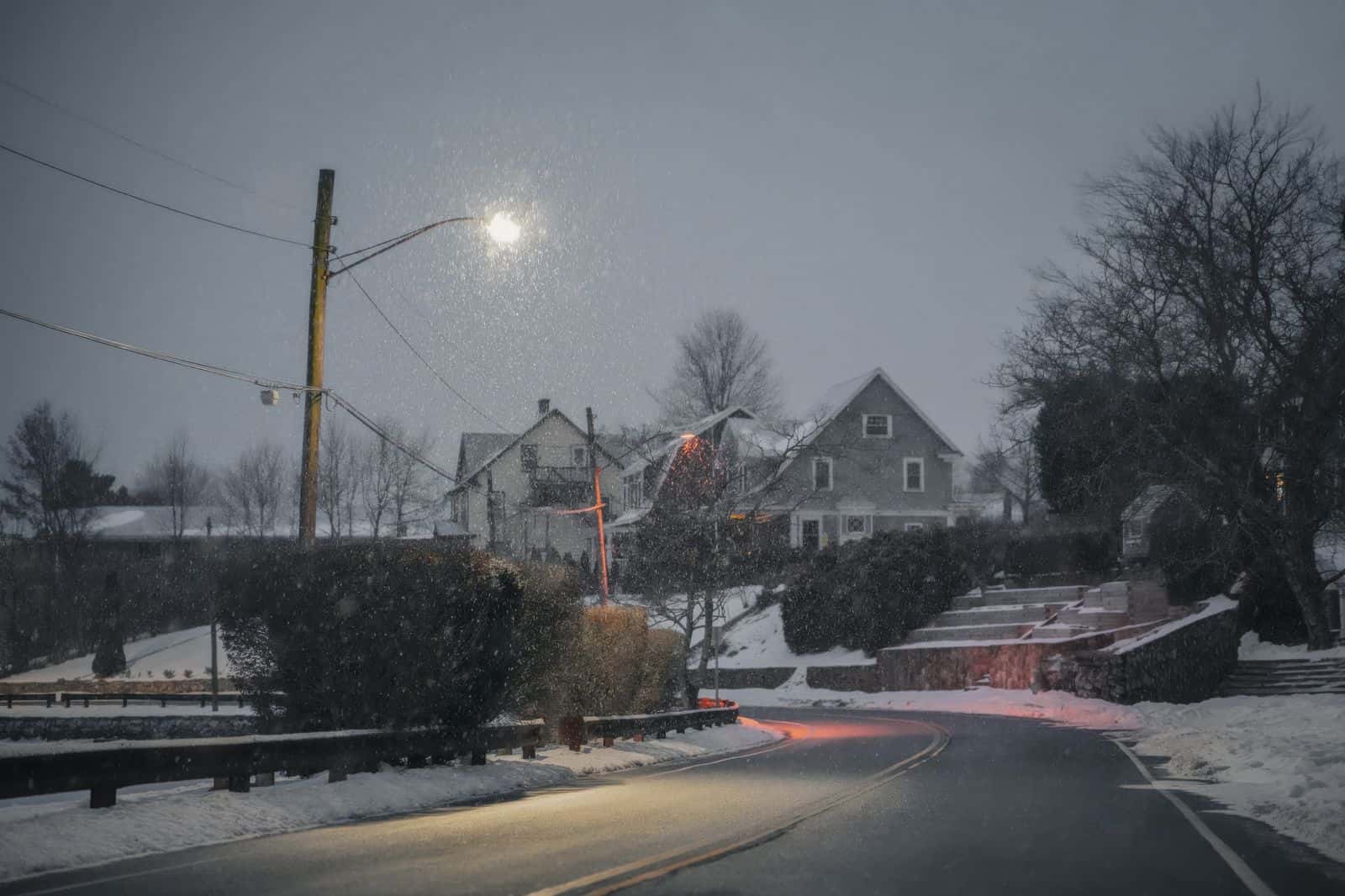
Wet spring or fall snow on leafed-out trees causes major breakage.
Oak wilt
Present in the Twin Cities area and much of central and southeast Minnesota.
Dutch elm disease
Still killing remaining American elms.
Minnesota's ash, maples, oaks and elms
- Green and white ash
- Widely planted; lethal EAB risk unless treated
- Silver maple
- Large, fast-growing, weak-wooded; storm breakage
- Bur and red oak
- Long-lived; red oaks very susceptible to oak wilt
- American elm
- Remaining trees threatened by Dutch elm disease
- Spruce and pine
- Snow load and needle diseases
Why Minnesota tree work follows the seasons
- Nov–Mar
- Prime removal season: frozen ground, dormant trees, crews available
- April–July
- Avoid pruning oaks (oak wilt); spring snow on leafed trees
- Summer
- Severe storms and straight-line winds
Twin Cities, farm country and the north woods
- In Minneapolis, St. Paul and the suburbs, boulevard trees belong to the city, ash removal and replacement dominate, and summer storms bring the emergencies.
- In southern and western Minnesota farm country, windbreaks and shelterbelts age out and take the brunt of straight-line winds.
- In the north woods, spruce, pine and birch carry heavy snow, and storm cleanup often means many trees at once around a cabin or rural home.
Who controls Minnesota's boulevard trees
- Minneapolis: boulevard trees (between curb and sidewalk) are owned and maintained by the Minneapolis Park and Recreation Board. Residents may not remove them, and significant work requires MPRB permission.
- The MPRB can also condemn diseased or hazardous private trees (such as those infested with EAB or Dutch elm disease) and order their removal.
Sources (checked 2026-10-01)
Rules change and details depend on your exact property. Confirm with the city or county before work starts. This isn't legal advice.
Minnesota city guides
Minneapolis has three guides: the city overview, dead ash removal and winter emergencies. St. Paul and the inner-ring suburbs share the same emerald ash borer pressure, while northern Minnesota's issues are storms in forested lots and heavy snow.
Park Board boulevard trees, ash removal and winter timing.
Minnesota services by season
Ash killed by emerald ash borer.
Straight-line wind and tornado damage.
Winter removals on frozen ground.
Dormant-season oak and elm pruning.
Minnesota tree questions
Should I treat or remove my ash tree?
Healthy, valuable ash with less than about 30% canopy loss can often be protected with trunk injections every few years. Declining ash, or ash near structures that you don't want to treat indefinitely, are usually better removed before they become brittle.
Can I bring firewood to Minnesota state parks?
Only approved firewood. The Minnesota DNR restricts firewood brought into state parks and forests because moving it spreads emerald ash borer and other pests. Buy firewood where you'll burn it, and burn ash wood locally.
Why do tree companies prefer winter in Minnesota?
Frozen ground supports heavy equipment with less lawn damage, dormant trees are less vulnerable to disease, and it's the slower season, so scheduling is easier.
Who handles a boulevard tree in a Minnesota city?
In most Minnesota cities the boulevard, meaning the strip between sidewalk and street, belongs to the city, and so do its trees. Minneapolis boulevard trees are managed by the Park and Recreation Board, and St. Paul's by its forestry office. Report problems to them rather than hiring a company to cut a boulevard tree.
Need tree help in Minnesota?
Call to speak with a local tree-service provider about removal, trimming, stumps or storm damage. Describe the tree and what it's near, and they'll explain the next step.