Northeast region
Tree removal and tree care in Connecticut
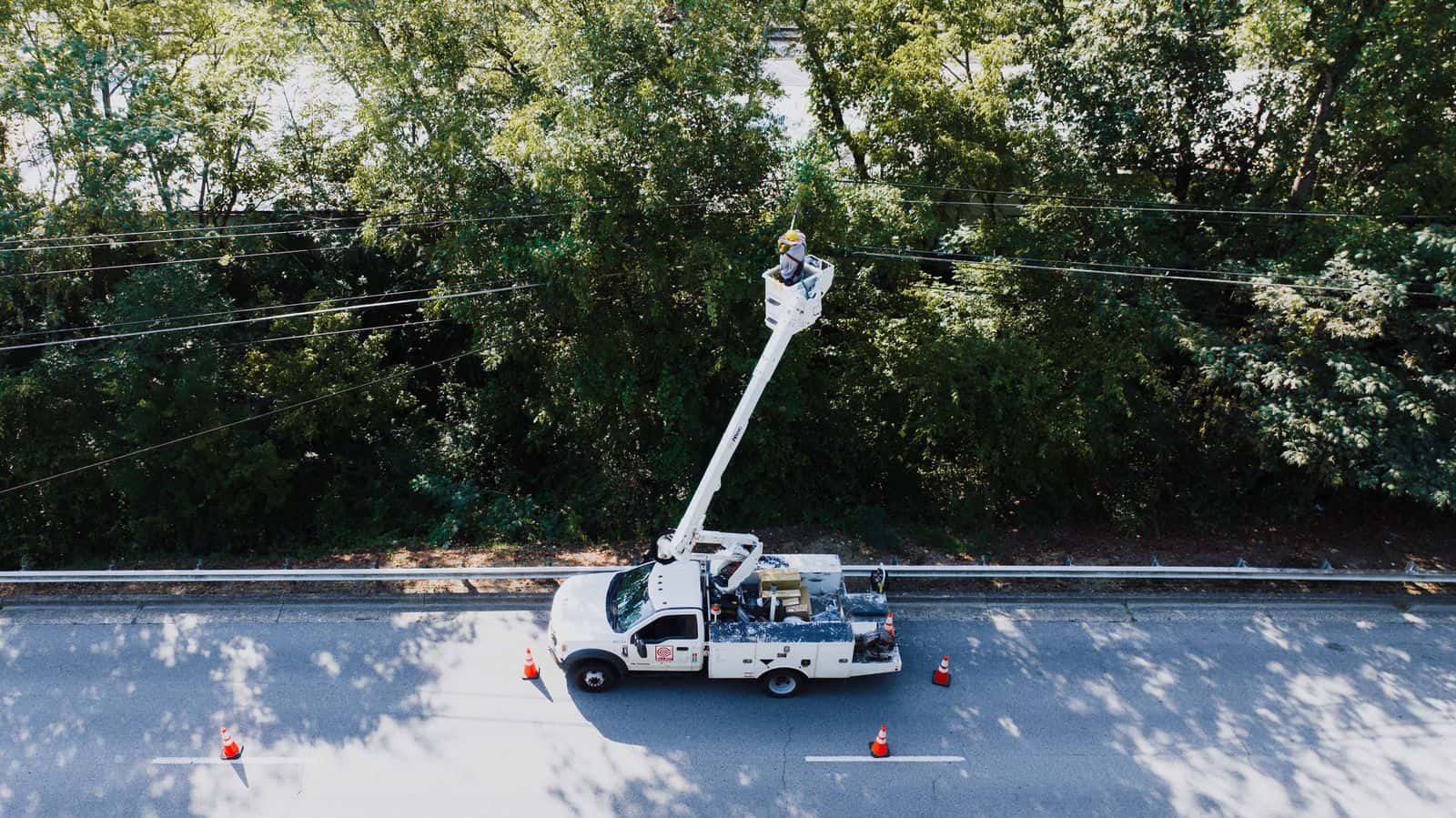
Connecticut's tree story is dominated by storms and utility lines. In 2011, Tropical Storm Irene and the October nor'easter caused outages for more than 671,000 and 831,000 customers. Utilities expanded tree trimming afterward, and Connecticut law requires adjoining property owners to approve before utility contractors prune or remove a tree, with an appeal process for disputes.
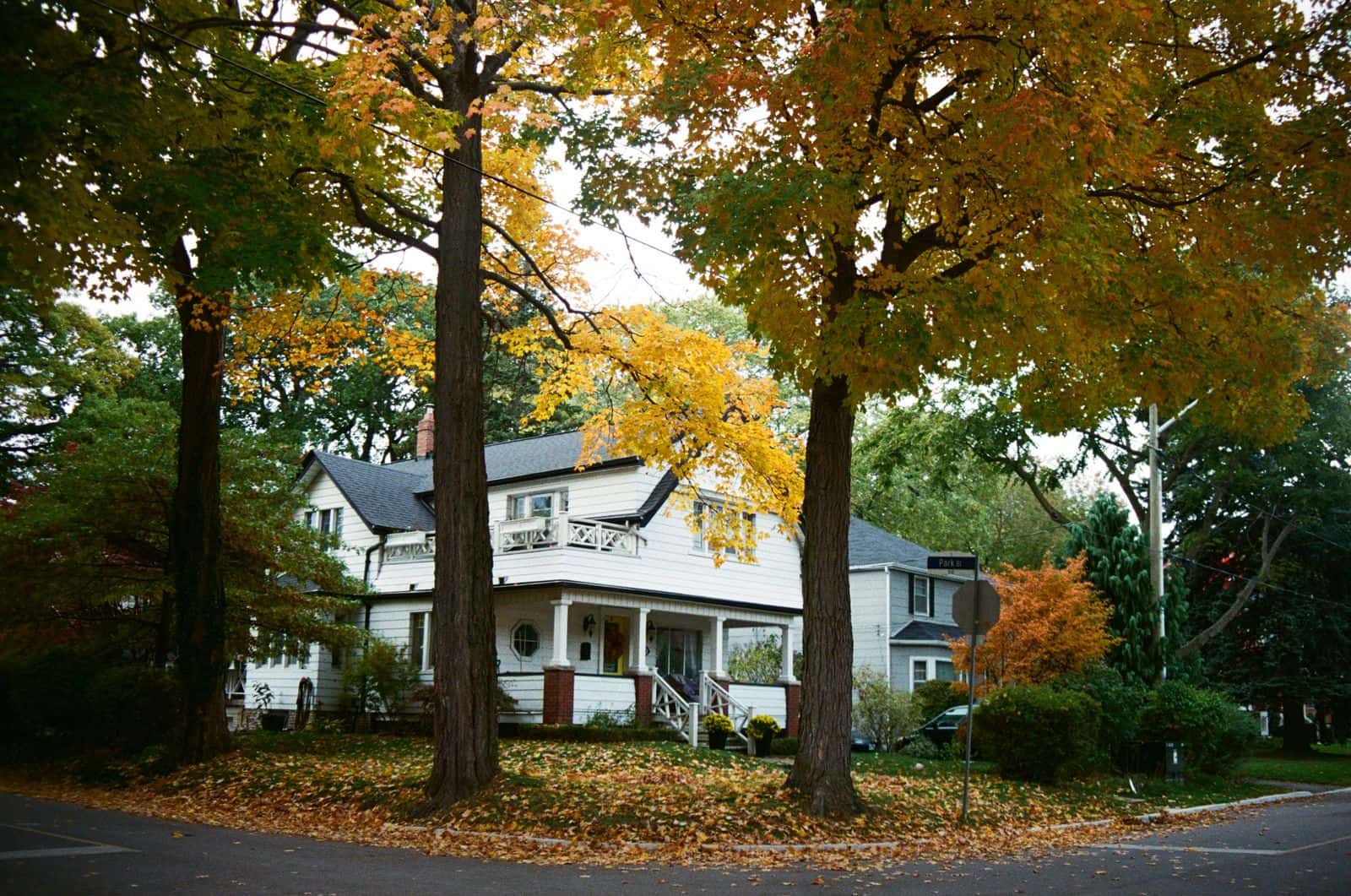
Connecticut is heavily wooded, with mature oaks, maples and other hardwoods arching over roads and lines. When Irene struck in August 2011 and an early-season nor'easter dumped heavy snow on leafed-out trees that October, trees on lines caused record outages. Utilities roughly doubled tree-trimming budgets, and a UConn study later found that enhanced tree trimming reduced storm-related outages.
Because trees along roads are so close to wires, the line between your tree and the utility's work matters. State law requires the adjoining owner's approval before a utility's contractors prune or remove a tree, with an appeal process if public safety or disputes arise.
Reviewed and updated
Storms, snow and trees over the wires
Tropical storms and nor'easters
Irene and the October 2011 nor'easter caused record outages.
Snow on leafed-out trees
Early-season snow overloads branches still carrying leaves.
Roadside trees and lines
Mature trees over roads and wires; utilities trim with owner approval.
Defoliation and drought
Caterpillar outbreaks and dry years weaken oaks.
Your tree, the utility and the law
- Connecticut law requires the adjoining property owner's approval before an electric utility's contractors prune or remove a tree, with an appeal process when public safety or disputes arise.
- After the 2011 storms, utilities expanded tree trimming, and a state vegetation management task force was formed in 2012 to develop roadside tree standards.
Sources (checked 2026-10-03)
Rules change and details depend on your exact property. Confirm with the city or county before work starts. This isn't legal advice.
Oaks, maples, pines and ash
- Red and white oak
- Big roadside and yard trees; defoliation stress
- Sugar and red maple
- Common; storm breakage
- Eastern white pine
- Tall; snow and ice loading
- Black birch and tulip tree
- Common forest trees near homes
Connecticut's storm calendar
Tropical storms arrive in late summer and early fall, nor'easters through winter, and early-season snow can hit trees still in leaf in October. Late winter is the best structural pruning window.
- Late summer–fall
- Tropical storms and early snow
- Winter
- Nor'easters, ice and snow
- Late winter
- Good pruning window
What changed after 2011
The two 2011 storms caused outages for more than 671,000 and 831,000 customers. Connecticut Light & Power nearly doubled its tree-trimming budget and planned to clear branches above, below and to the sides of wires along hundreds of miles of lines. In 2012, a state task force began developing standards for roadside tree care.
For homeowners, this means more utility trimming near roads, and a say in it: the utility needs your approval for trees on your property, with an appeal process for disputes.
Connecticut services by risk
After tropical storms and nor'easters.
For trees near houses and service drops.
For defoliated or declining oaks.
For ash killed by emerald ash borer.
For big oaks after repeated defoliation.
After removals on rocky New England lots.
Preparing Connecticut trees for storm season
- Have big oaks and maples over the house assessed for decay and weak unions.
- Reduce long limbs over roofs and the service drop.
- Remove dead ash before they fail.
- Talk to your utility about trees near primary lines rather than cutting near them.
Connecticut tree questions
Can the utility cut down my tree in Connecticut without asking?
Connecticut law requires the adjoining property owner's approval before utility contractors prune or remove a tree, with an appeal process for public safety or disputes.
Why were the 2011 storms so bad for Connecticut trees?
Irene brought wind and rain in August, and the October nor'easter dropped heavy snow on trees still in leaf, causing record outages.
Does tree trimming really reduce outages?
A UConn study found that enhanced tree trimming reduced storm-related outages.
When should I prune trees in Connecticut?
Late winter, before leaf-out, for structural work.
Who handles a tree on a power line in Connecticut?
Your electric utility (Eversource or United Illuminating), and 911 for sparks or fire.
Is emerald ash borer in Connecticut?
Yes. Untreated ash decline and become brittle.
Need tree help in Connecticut?
Call to speak with a local tree-service provider about removal, trimming, stumps or storm damage. Describe the tree and what it's near, and they'll explain the next step.