Tree services
Tree services across the USA
Tree work falls into a few groups: taking trees down, keeping them healthy and safe, and dealing with stumps. Each page explains when the service is the right call, how professionals do it, what drives the price, and what you can safely do yourself.
By calling, you agree that your call may be recorded and routed to an independent local tree-service provider, who may call or text you back about your request. Calling is free and does not obligate you to hire anyone. See our Privacy Policy.
- Tree Removal
- Emergency Tree Removal
- Storm Damage Tree Removal
- Tree Trimming & Pruning
- Stump Grinding & Removal
- Dead Tree Removal
- Hazardous Tree Removal
- Large Tree Removal
- Tree Risk Assessment
- Commercial Tree Services
- Land Clearing
- Stump Removal
- Tree Cutting
- Palm Tree Removal
- Oak Tree Removal
- Pine Tree Removal
- Emergency Tree Trimming
- Emergency Tree Cutting
Tree on a house, car or power line? Get clear of it. Call 911 for injuries or downed lines, and your utility for any tree touching wires.
Emergency stepsTree removal
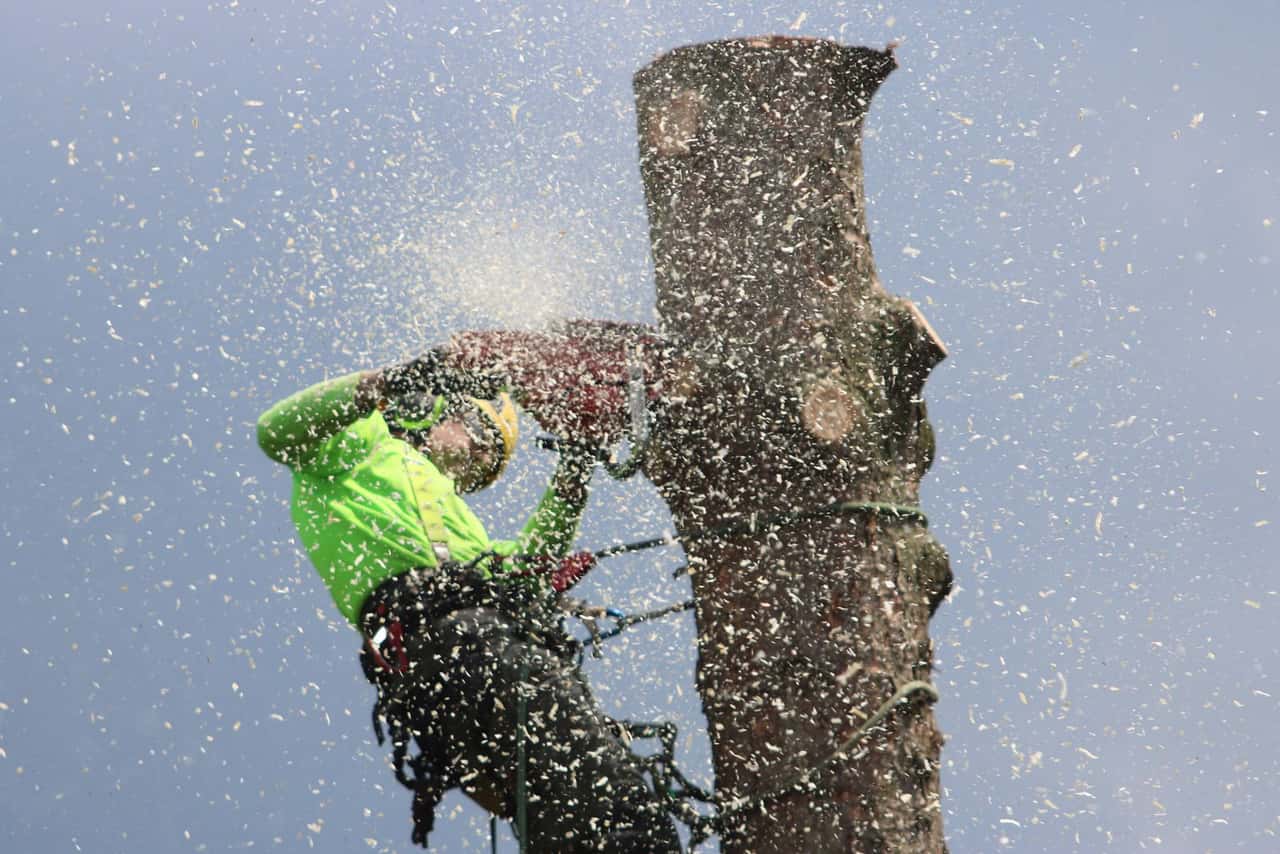
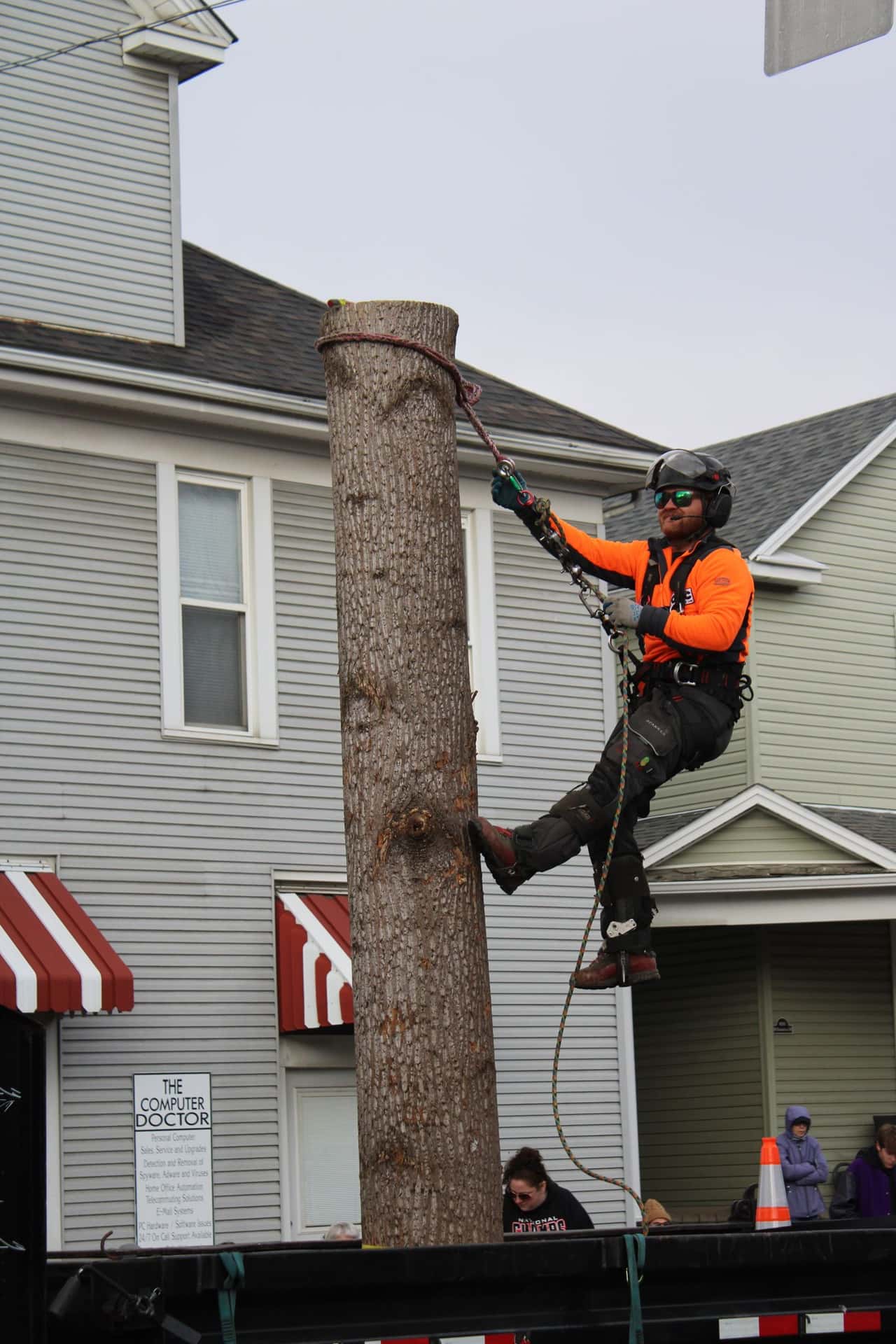
Taking a tree down safely, in pieces when space is tight.
Tree Removal
Tree removal is cutting down a tree and hauling it away.
Emergency Tree Removal
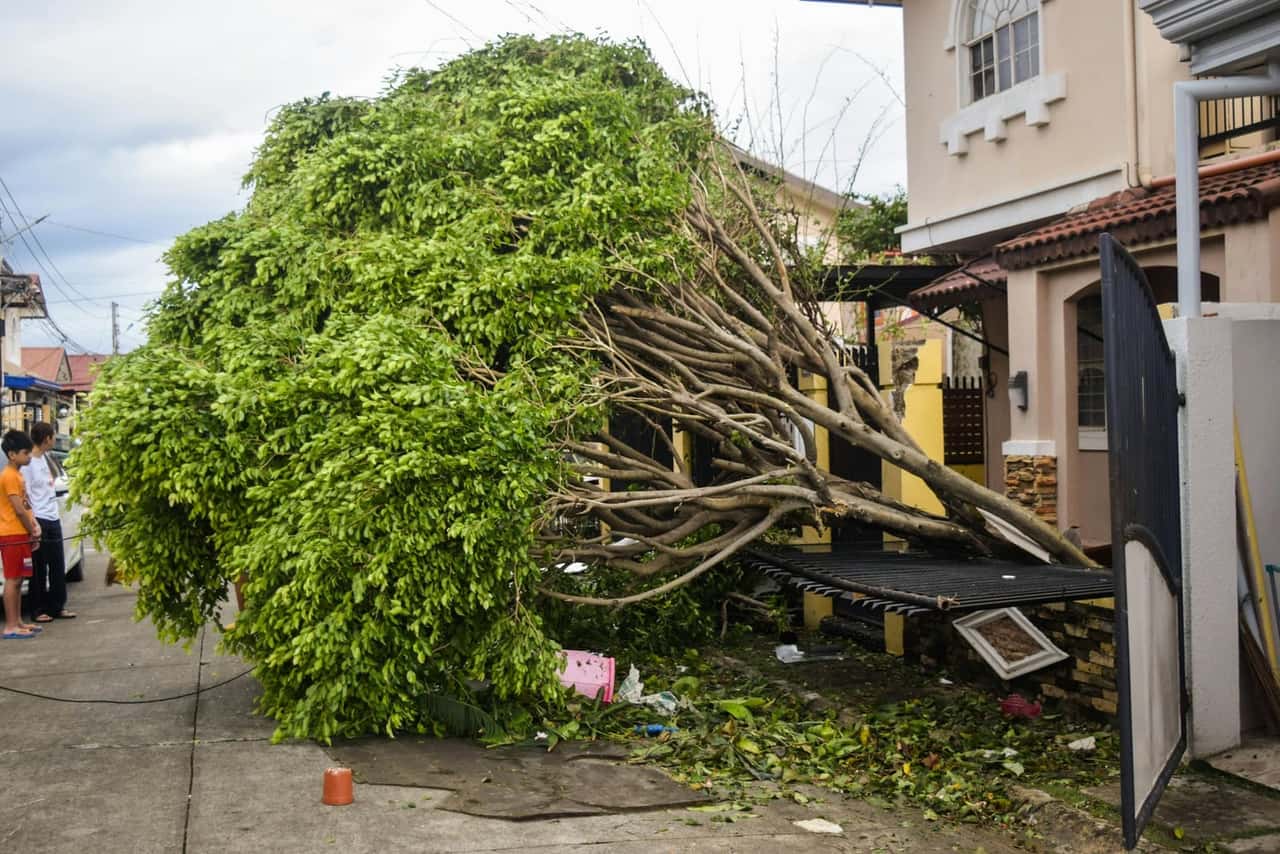
If a tree is on your house, across power lines or blocking an exit, get everyone out of the affected area first.
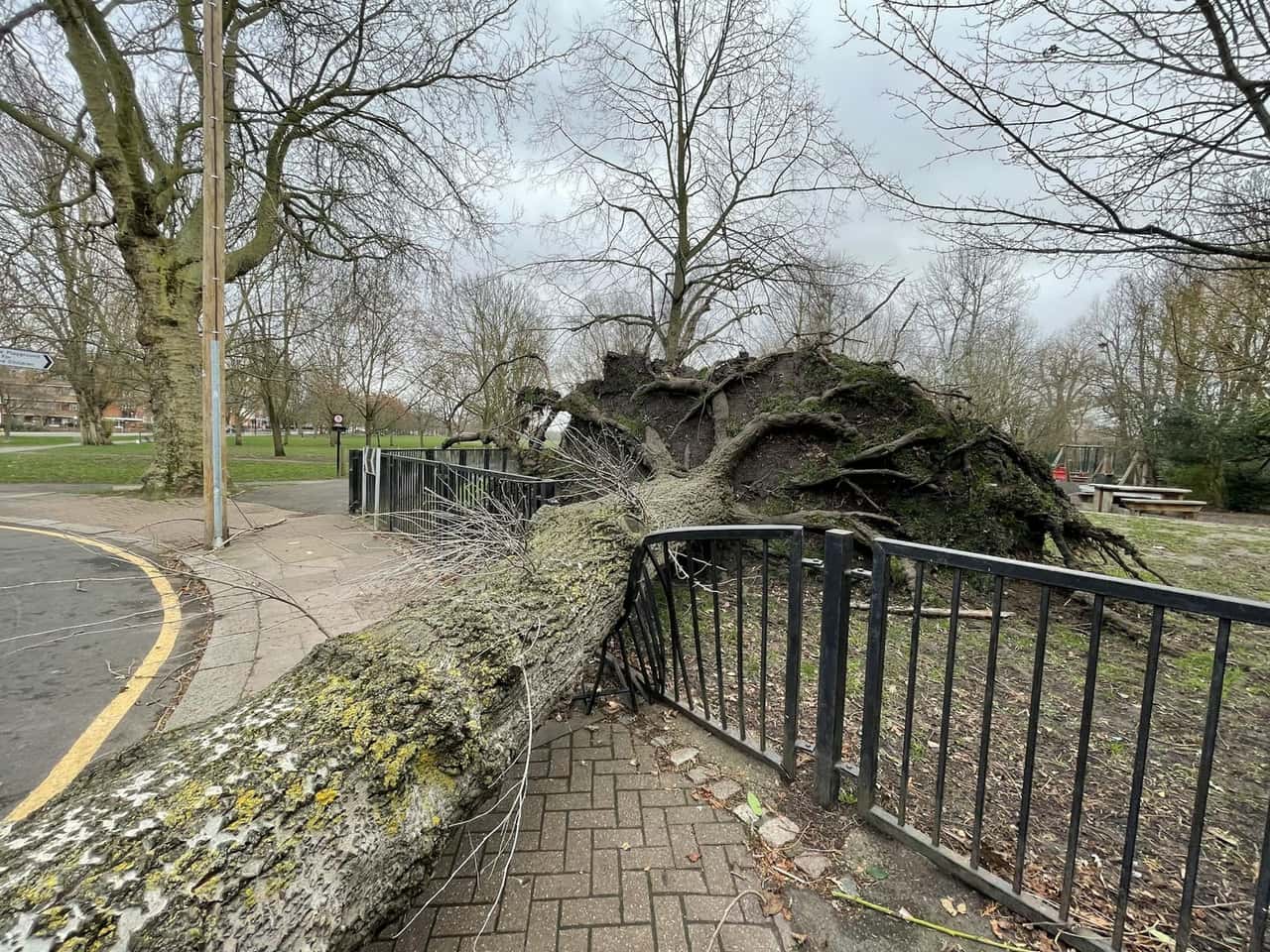
Storm Damage Tree Removal
After a storm, the job is to sort trees into three groups: down and needing removal, damaged but savable with pruning, and standing but newly dangerous.
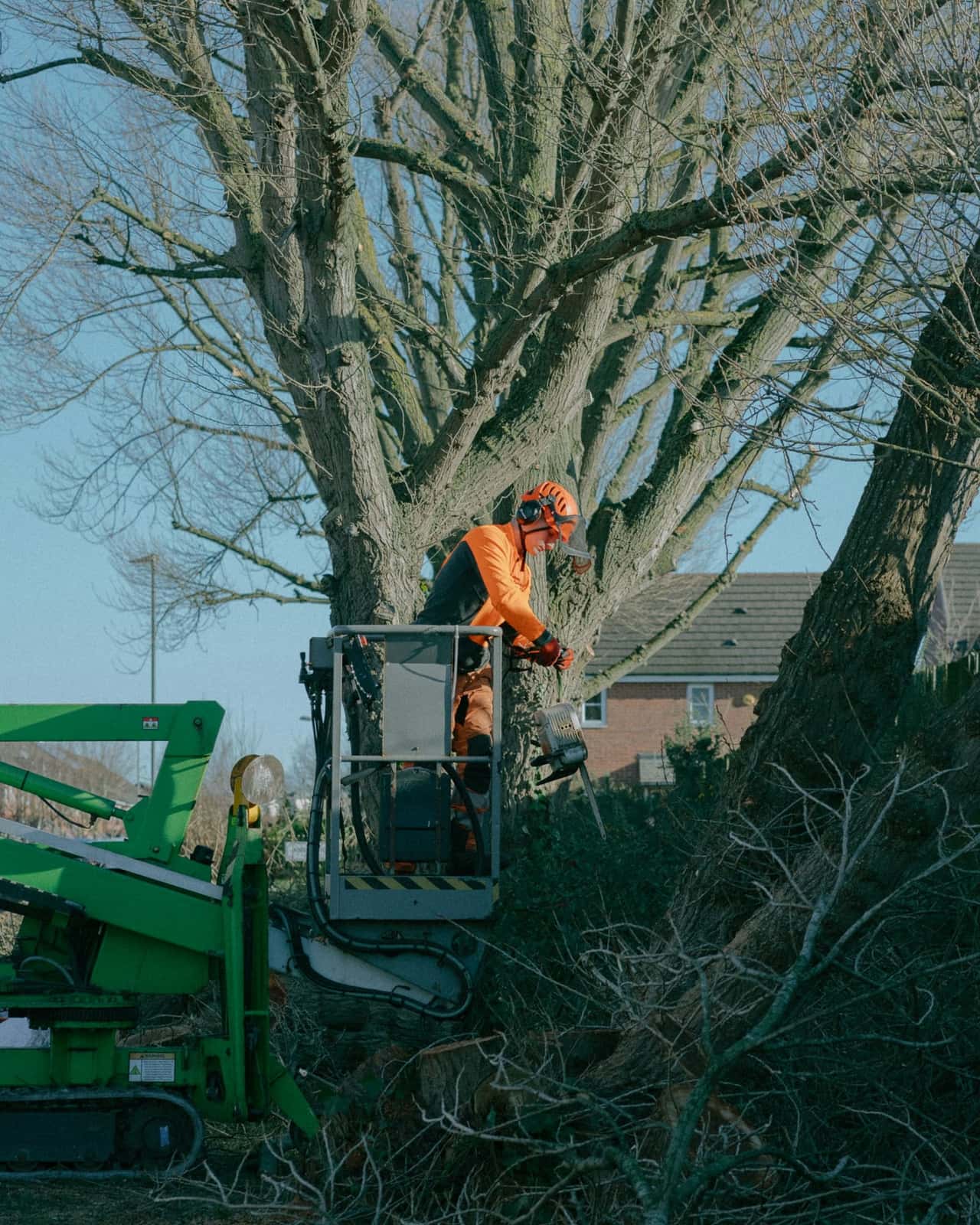
Dead Tree Removal
A dead tree should be removed if it could hit anything when it falls, such as a house, driveway, road, fence or play area.
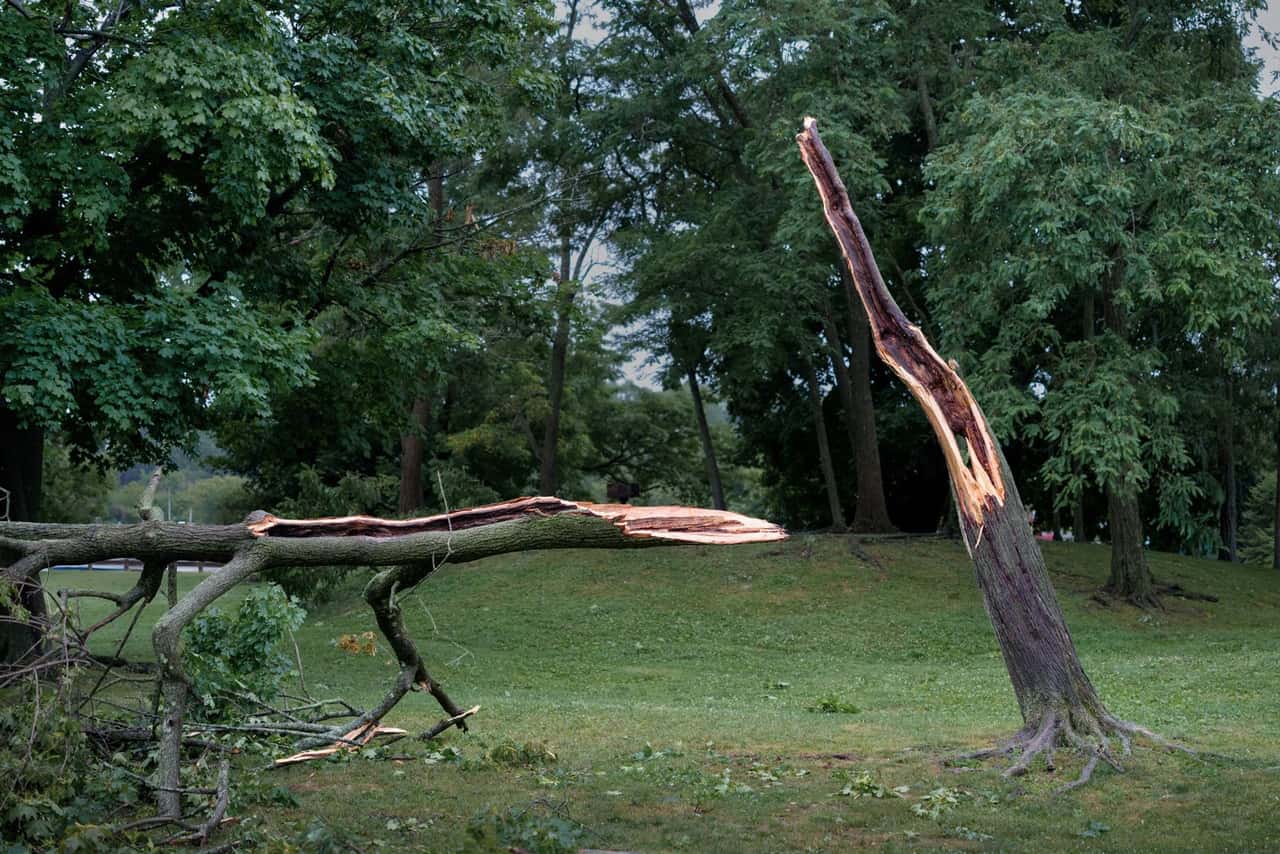
Hazardous Tree Removal
A hazardous tree is a living tree with a defect, such as a crack, decay, a failing root plate or a new lean, that makes it likely to fail onto something that matters: a house, a driveway, a street or a place people use.
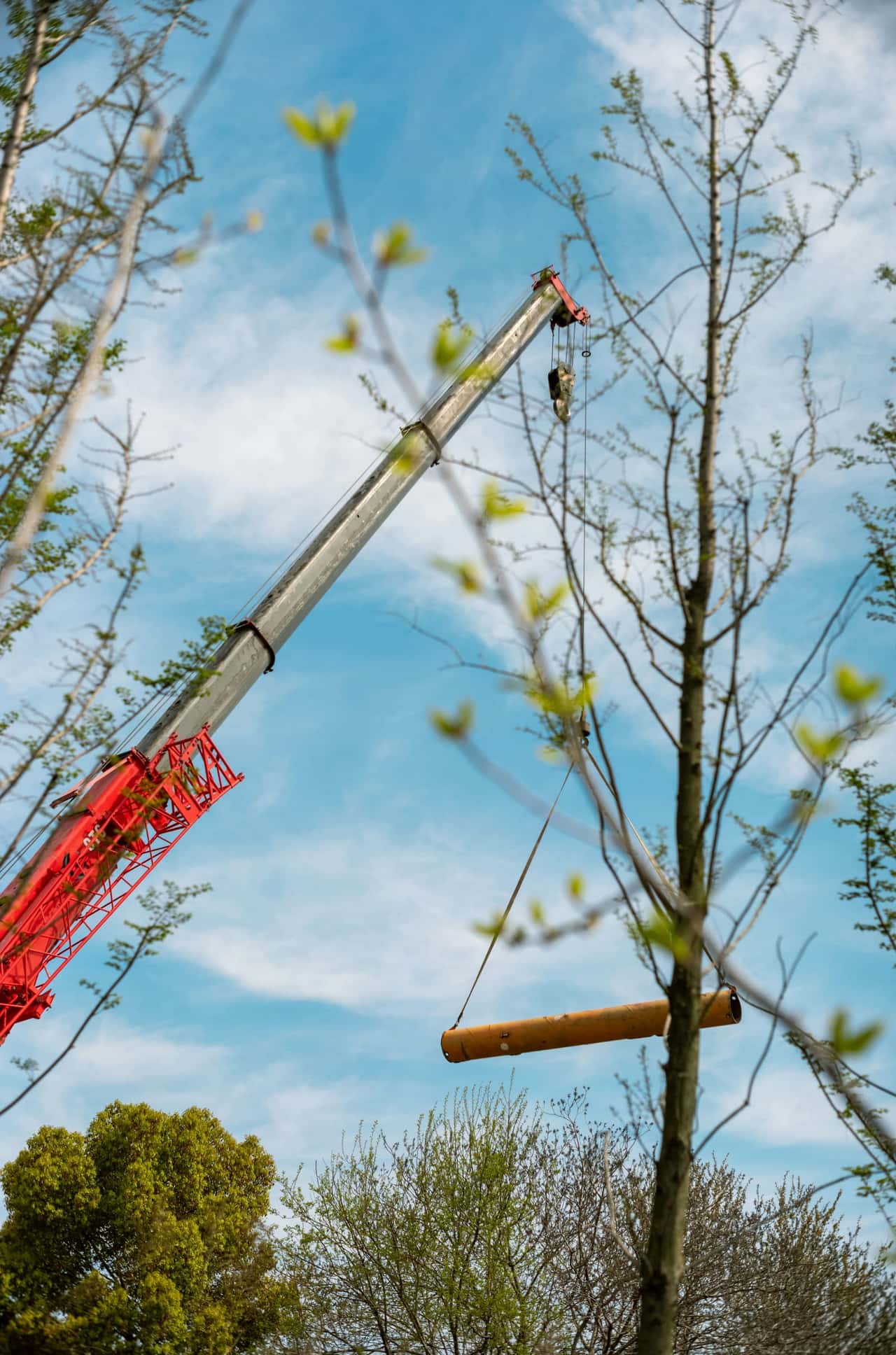
Large Tree Removal
Large trees near buildings are removed in sections that are either lowered on ropes through rigging points in the tree or lifted out by a crane.
Tree Cutting
Tree cutting is the work of bringing a tree down safely.
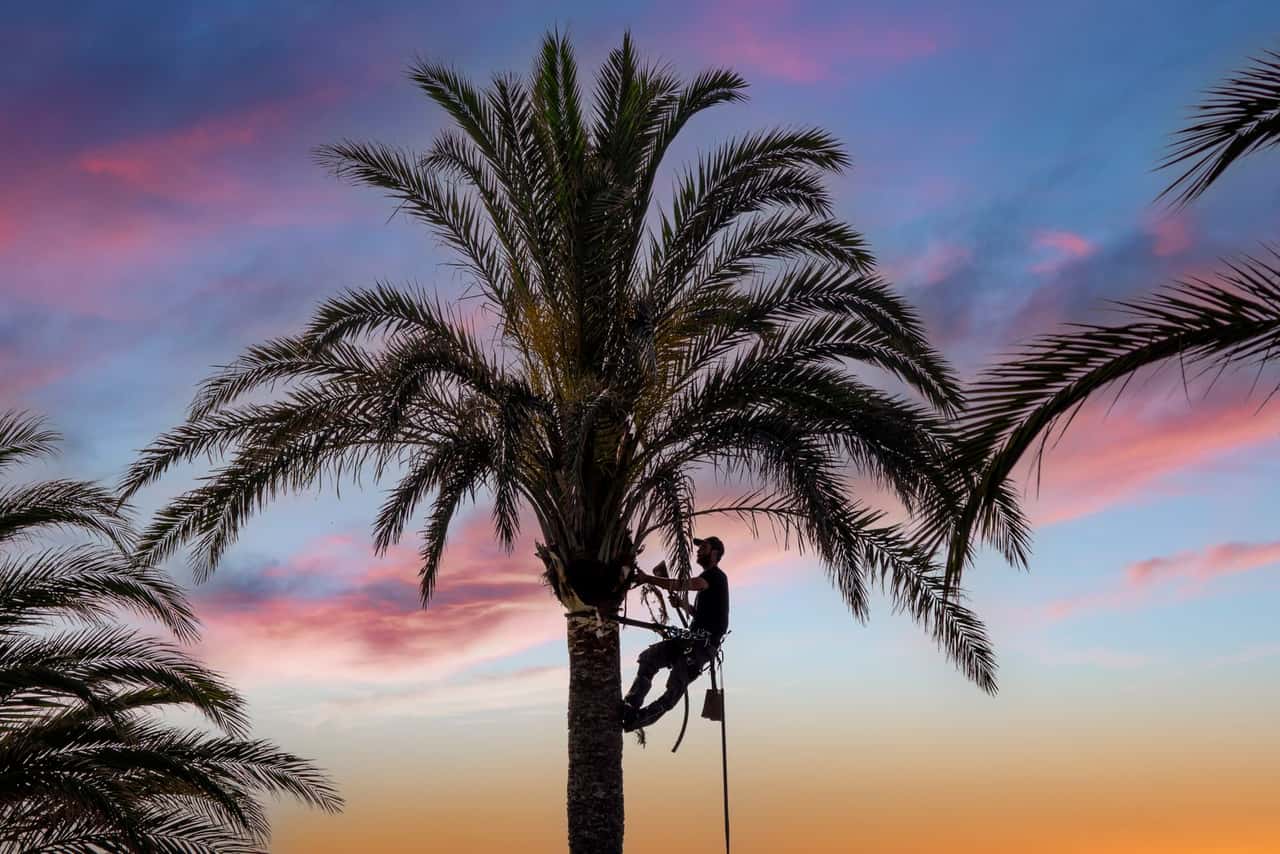
Palm Tree Removal
Palms are removed differently from hardwood trees.
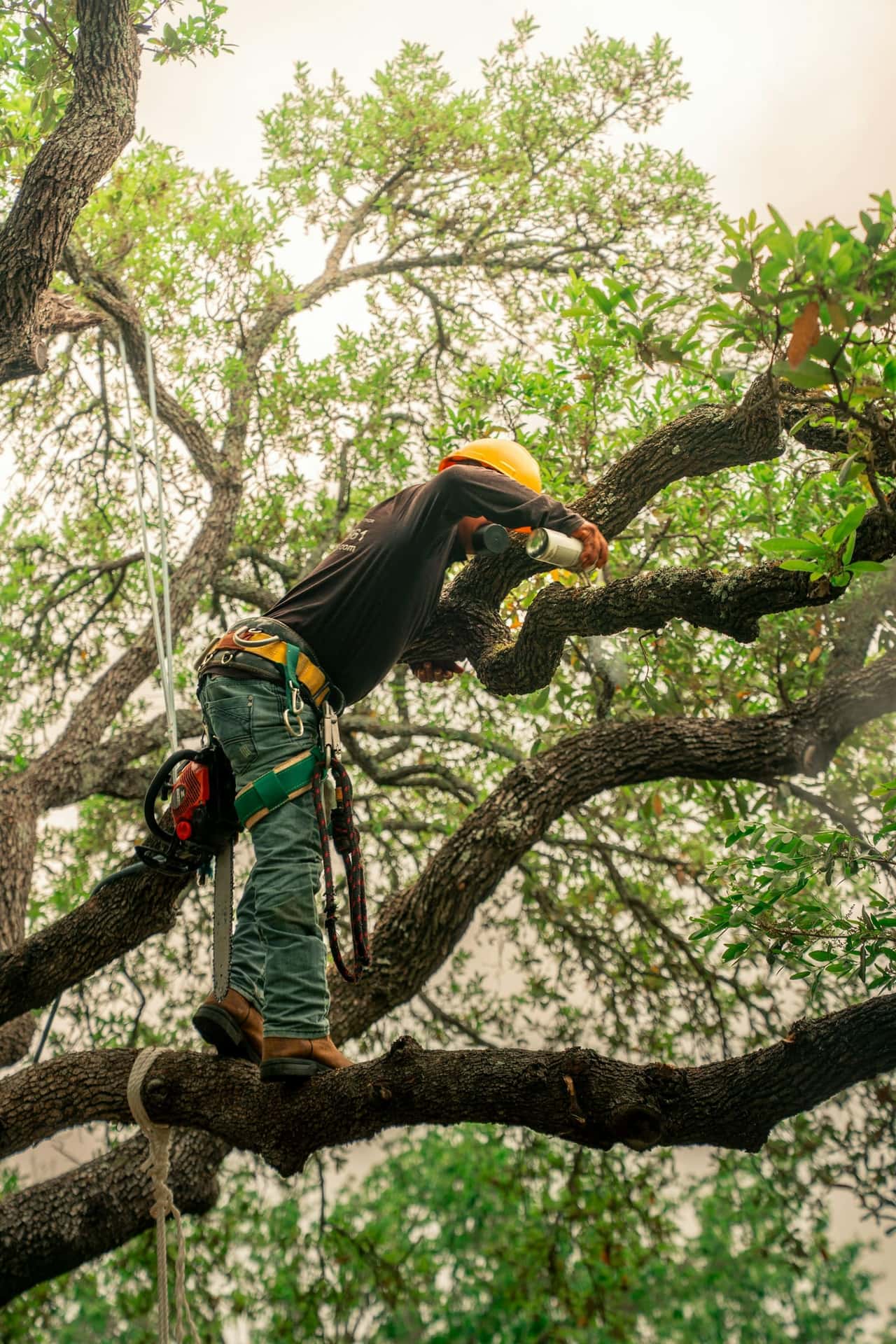
Oak Tree Removal
Removing an oak usually involves more rules and more rigging than other trees.
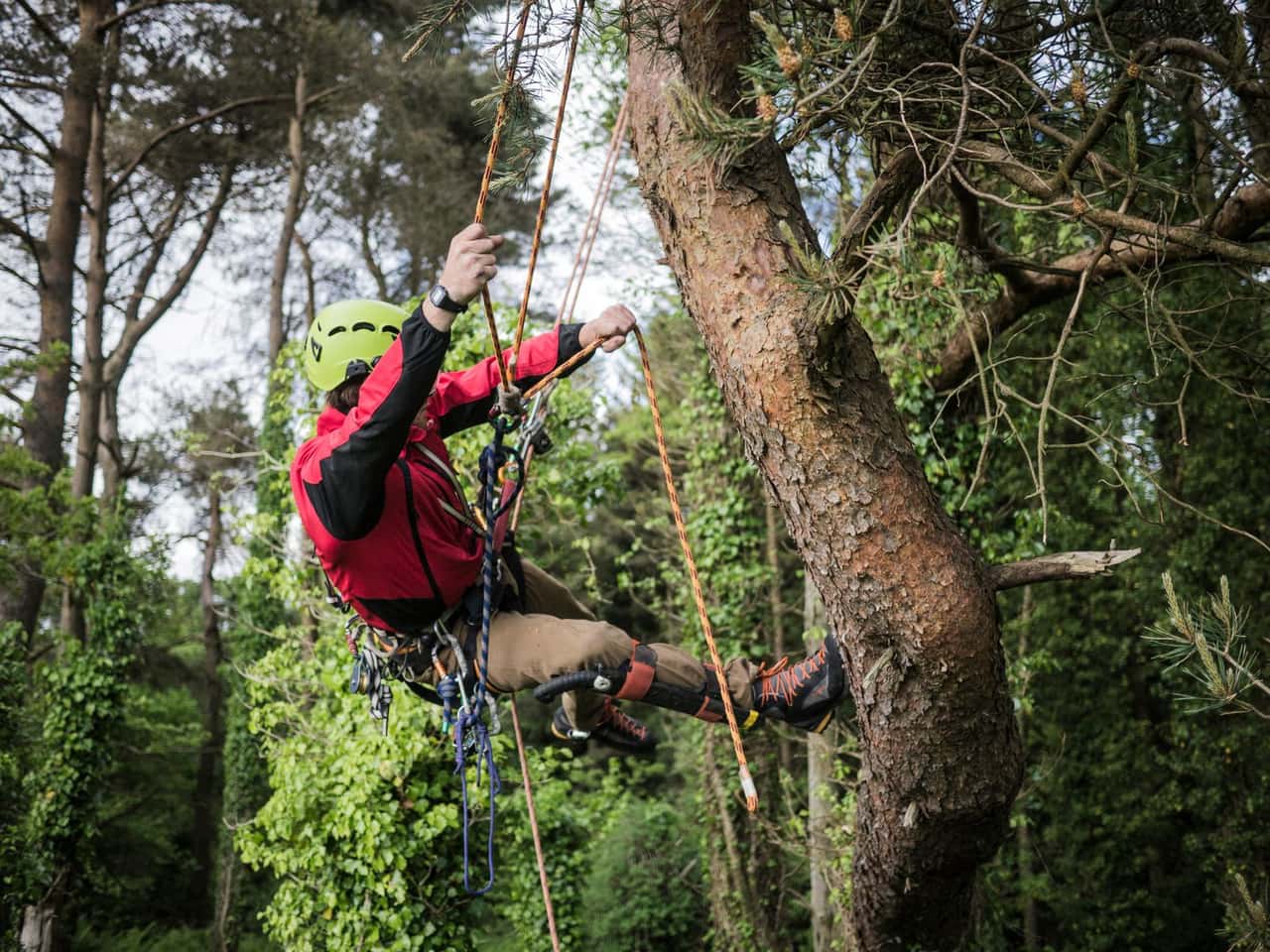
Pine Tree Removal
Pines are often removed because they grow very tall near houses, snap or uproot in storms, or are killed by bark beetles or pine wilt.
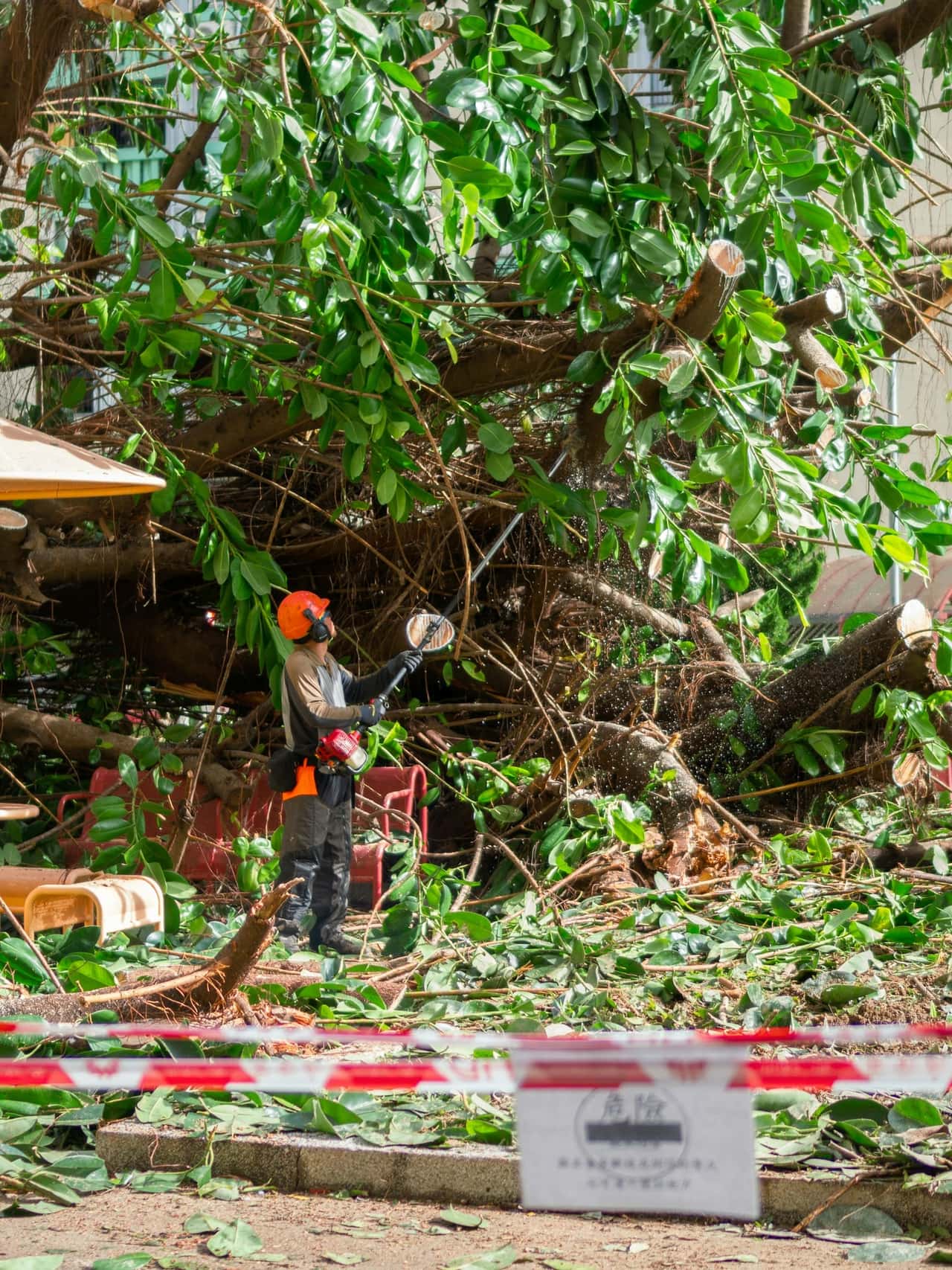
Emergency Tree Cutting
Emergency tree cutting frees what a fallen tree has trapped or blocked: a car, a driveway, a fence, a doorway or a road.
Tree care
Pruning, clearance and inspections that keep a tree standing.
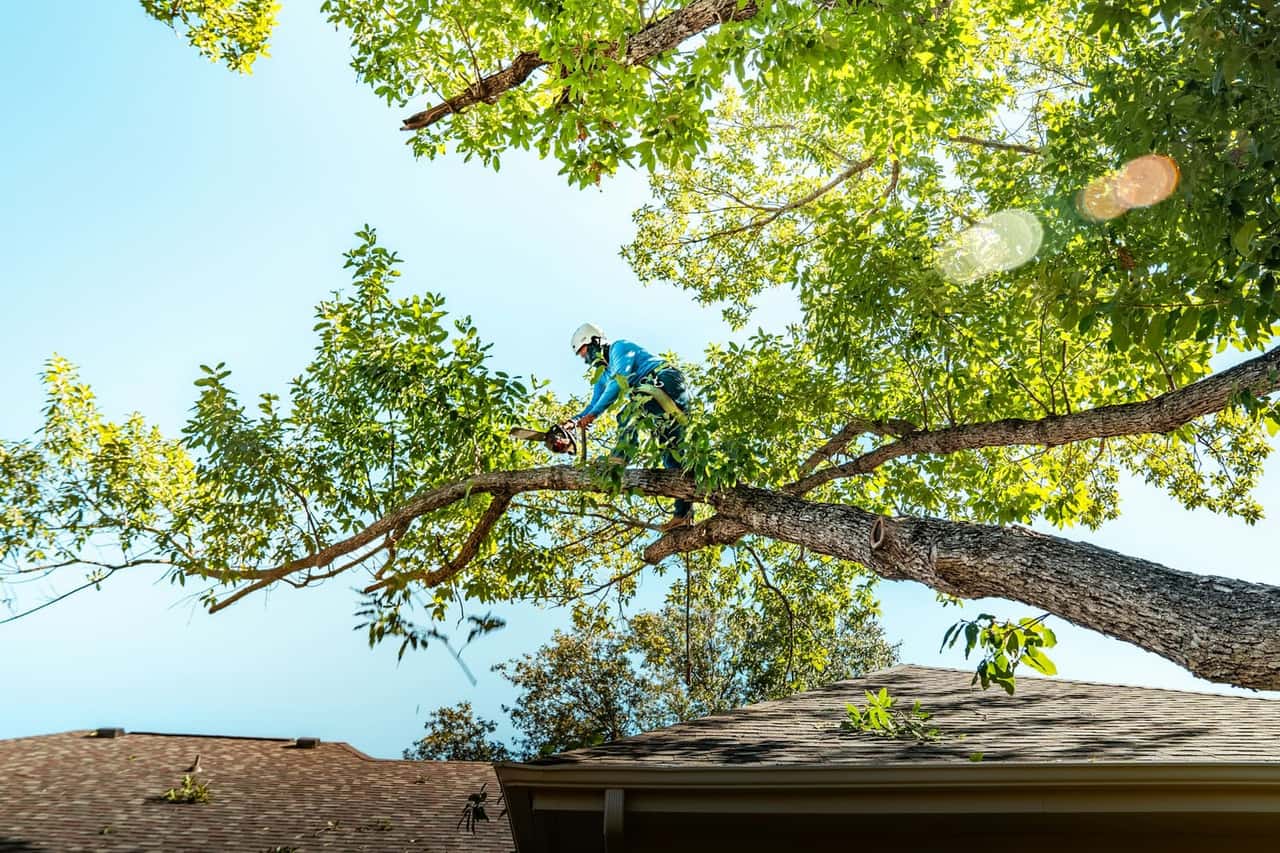
Tree Trimming & Pruning
Tree trimming (or pruning) is selectively removing branches to make a tree safer, clear it from structures, or improve its health and shape.
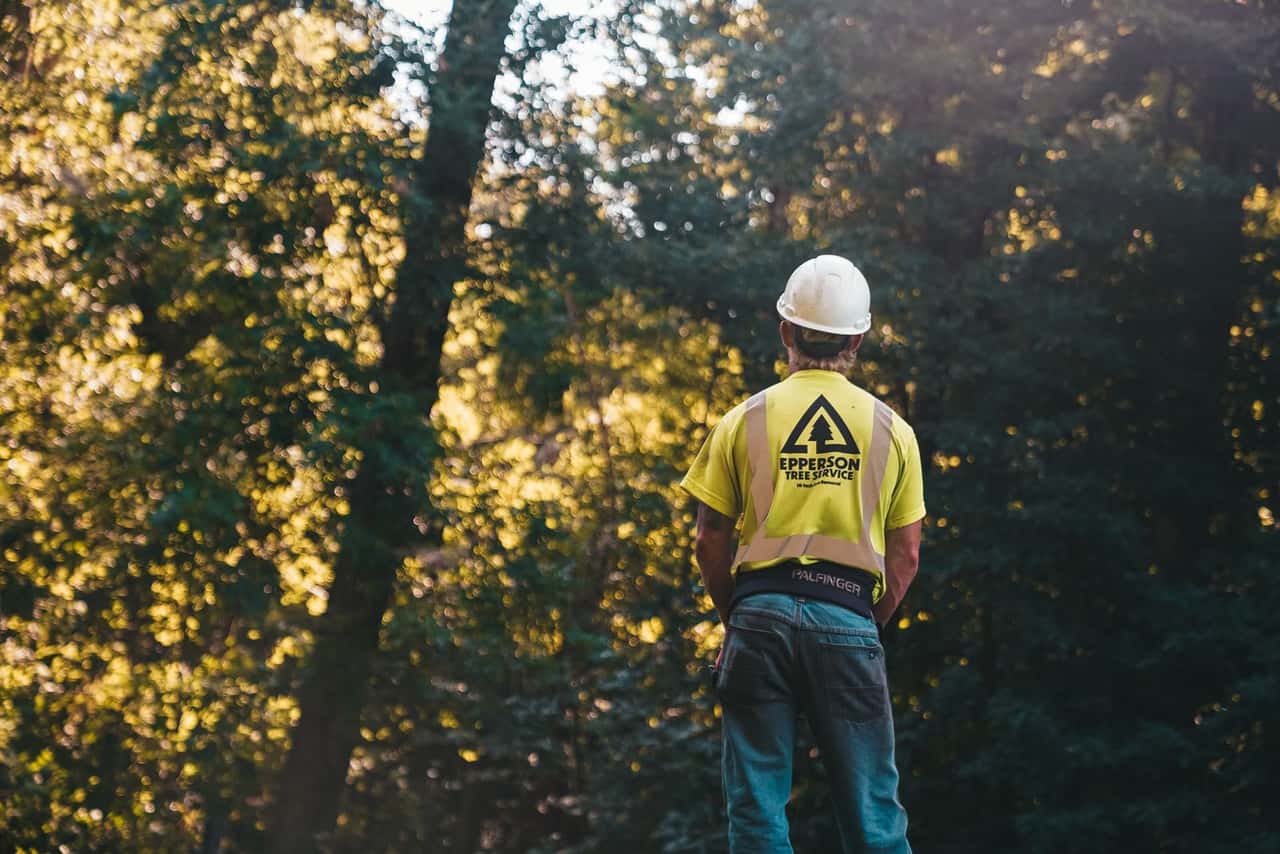
Tree Risk Assessment
A tree risk assessment is an arborist's evaluation of how likely a tree (or part of it) is to fail, what it would hit, and how bad the consequences would be.
Emergency Tree Trimming
Emergency tree trimming removes limbs that are broken, hanging or cracked over a roof, driveway, walkway or road before they fall, while the rest of the tree stays.
Stump services
Grinding or removing what's left after the tree comes down.
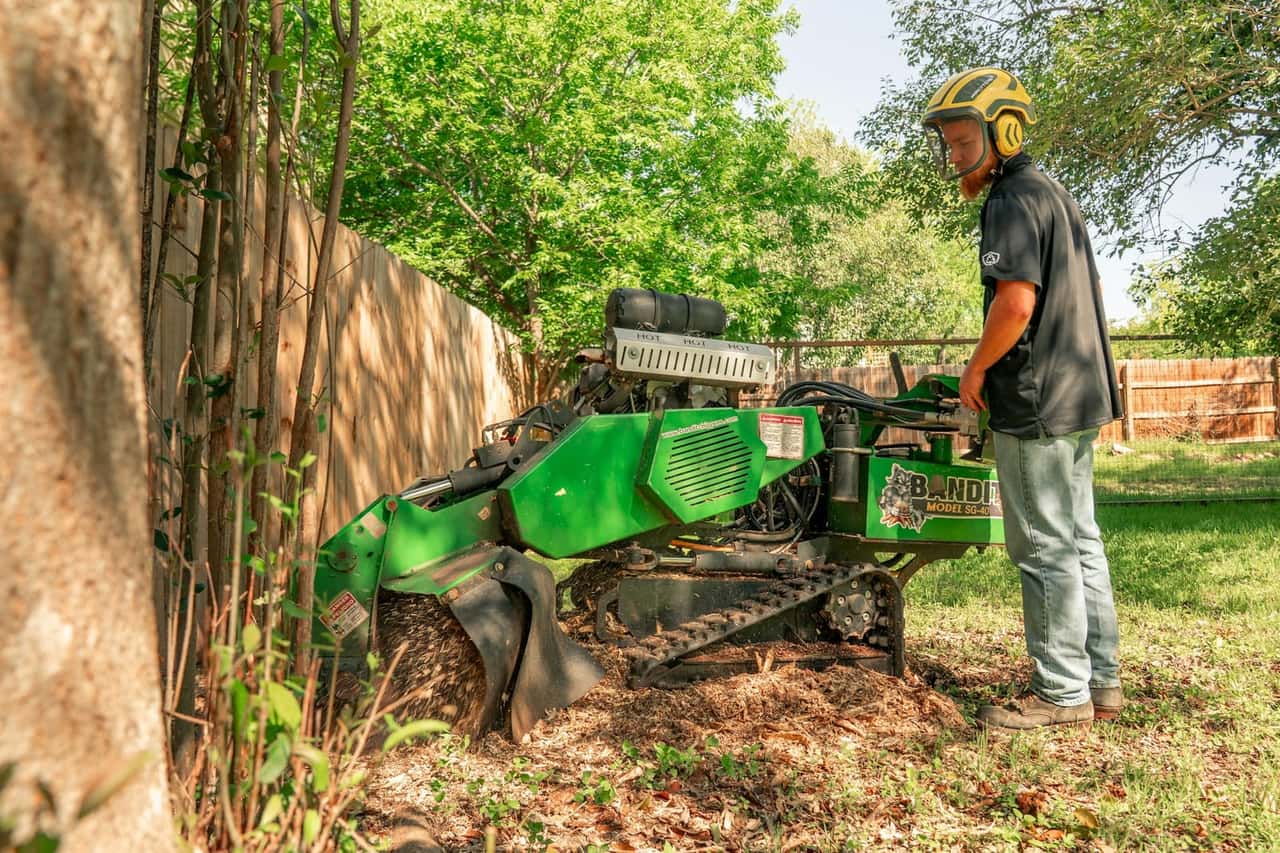
Stump Grinding & Removal
Stump grinding uses a machine with a toothed spinning wheel to chew a stump into chips a few inches to about a foot below ground.
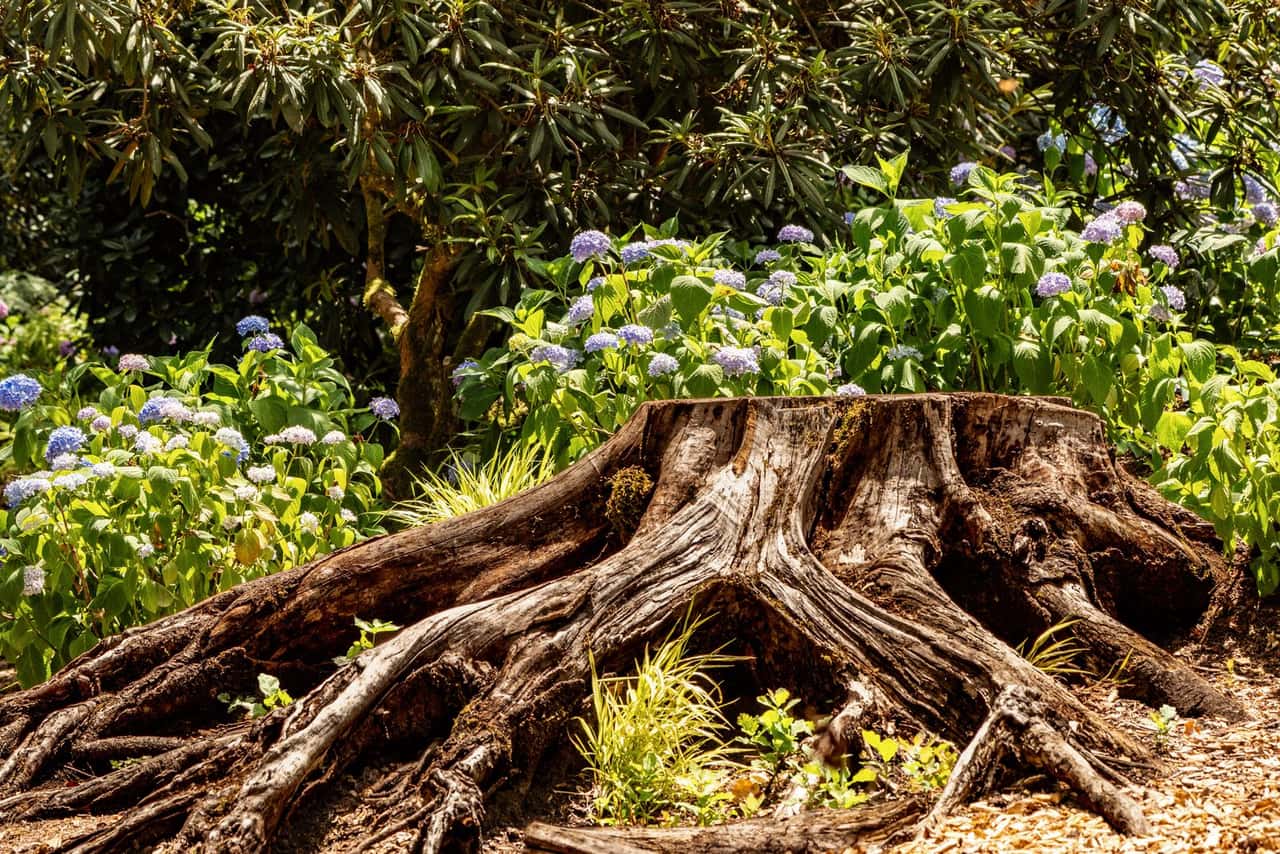
Stump Removal
Stump removal means digging out the whole stump and its main root ball, usually with an excavator or by hand, instead of grinding it below the surface.
Services by property type
Commercial sites, HOAs and multi-tree properties.
Commercial Tree Services
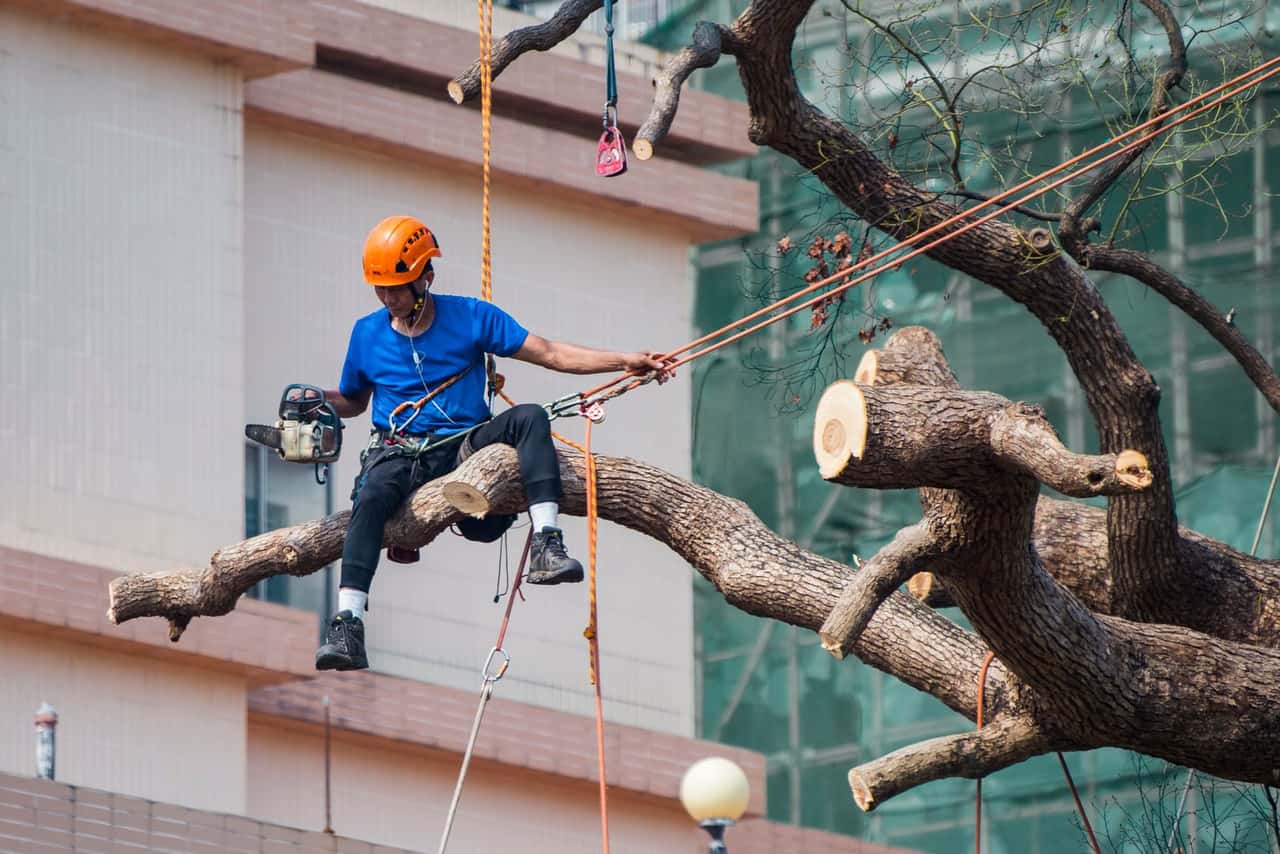
Commercial tree services cover tree work on business, multifamily, HOA, school and municipal properties: scheduled pruning, hazard removal, clearance for parking lots and buildings, storm response, and tree inventories that help managers budget and document care..
Land Clearing
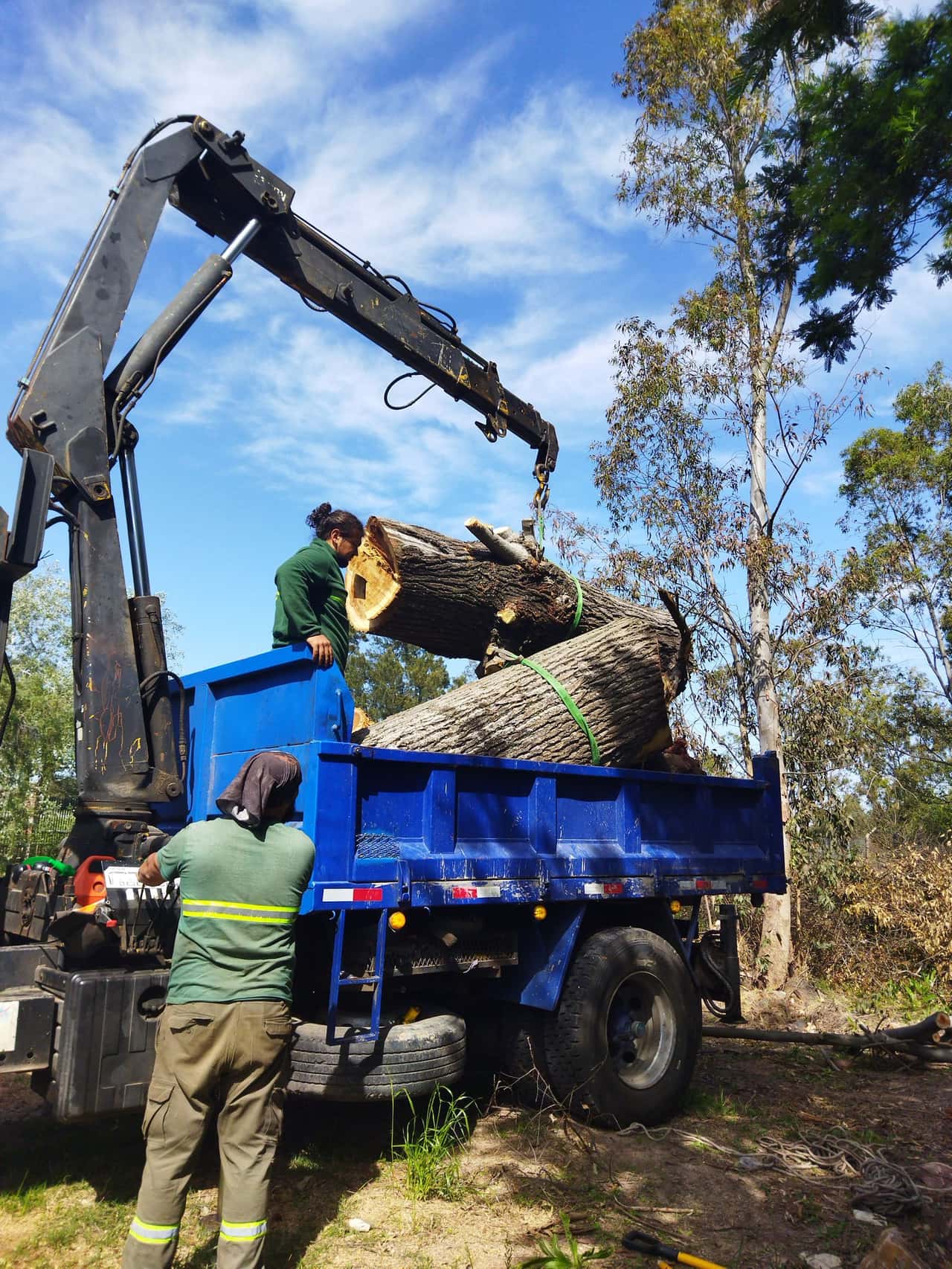
Land clearing removes trees, brush and stumps from a lot so it can be built on, fenced, farmed or simply used again.
Which tree service do you need?
| If… | Ask for |
|---|---|
| Tree is healthy, but branches are dead, broken or over the roof | Tree Trimming & Pruning services |
| Tree is dead, badly damaged or structurally unsafe | Tree Removal servicesDead Tree Removal servicesHazardous Tree Removal services |
| Tree has fallen, is on a structure or could fall any moment | Emergency Tree Removal services |
| Storm left broken, hanging or uprooted trees | Storm Damage Tree Removal services |
| Very large tree close to the house or other structures | Large Tree Removal services |
| Tree is gone but the stump is still there | Stump Grinding & Removal services |
| Not sure whether the tree needs to come down | Tree Risk Assessment services |
Before you call about a tree
These answers let a provider tell you on the first call what the job involves and roughly how it'll be done.
- Standing, leaning or down?
- And if leaning, whether the lean is new
- Dead or alive?
- Leaves, bare branches, falling bark
- Cracked or split?
- Trunk cracks, split forks, hanging limbs
- What it's touching or could hit
- Roof, car, fence, pool, a neighbor's property
- Power lines nearby?
- Including the line into the house
- Blocking access?
- Driveway, road, doors
- Rough size
- Taller than the house? Trunk thicker than a dinner plate?
- How to reach it
- Gate width, backyard access, slope, street parking
- Stump and wood
- Ground stump? Wood hauled or left?
- Photos
- Wide shot plus close-ups of damage, if asked
Safety and permission checks
- Power lines: stay at least 10 feet from overhead lines (OSHA's minimum distance for unqualified workers) and call the utility; only line-clearance-qualified tree workers cut closer.
- Underground lines: call 811 a few days before stump grinding or digging so buried utilities are marked for free.
- Permits: ask the city or county before removing or heavily pruning a large tree; protected-tree sizes and street-tree rules vary by place.
- Who is responsible: a tree on your lot is usually yours, street (right-of-way) trees are usually the city's, and trees on lines are the utility's to clear.
- Doing it yourself: picking up small fallen limbs is a homeowner job; chainsaw work off a ladder, near lines or on anything that could hit a building is not.
Have your answers ready? Call and we'll connect you with a provider serving your area.
Call for tree serviceNeed help with a tree?
Call to speak with a local tree-service provider about removal, trimming, stumps or storm damage. Describe the tree and what it's near, and they'll explain the next step.
By calling, you agree that your call may be recorded and routed to an independent local tree-service provider, who may call or text you back about your request. Calling is free and does not obligate you to hire anyone. See our Privacy Policy.