Southeast region
Tree removal and tree care in Georgia
Georgia's big tree risk is tall pines and aging water and laurel oaks standing close to houses, combined with tropical-storm remnants, severe thunderstorms and occasional ice. Rules vary sharply. Atlanta requires a permit to remove any private tree 6 inches in diameter or larger, even dead ones, while many other Georgia cities don't regulate trees on private homes.
City guides in Georgia
Metro Atlanta is one of the most heavily forested large metro areas in the country, and many subdivisions were cut into existing pine and hardwood stands. The result is tall, thin loblolly pines and mature oaks within striking distance of roofs. These trees grew up in a forest and are suddenly exposed to wind on their own.
Hurricane Helene in September 2024 showed how far inland tropical systems can do damage, with widespread tree losses across east and south Georgia, including the Augusta area. Ice storms are less frequent but can bring down pines across North Georgia.
Reviewed and updated
Pines, aging oaks and inland storms in Georgia
Tall pines near homes
Loblolly pines left from forest clearing lean, snap or uproot in wind; bark beetles kill drought-stressed pines.
Aging water and laurel oaks
Common in older neighborhoods; prone to internal decay and limb failure.
Tropical storms inland
Remnants of Gulf and Atlantic hurricanes cross the state with heavy rain and wind.
Ice storms
Freezing rain loads pines and hardwoods in North and Central Georgia.
Clay soils and construction damage
Compaction and root cutting during building often cause decline years later.
Georgia's pines, oaks and tulip poplars
- Loblolly pine
- Dominant pine; southern pine beetle and wind risk
- Water oak and laurel oak
- Short-lived, decay-prone as they age
- Willow oak and white oak
- Long-lived shade trees in older neighborhoods
- Tulip poplar
- Very tall, fast-growing, prone to limb drop
- Sweetgum
- Common; heavy seed litter, moderate storm resistance
Metro Atlanta, the coast and South Georgia
- Metro Atlanta's dense canopy and strict city ordinance mean many removals start with a permit.
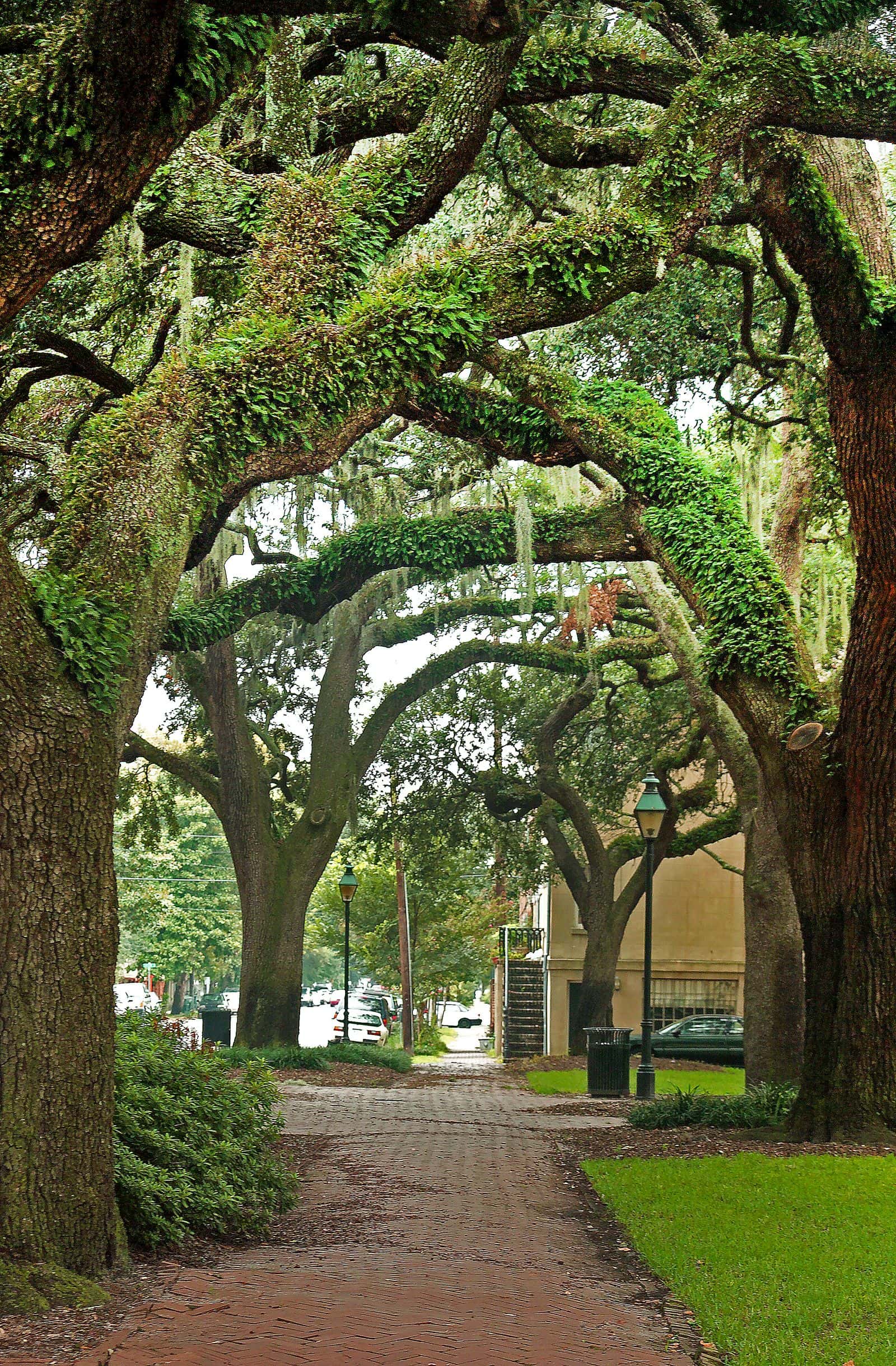
- The coast around Savannah and Brunswick is live oak and palm country, with hurricanes and saltwater as the main pressures.
- South and East Georgia took heavy damage from Helene in 2024; Augusta and Valdosta saw widespread pine and oak losses far from the coast.
- North Georgia's mountains bring ice storms and steep lots that complicate access.
Tree permits in Georgia's cities
- City of Atlanta: a permit is required to remove, destroy or injure any tree 6 inches or greater in diameter at breast height on private property, with no exceptions for species or condition. Dead trees need a permit too. Permits are issued through the Office of Buildings' Arborist Division, and removals usually require replacement trees or recompense.
- Outside Atlanta, rules vary by city and county. Many don't regulate removal on existing single-family lots, but check before cutting.
Sources (checked 2026-10-01)
Rules change and details depend on your exact property. Confirm with the city or county before work starts. This isn't legal advice.
Georgia city guides
Atlanta's guide covers one of the strictest private-tree ordinances in the Southeast. Outside the city limits, most Georgia suburbs and counties regulate trees mainly during development, and coastal Georgia adds hurricane exposure that metro Atlanta rarely sees.
The city's tree ordinance, in-town oaks and tall pines.
Georgia's tree seasons
Georgia's calendar is set by heat and storms more than snow: crews are busiest after spring tornadoes and summer thunderstorms, and pine beetles spread fastest in hot, dry summers. Winter is the slack season and usually the easiest time to schedule removals.
- Winter
- Best time for removals and pruning of most hardwoods
- Spring
- Severe thunderstorms; pine beetle activity rises with heat
- June–November
- Tropical-storm season; drought stress in late summer
Georgia services by risk
Tall pines near houses and decaying water oaks.
Tropical-remnant and thunderstorm damage.
Documentation for city permits and aging oaks.
Trees on houses after inland storms like Helene.
Georgia questions about pines and permits
Do I need a permit to cut down a tree in Atlanta?
Yes, for any tree 6 inches or more in diameter at breast height on private property, including dead trees. Apply through the City of Atlanta Office of Buildings' Arborist Division.
Are pine trees near my house dangerous?
Not automatically, but tall pines within reach of a house deserve inspection, especially after lot clearing, root damage, a new lean, or signs of pine beetles like pitch tubes and fading needles.
Need tree help in Georgia?
Call to speak with a local tree-service provider about removal, trimming, stumps or storm damage. Describe the tree and what it's near, and they'll explain the next step.