Jacksonville, FL · Duval County
Tree removal in Jacksonville
Jacksonville's tree emergencies come from hurricanes, nor'easters and aging laurel oaks that decay inside. Owners of an occupied single-family home on a lot that can't be subdivided can remove trees after getting an exemption permit, and Florida's §163.045 exempts a tree an arborist documents as dangerous.
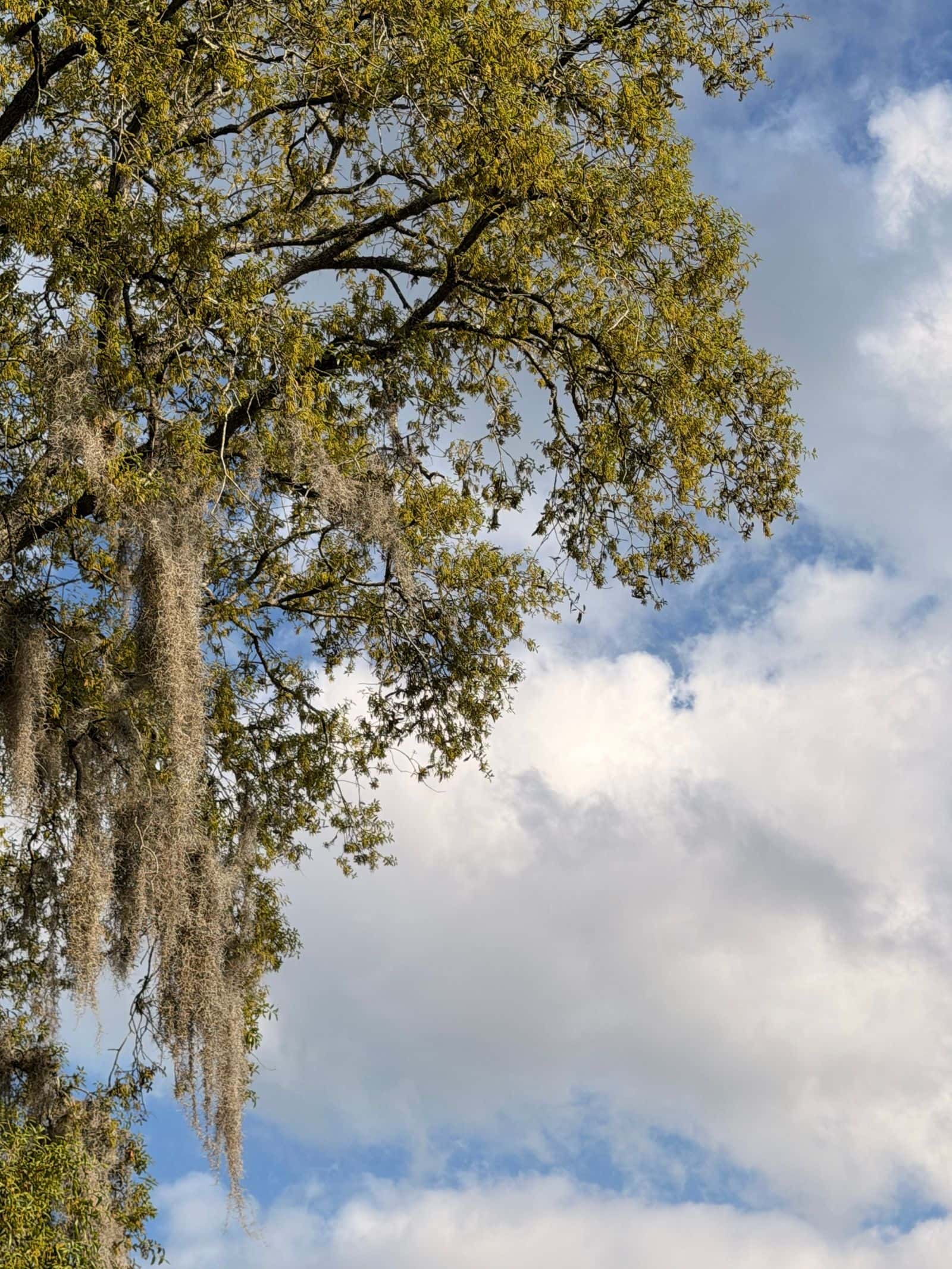
Laurel oaks were planted across Jacksonville's older neighborhoods, like Riverside, Avondale, San Marco and Ortega, and many are now at or past their typical 50- to 70-year lifespan. They often look fine until a limb or the whole tree fails, and internal decay is common.
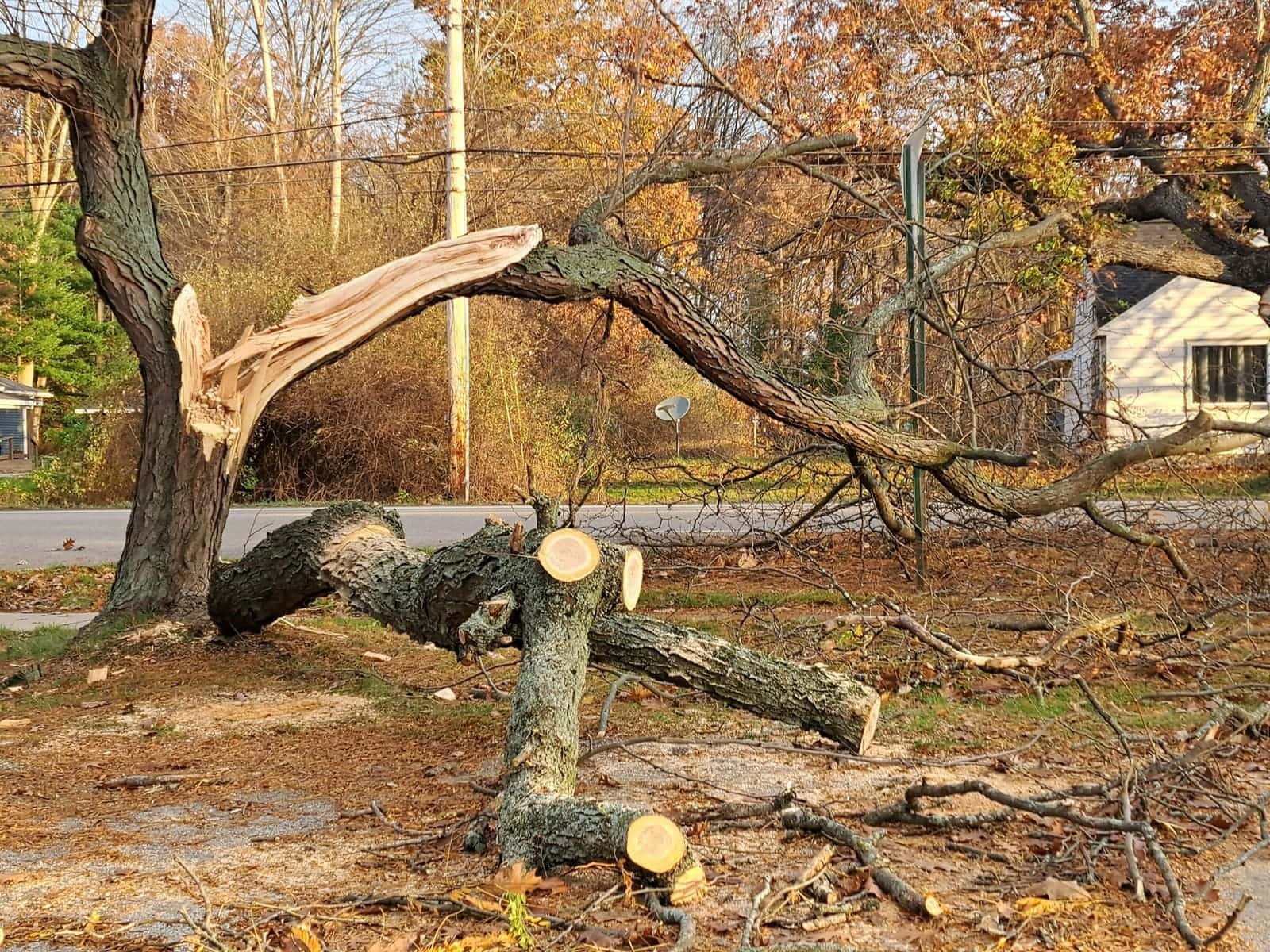
Hurricane Irma in 2017 brought record flooding and downed trees across the city, and coastal nor'easters bring days of wind and rain. Tall pines in newer suburbs attract lightning, and lightning-struck pines often die weeks later as bark beetles move in.
Reviewed and updated
Laurel oaks, Jacksonville's permit exemption and the state law
- Jacksonville exempts trees on a lot with an occupied single-family home or mobile home, where the lot can't be further subdivided, from its tree-protection restrictions. An exemption permit with a fee and supporting evidence is required.
- On lots that don't qualify for that exemption, the state's documented-hazard rule (Florida Statute 163.045) still lets a dangerous residential tree come down without a local permit.
Sources (checked 2026-10-01)
Rules change and details depend on your exact property. Confirm with the city or county before work starts. This isn't legal advice.
Hurricanes, nor'easters and sandy soil
Hurricanes and nor'easters
Irma (2017) and coastal storms bring sustained wind on saturated sandy soil.
Aging laurel oaks
Short-lived and decay-prone; frequent limb and whole-tree failures in older neighborhoods.
Lightning and pine beetles
Struck pines often decline and attract beetles weeks after a strike.
Sandy, wet soils
A high water table and sandy soil keep roots shallow.
Laurel oaks, live oaks, pines and palms
- Laurel oak
- Short-lived; internal decay; frequent failures
- Southern live oak
- Wind-firm, long-lived; protect from root damage
- Slash and longleaf pine
- Tall; lightning and beetle risk
- Sabal (cabbage) palm
- Florida's state tree; very wind-tolerant
- Water oak
- Decays with age; storm casualty
Replacing aging laurel oaks before they fail
- 1
Have the oldest trees inspected
Look for cavities, conks, dead upper limbs and cracks, especially in Riverside, Avondale and San Marco.
- 2
Plant the next tree first
A young live oak or other sturdy species planted now will be well established when the old tree comes down.
- 3
Remove in order of risk
Trees over bedrooms, driveways and streets go first.
- 4
Grind the stump and replant nearby
Avoid planting directly in the old stump's grindings.
Nor'easters versus hurricanes: different damage, different follow-up
Typical pattern
- Nor'easter
- Days of steady wind and rain
- Hurricane or tropical storm
- Hours of intense wind, sometimes surge
Common damage
- Nor'easter
- Uprooted trees in saturated sandy soil
- Hurricane or tropical storm
- Snapped trunks and limbs, plus uprooting
What to check afterward
- Nor'easter
- Root plates and leaning trees
- Hurricane or tropical storm
- Hangers, split forks and decay exposed by broken limbs
Riverfront oaks and sandy suburban lots
Riverfront and older neighborhoods have large oaks over historic homes and narrow streets; suburban lots on the Southside and Westside are sandier with tall pines close to houses.
JEA handles trees on its power lines. In the older riverfront neighborhoods, big oak limbs often reach over both the house and the line, so crews coordinate with the utility before cutting.
Jacksonville services by storm and season
Hurricane and nor'easter cleanup.
Aging laurel oaks and lightning-struck pines.
The documentation that matters under Florida's hazard exemption.
Trees on houses and lines during storms.
Live oak pruning before hurricane season.
Jacksonville tree questions
Do I need a permit to remove a tree at my Jacksonville home?
If you live in a single-family home on a lot that can't be subdivided, you're exempt from the tree-protection restrictions, but you still need an exemption permit. Separately, Florida law lets you remove a tree an arborist documents as dangerous without a local permit.
Should I remove my laurel oak?
Not automatically. But laurel oaks over 50 years old with cavities, fungal conks, dead limbs or trunk cracks are high-risk. Have a certified arborist assess it, especially before hurricane season.
A pine was struck by lightning. Will it die?
Often, yes. Even if it looks fine, struck pines are frequently attacked by bark beetles within weeks. Watch for browning needles and pitch tubes; removing it promptly keeps beetles from spreading to nearby pines.
Calls are routed to independent local tree-service providers. How calling works
More local guides
Need tree help in Jacksonville?
Call to speak with a local tree-service provider about removal, trimming, stumps or storm damage. Describe the tree and what it's near, and they'll explain the next step.