Tampa, FL · hurricanes
Hurricane and storm tree damage in Tampa
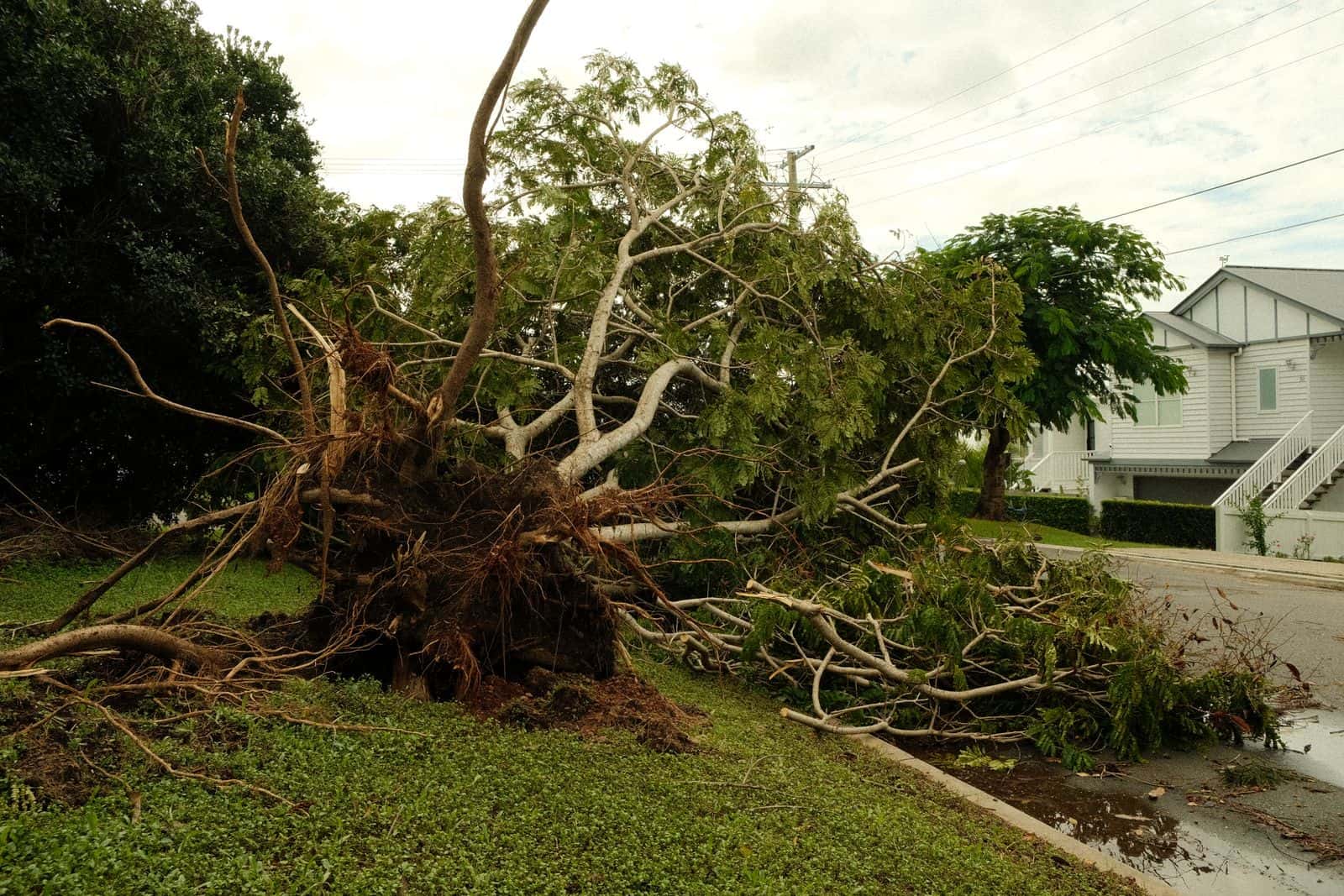
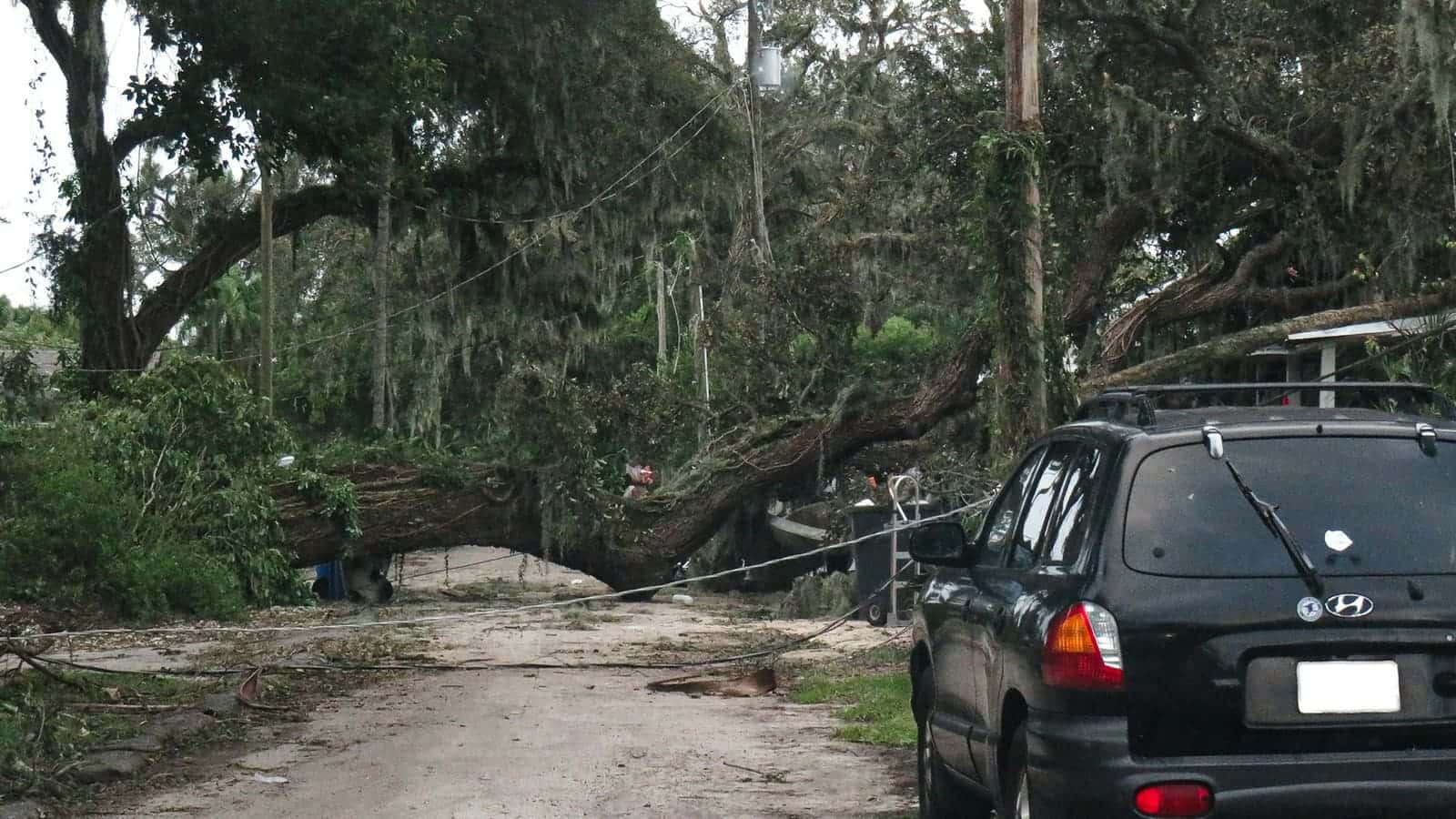
After a hurricane in Tampa, clear trees on houses and TECO lines first, then hangers and leaning trees. Tampa's permit rules still apply to damaged trees, but a tree an ISA-certified arborist documents as an unacceptable risk on a single-family lot can be removed without a permit under Florida law. Watch surge-flooded trees for salt damage over the following months.
Tampa at a glance
- Recent storms
- Helene and Milton, 2024
- Lines
- TECO and 911
- Permits
- City rules apply; Fla. Stat. 163.045 exemption with arborist documentation
- Hidden damage
- Saltwater surge stress shows up weeks to months later
Reviewed and updated
What Helene and Milton taught Tampa
In 2024, Helene's surge flooded low-lying neighborhoods along Tampa Bay, and Milton two weeks later brought widespread wind damage. Laurel oaks and queen palms failed in large numbers, while well-pruned live oaks and sabal palms mostly held. Trees in surge areas faced a second problem: saltwater in the root zone can cause browning and dieback that shows up weeks or months later.
After a Tampa hurricane, in order
- 1
Lines and gas first
Report trees on lines to TECO; 911 for sparks or gas.
- 2
Photograph everything
For insurance and, for large trees, the city.
- 3
Trees on houses and exits
Get these off first.
- 4
Hangers and leaning trees
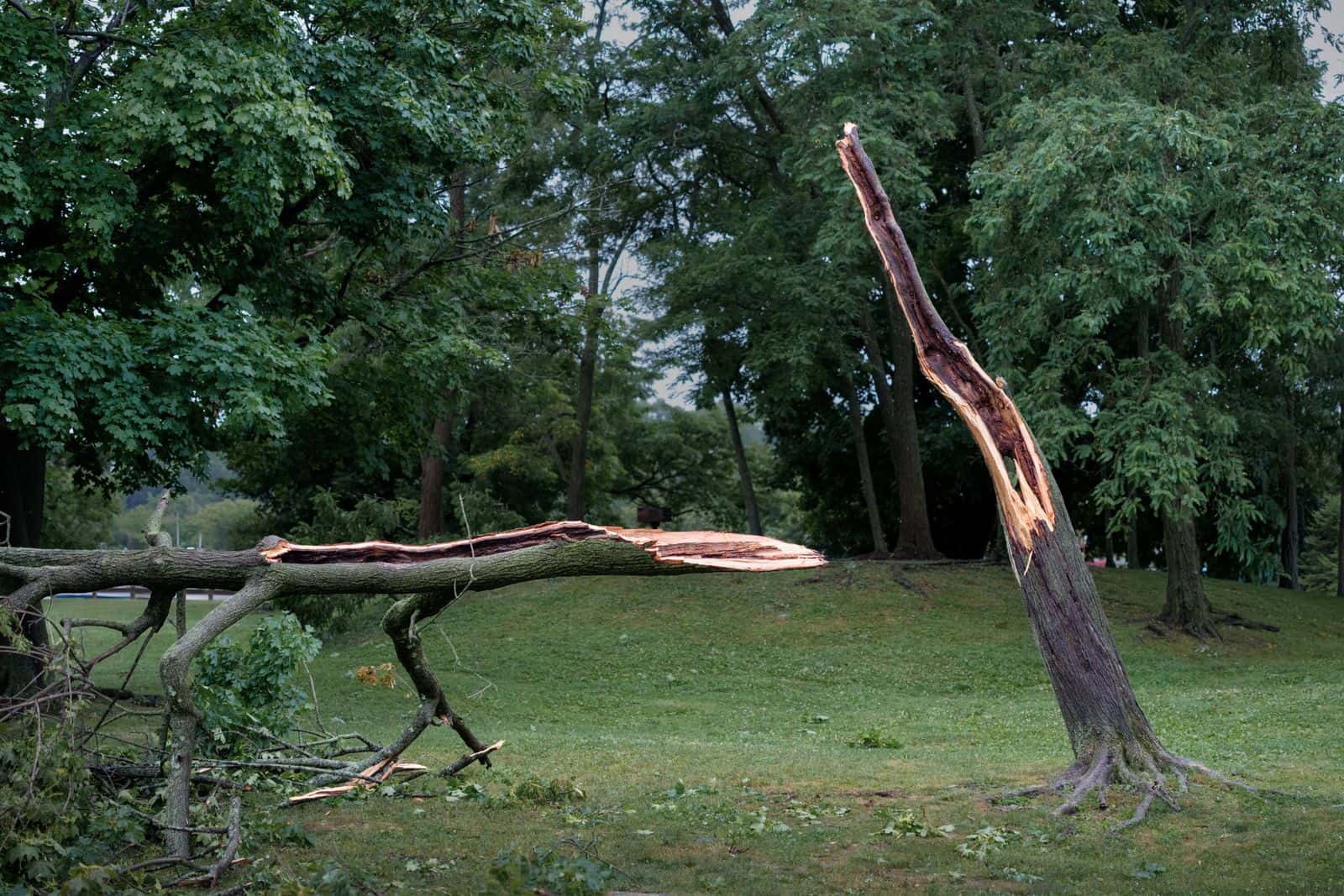
Broken limbs in the crown and trees with lifted soil.
- 5
Debris to the curb
Follow the city's storm-debris collection rules.
Permits for storm-damaged trees
Tampa requires permits to remove trees 5 inches DBH and larger and to prune trees 24 inches and larger, and grand trees (32 inches and up) get special review. Florida Statute 163.045 lets owners of single-family homes remove a tree without a permit if an ISA-certified arborist or Florida licensed landscape architect documents that it poses an unacceptable risk; the city publishes its own interpretation of that exemption. Trees already fallen on a house are an emergency.
Storm cleanup: what's safe for you
Do this now
- Stay inside during the storm and away from windows on the side facing large trees.
- Afterward, look for hangers before walking under any tree.
- Check whether your city is running a curbside debris program before paying to haul brush.
- Keep all receipts. Tree work may count toward insurance or disaster-assistance claims.
Never do this
- Don't run a chainsaw on wood that's bent, pinned or twisted. It can spring violently when cut.
- Don't approach any tree near downed lines. Lines can be live even when the power is out.
- Don't hire a company that wants full payment before starting.
Saltwater-flooded trees
After surge flooding, don't rush to remove trees that look fine. Some species tolerate salt better than others, and rain flushes salt from sandy soil. Watch for browning and leaf drop over the next months; trees that decline steadily may need removal later. Sabal palms and live oaks are among the more salt-tolerant species.
Removing a hurricane-damaged tree
- 1
Triage
Walk the property from a safe distance and list trees on structures, trees on lines, blocked exits, and hangers over walkways.
- 2
Emergency removals
Trees on structures and blocking access are removed first, usually in sections with rigging.
- 3
Hazard pruning
Hangers and broken stubs are removed from trees that will stay, with clean cuts at a branch collar.
- 4
Re-evaluate
Once the urgency passes, have an arborist look at the damaged trees that are still standing and decide what to keep.
Tampa services after a storm
For trees on houses and lines.
For broken limbs on grand oaks (permit for 24 in. and up).
For the documentation the state exemption needs.
Tampa hurricane tree questions
Do I need a permit to remove a hurricane-damaged tree in Tampa?
City permits still apply, but on a single-family lot an arborist's written finding of unacceptable risk lets you remove it without one under Florida Statute 163.045. Trees already on a house are an emergency.
My yard flooded with saltwater. Will my trees die?
Not necessarily. Rain flushes salt from sandy soil, and some species tolerate it. Watch for browning and steady decline over the next months.
Which Tampa trees held up best in Helene and Milton?
Well-pruned live oaks and sabal palms generally fared better than laurel oaks and queen palms.
Should I remove a laurel oak that lost limbs in the hurricane?
Often. Laurel oaks are short-lived and decay-prone, and storm wounds speed decline. If it also shows conks, cavities or a dead top, removal before the next season is usually wiser.
Who do I call for a tree on a power line in Tampa?
TECO, and 911 for sparks or fire. Stay well away.
Can I prune a storm-broken limb on my big oak without a permit?
Pruning trees 24 inches DBH or larger needs a permit in Tampa. For a hanging limb that's an immediate danger, call the city and a tree service right away.
Will Tampa pick up storm debris?
After major storms the city usually runs storm-debris collection for vegetation at the curb. Follow announced rules and schedules.
How much does hurricane tree removal cost in Tampa?
It depends on tree size, what it's on, access and crane needs. See the emergency tree removal cost guide.
Who removes hurricane-damaged trees near me in Tampa?
Insured local tree services. You can call us to reach an independent provider in Tampa.
Sources for the local facts on this page
- City of Tampa: Tree information (checked 2026-10-03)
- City of Tampa: Interpretation of the statutory tree removal exemption (checked 2026-10-03)
- Florida Statutes §163.045 (checked 2026-10-03)
Storm damage cleanup in Tampa
Call to speak with a local tree-service provider about removal, trimming, stumps or storm damage. Describe the tree and what it's near, and they'll explain the next step.