Pacific Northwest region
Tree removal and tree care in Washington
Western Washington's tree risk comes from very tall conifers, saturated winter soils and strong windstorms. Root rot and recent summer droughts have weakened many Douglas firs and western red cedars. Seattle's tree ordinance, updated in 2023, requires a permit for removing most trees 6 inches in diameter and larger on private property.
City guides in Washington
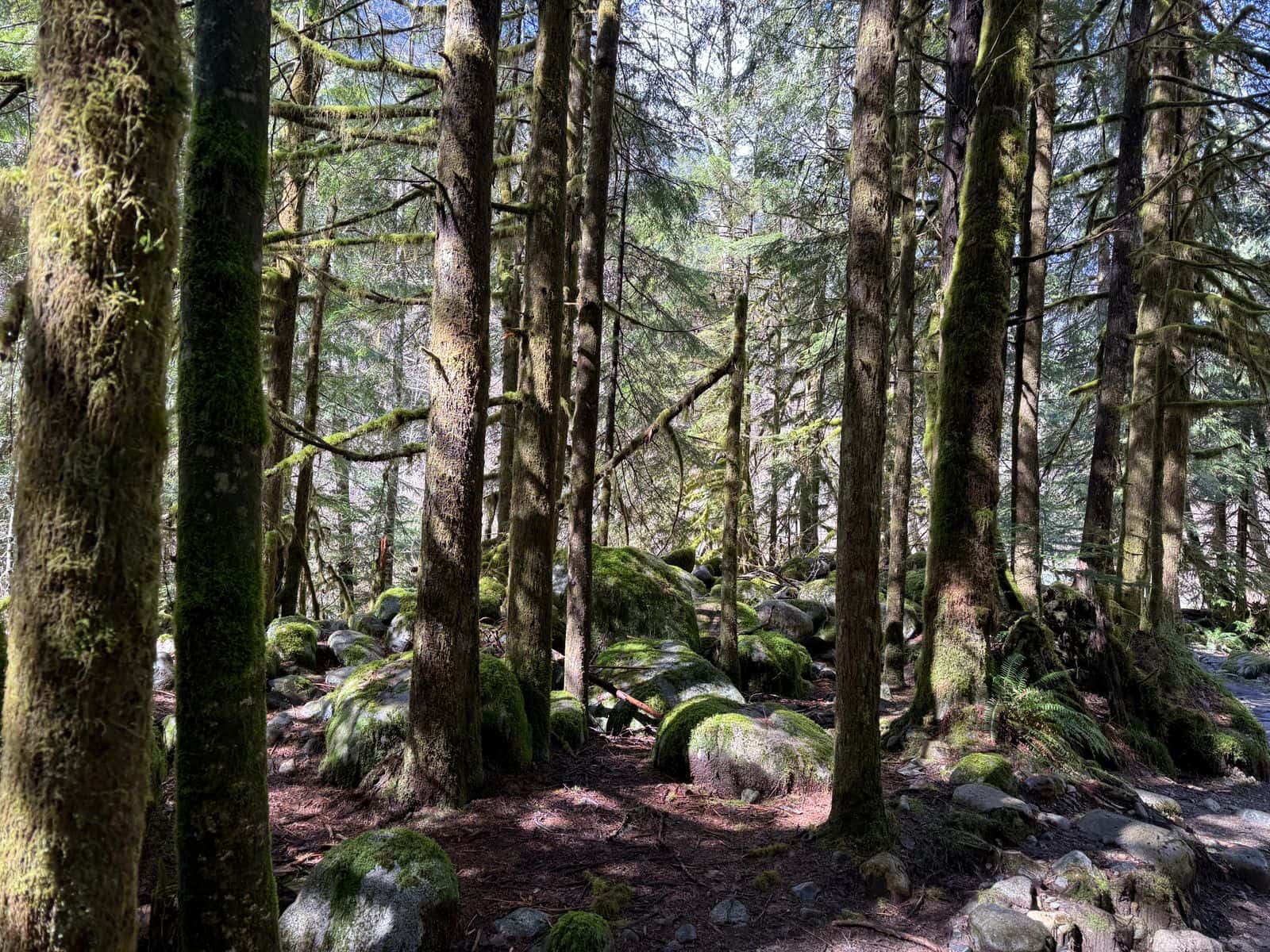
Few places have residential trees as tall as the Puget Sound region. Douglas firs, western red cedars and bigleaf maples of 100 feet or more stand in ordinary backyards. When a strong Pacific storm arrives after weeks of rain, as in the November 2024 bomb cyclone that knocked out power to hundreds of thousands, saturated soil lets whole trees uproot.
Hotter, drier summers, including the 2021 heat dome, have caused visible dieback in western red cedar and stress in other conifers. Root diseases like laminated root rot spread tree to tree underground and are a common hidden cause of failure.
Reviewed and updated
Tall conifers, windstorms and root rot in Washington
Winter windstorms
Strong Pacific storms on saturated soils uproot tall conifers across the Puget Sound lowlands.
Root rot
Laminated root rot and other root diseases weaken anchorage with few visible signs.
Drought dieback
Western red cedar tops and bigleaf maples show stress after hot summers.
Snow and ice
Periodic heavy snow breaks limbs, particularly in broadleaf evergreens.
Steep slopes
Hillside trees face landslide and erosion concerns; removal can destabilize slopes.
West of the Cascades and east of them
Western Washington's tree work is about very tall Douglas firs and cedars, winter windstorms on saturated soil, root diseases and steep, sometimes unstable slopes. Seattle and several neighboring cities also regulate tree removal on private lots.
East of the Cascades, around Spokane and Yakima, the climate is drier and the trees are ponderosa pines and planted shade trees. The November 2015 windstorm in Spokane brought down trees across the city, and wildfire and drought shape decisions there more than root rot does.
Washington's tree permit rules
- Seattle: under the tree protection ordinance effective July 30, 2023 (SMC 25.11), most trees 6 inches DBH and larger on private property are regulated, and removal generally requires a permit from the Seattle Department of Construction and Inspections, with larger trees subject to stricter limits and replacement.
- Hazardous trees can be removed through a documented process; check the current SDCI rules before any work.
Sources (checked 2026-10-01)
Rules change and details depend on your exact property. Confirm with the city or county before work starts. This isn't legal advice.
Washington city guides
Seattle's guide covers its tree-protection code and Pacific Northwest windstorms. East of the Cascades, Spokane and Yakima are drier, with ponderosa pine, ice storms and wildfire concerns rather than big Douglas-firs in wet soil.
The 2023 tree protection ordinance, tall conifers and steep slopes.
Douglas fir, cedar, maple and madrone
- Douglas fir
- Very tall; root rot and windthrow risk
- Western red cedar
- Drought-related top dieback in recent years
- Bigleaf maple
- Heavy limbs, decay at old pruning wounds
- Red alder
- Short-lived; failures as it ages
- Pacific madrone
- Protected in some places; sensitive to disturbance
Washington's windstorm and dry-season timing
- Oct–Mar
- Windstorm season; saturated soils raise uprooting risk
- Late winter
- Good timing for many removals and structural pruning
- Summer
- Drought stress; fire risk east of the Cascades
Washington services for big conifers
Documenting hazardous trees under city ordinances.
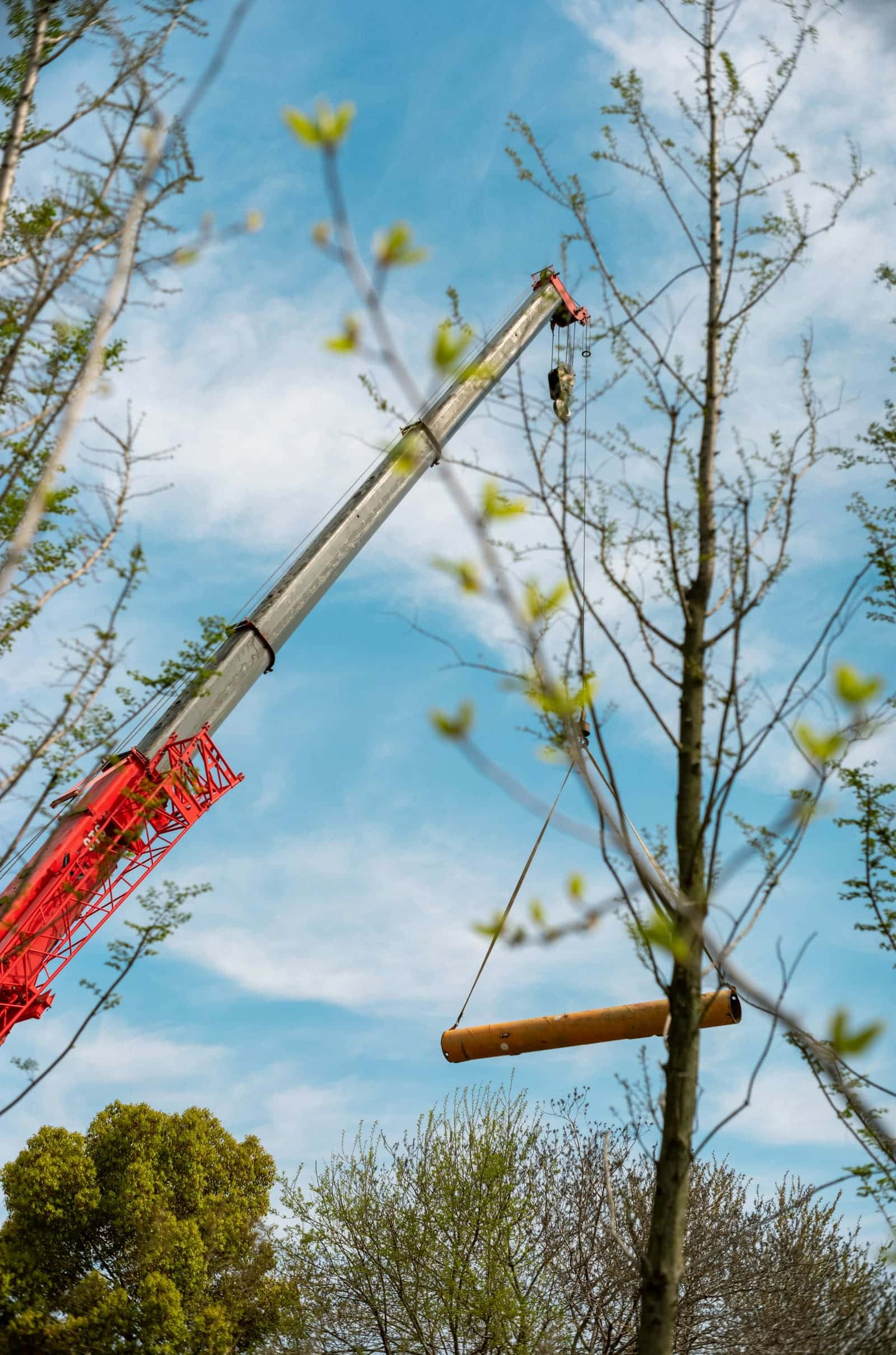
Crane removals of very tall firs and cedars.
Windstorm cleanup.
Deadwood and broken tops, never topping.
Washington tree questions
Do I need a permit to remove a tree in Seattle?
For most trees 6 inches in diameter or larger on private property, yes, under the 2023 tree protection rules administered by SDCI. Hazardous trees have a specific process. Check SDCI's current guidance before hiring anyone.
Who handles trees in power lines in Washington?
The electric utility for your area, such as Seattle City Light or Puget Sound Energy in the Puget Sound region, clears trees from its lines and maintains clearance around them. Never work near a line yourself; once it's made safe, the rest of the tree on your property is usually yours to deal with.
Why do big trees fall in Seattle windstorms even when they look healthy?
Saturated soil loses its grip on roots, and hidden root rot reduces anchorage. A tall, dense conifer in wet ground can uproot even with a sound trunk.
Need tree help in Washington?
Call to speak with a local tree-service provider about removal, trimming, stumps or storm damage. Describe the tree and what it's near, and they'll explain the next step.