Los Angeles, CA · Los Angeles County
Tree removal in Los Angeles
In Los Angeles, check whether the tree is protected before anything else. Native oaks, western sycamore, California black walnut and California bay laurel measuring 4 inches or more in cumulative diameter need a permit from the city's Urban Forestry Division to remove. Beyond that, most tree work here is palm trimming, drought-stressed trees, and wind and fire preparation.
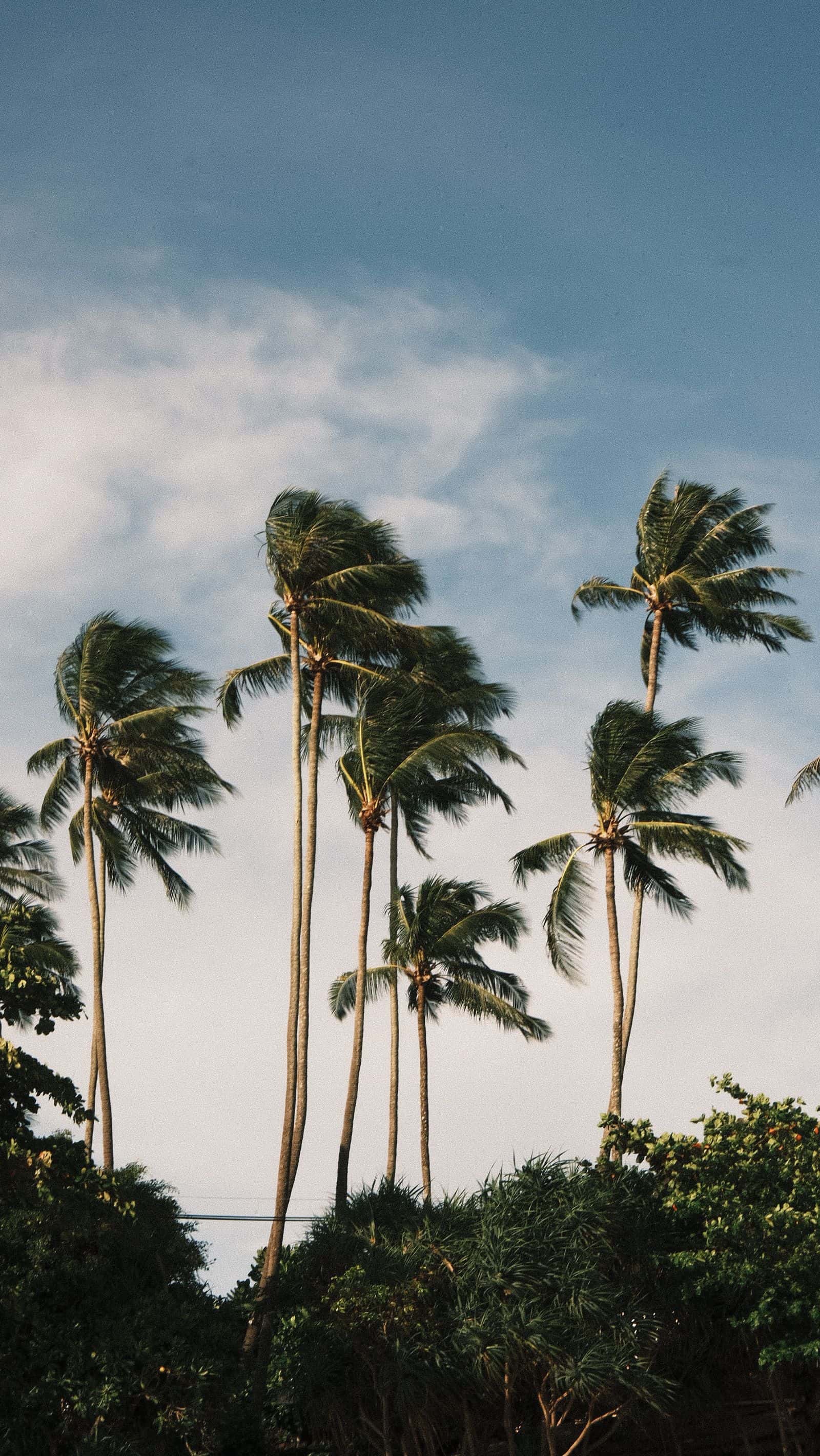
LA's urban forest is a mix of natives in the canyons and hillsides, and imported species on the flats: towering Mexican fan palms, Canary Island palms, eucalyptus, jacaranda, ficus and pines. Santa Ana winds, strongest from fall into winter, blow hot and dry from the interior and routinely bring down eucalyptus limbs and pines, sometimes during high fire danger.
The January 2025 fires in Pacific Palisades and Altadena (in LA County) made fire-safe landscaping a priority for many homeowners. In hillside and fire-severity zones, that means keeping trees clear of roofs and chimneys, removing dead wood, and spacing vegetation. Protected trees still need permits even when the work is fire-related.
Reviewed and updated
Los Angeles's protected native trees
- Protected trees are native oaks (other than scrub oak), Southern California black walnut, western sycamore and California bay laurel measuring 4 inches or more in cumulative diameter at 4.5 feet; Mexican elderberry and toyon shrubs are also protected.
- Removing or relocating a protected tree, or harmful work around one, requires a permit from the City of Los Angeles Urban Forestry Division.
- Street trees in the parkway belong to the city and need permission for pruning or removal.
Sources (checked 2026-10-01)
Rules change and details depend on your exact property. Confirm with the city or county before work starts. This isn't legal advice.
Santa Anas, drought and tall palms: LA's tree conditions
Protected native trees
Oaks, sycamores, black walnut and bay laurel are protected at small sizes; permits and replacement are required.
Santa Ana winds
Dry offshore winds from fall into winter topple eucalyptus and pines and raise fire danger.
Drought
Non-native trees decline without deep irrigation; summer limb drop occurs in some species.
Tall palms
Fan palms can exceed 80 feet; dead fronds are a fire and falling hazard and need regular removal.
Palms and canopy trees are two different maintenance jobs
LA's tall Mexican fan palms and Canary Island palms don't get pruned like shade trees. The work is removing dead fronds and fruit stalks, and it's done by climbers or from a lift. Leaving the dead "skirt" in place creates fuel and rodent habitat, and climbing with spikes is normal on palms in a way it isn't on canopy trees.
Canopy trees, like ficus, sycamores and oaks, need structural pruning on a multi-year cycle: deadwood out, weight reduced on long limbs over roofs, and clearance from wires. Ficus roots and size cause more property conflicts than the canopy itself.
Coast live oaks, sycamores, palms and eucalyptus
- Coast live oak
- Protected; don't irrigate heavily near the trunk
- Western sycamore
- Protected; common along washes and canyons
- Mexican fan palm
- Very tall; regular frond removal by trained climbers or lifts
- Eucalyptus
- Wind-prone limbs, fire-prone bark
- Ficus
- Aggressive roots that lift sidewalks and damage pipes
Hillside lots and flatland parkways
Hillside homes need rigging and sometimes cranes because nothing can be dropped on slopes. Flatland neighborhoods often have huge ficus and palms in narrow side yards and parkways.
On hillsides, cranes often set up on the street above or below the house. That needs room, sometimes a street-use permit, and a plan for where each piece lands, so hillside jobs are scheduled further out than flatland work.
Fire-season decisions after the 2025 fires
California's defensible-space rules divide the area around a house into zones, and trees are part of the plan. Before fire season:
- Clear dead leaves, needles and palm fronds from roofs and gutters, and keep the first 5 feet around the house free of anything that burns.
- Within about 30 feet, remove dead branches and limb trees up so fire can't climb from shrubs into the canopy.
- Out to 100 feet, thin and space vegetation rather than clearing it.
- Check before cutting a protected native oak or sycamore; fire clearance doesn't automatically override LA's protected-tree permit.
Which LA services fit which tree
Palm frond removal and canopy pruning, both common year-round.
Non-protected trees causing damage, and fire-clearance removals.
The arborist report LA asks for with protected-tree permits.
Crane jobs on hillsides and huge ficus in tight side yards.
After palm and ficus removals; palm stumps grind differently from hardwood.
Los Angeles tree questions
Which trees are protected in Los Angeles?
Native oaks (except scrub oak), western sycamore, Southern California black walnut and California bay laurel at 4 inches or more in cumulative diameter, plus Mexican elderberry and toyon shrubs. Removing them requires a city permit.
How often should palm trees be trimmed in LA?
Mexican fan palms and Canary Island date palms in LA usually need one cleanup a year; tall fan palms are trimmed from a lift or by a climber without spikes. Avoid over-trimming green fronds, and avoid spiking palms, which leaves permanent wounds.
Who handles the parkway tree in front of my LA house?
Parkway trees are city trees. Contact the city's Urban Forestry Division (via MyLA311) for pruning, removal or sidewalk issues.
Calls are routed to independent local tree-service providers. How calling works
More local guides
Need tree help in Los Angeles?
Call to speak with a local tree-service provider about removal, trimming, stumps or storm damage. Describe the tree and what it's near, and they'll explain the next step.