Northeast region
Tree removal and tree care in Vermont
Vermont tree work is shaped by ice, snow and water. The 1998 ice storm damaged forests across the state, heavy snow and wind still break maples and pines over homes, and the July 2023 floods undercut riverbank trees in many towns. Emerald ash borer, confirmed in Vermont in 2018, is spreading and killing untreated ash.
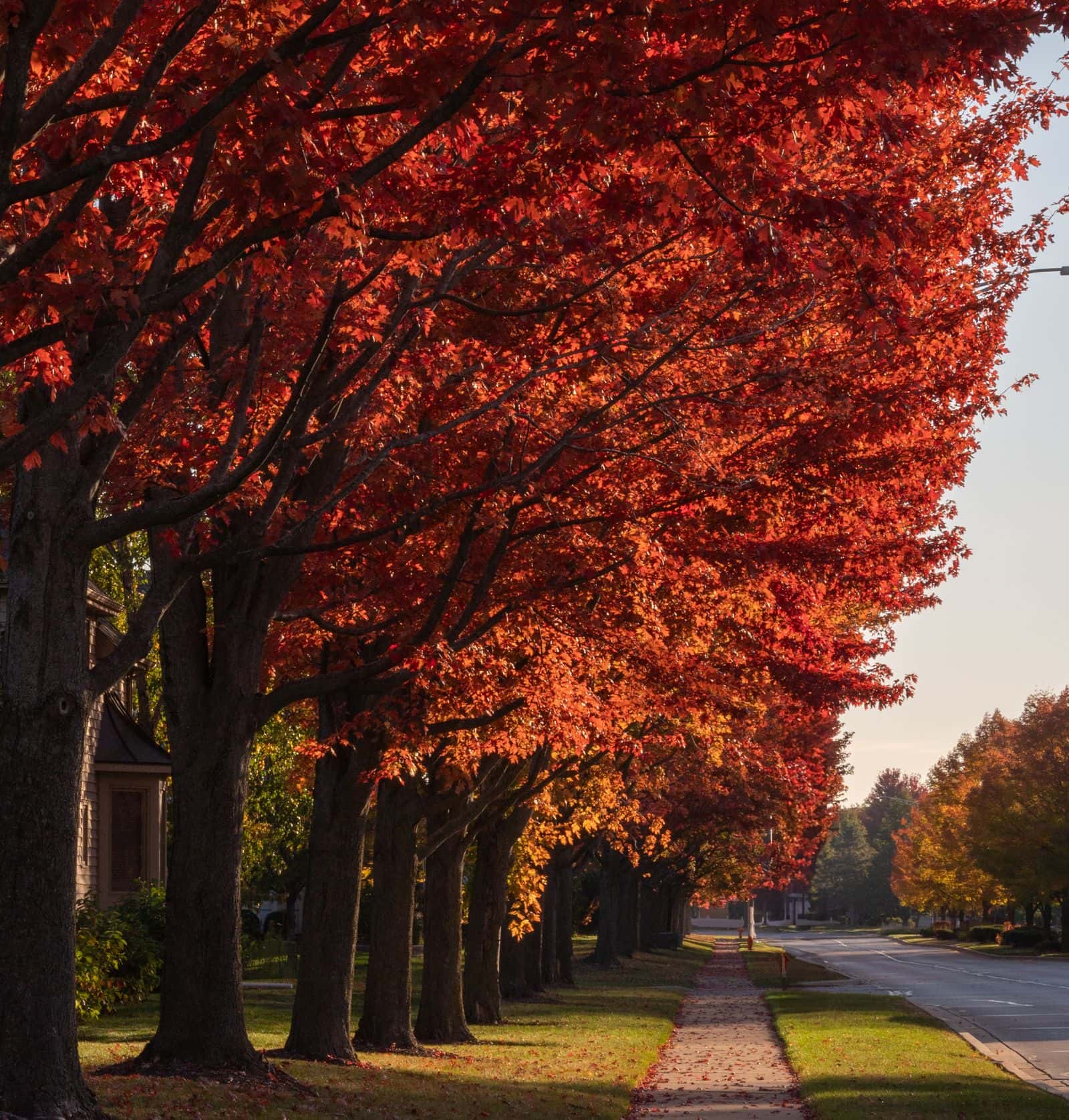
Vermont homes often sit beside sugar maples, white pines, hemlocks and birches, many of them large and old. Roadside maples along town roads and in villages are a big part of Vermont's character and also a common source of storm damage.
The July 2023 flooding scoured riverbanks in central and northern Vermont, leaving trees with exposed or undercut roots that can fall later. Trees along streams near homes, roads and bridges deserve a look after any major flood.
Reviewed and updated
Ice, snow, floods and ash borer
Ice and snow
Freezing rain and wet snow break maples, birches and pines.
Flood-damaged banks
Undercut riverbank trees can fall months or years after a flood.
Emerald ash borer
Confirmed in 2018; spreading through the state.
Aging roadside maples
Old village and roadside maples carry decay and dead limbs.
Vermont tree rules and tree wardens
- Vermont has no statewide permit for removing trees on private residential lots, but work near rivers and shorelands can require state permits.
- Trees in town road rights-of-way are generally under the town tree warden's authority.
Sources (checked 2026-10-04)
Rules change and details depend on your exact property. Confirm with the city or county before work starts. This isn't legal advice.
Riverbank trees after the 2023 floods
In July 2023, heavy rain flooded many Vermont towns, scouring riverbanks and leaving trees with exposed or undercut roots. Some of those trees are still standing but have lost much of their support. Look for a new lean, exposed roots on the river side and cracked soil, especially where a tree could fall on a house, road or bridge.
Maples, pines, hemlocks and birches
- Sugar maple
- Iconic; old roadside trees with decay
- White pine
- Large yard trees; snow breakage
- Eastern hemlock
- Shade-tolerant; adelgid in the south
- Paper and yellow birch
- Ice damage
- Ash
- Emerald ash borer since 2018
Vermont's working calendar
Winter on frozen ground is the best time for heavy work; spring mud season limits equipment, and summer brings thunderstorms and flood risk to riverside trees.
- Winter
- Ice and snow; planned removals on frozen ground
- Spring
- Mud season limits equipment access
- Summer
- Thunderstorms and flood risk
Vermont services by risk
After ice and wet snow.
For undercut riverbank trees.
For ash killed by emerald ash borer.
For old sugar maples.
Old maple: keep or remove?
Some deadwood, solid trunk
- Usual choice
- Prune and keep
Large cavity or crack
- Usual choice
- Assess; often remove
Major dieback
- Usual choice
- Remove
Leaning toward the house
- Usual choice
- Assess promptly
Vermont tree questions
Who decides about a roadside tree in Vermont?
Usually the town tree warden for trees in the town right-of-way. Check before cutting a tree along the road.
Should I remove a riverbank tree after flooding?
If its roots are undercut and it can reach your house, road or a bridge, likely yes. Work near rivers may need a state permit, so check first.
Is emerald ash borer in Vermont?
Yes, since 2018. Treat valuable ash or plan removal.
Why is spring a hard time for tree work in Vermont?
Mud season makes yards and roads soft, so heavy equipment can do damage. Winter on frozen ground is often better.
Should I keep an old sugar maple near my house?
If it's structurally sound, yes; pruning out deadwood can extend its life. Large cavities or cracks may mean removal.
How much does tree removal cost in Vermont?
Large maples and pines near houses cost more. See the tree removal cost guide.
Need tree help in Vermont?
Call to speak with a local tree-service provider about removal, trimming, stumps or storm damage. Describe the tree and what it's near, and they'll explain the next step.