
Southeast region
Tree removal and tree care in North Carolina
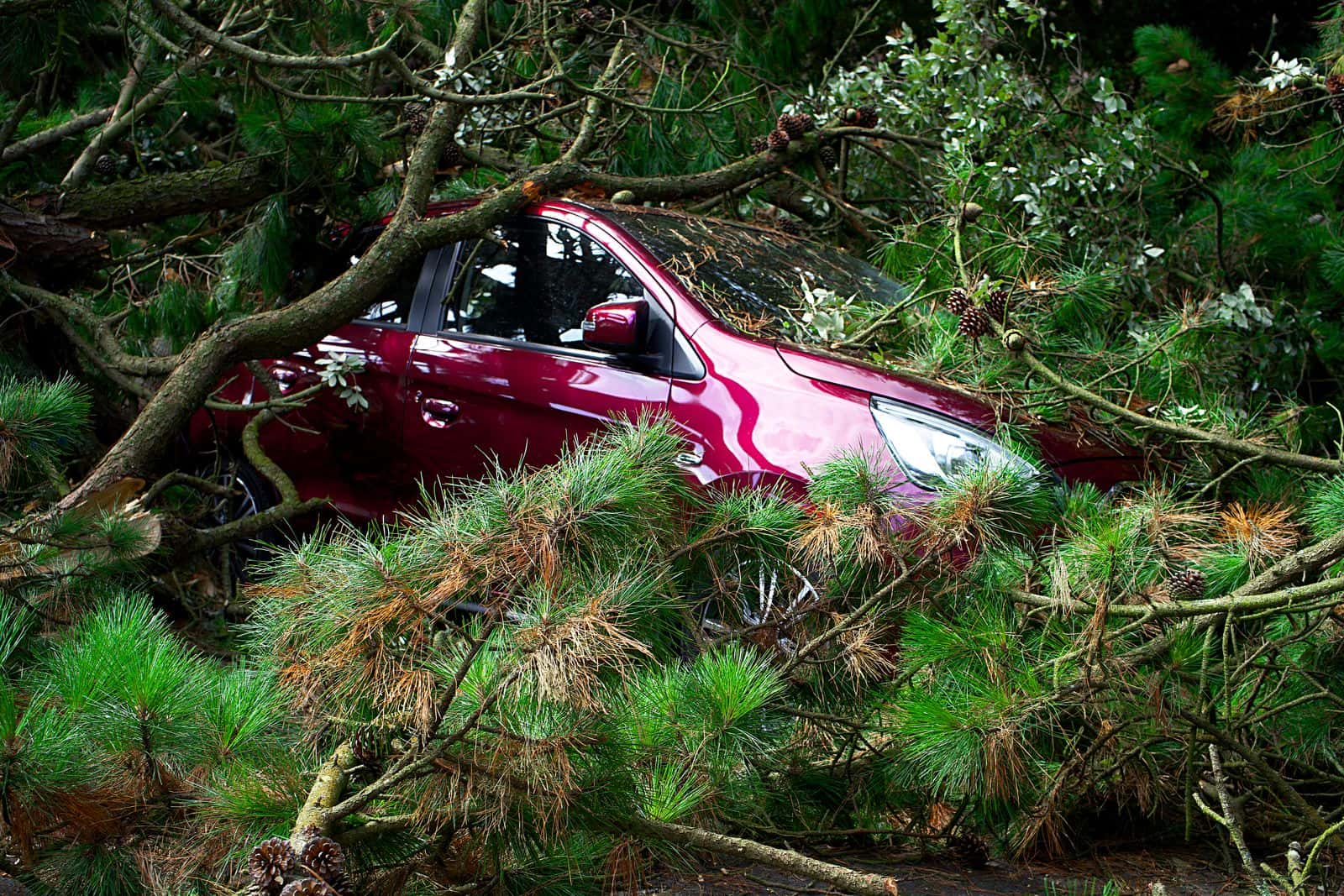
North Carolina gets tree damage from both directions: hurricanes and tropical storms from the coast inland, and ice storms across the Piedmont in winter. Hurricane Helene in 2024 devastated western North Carolina. For most homeowners, trees on a private single-family lot don't need a city permit, but street trees in the public right-of-way do.
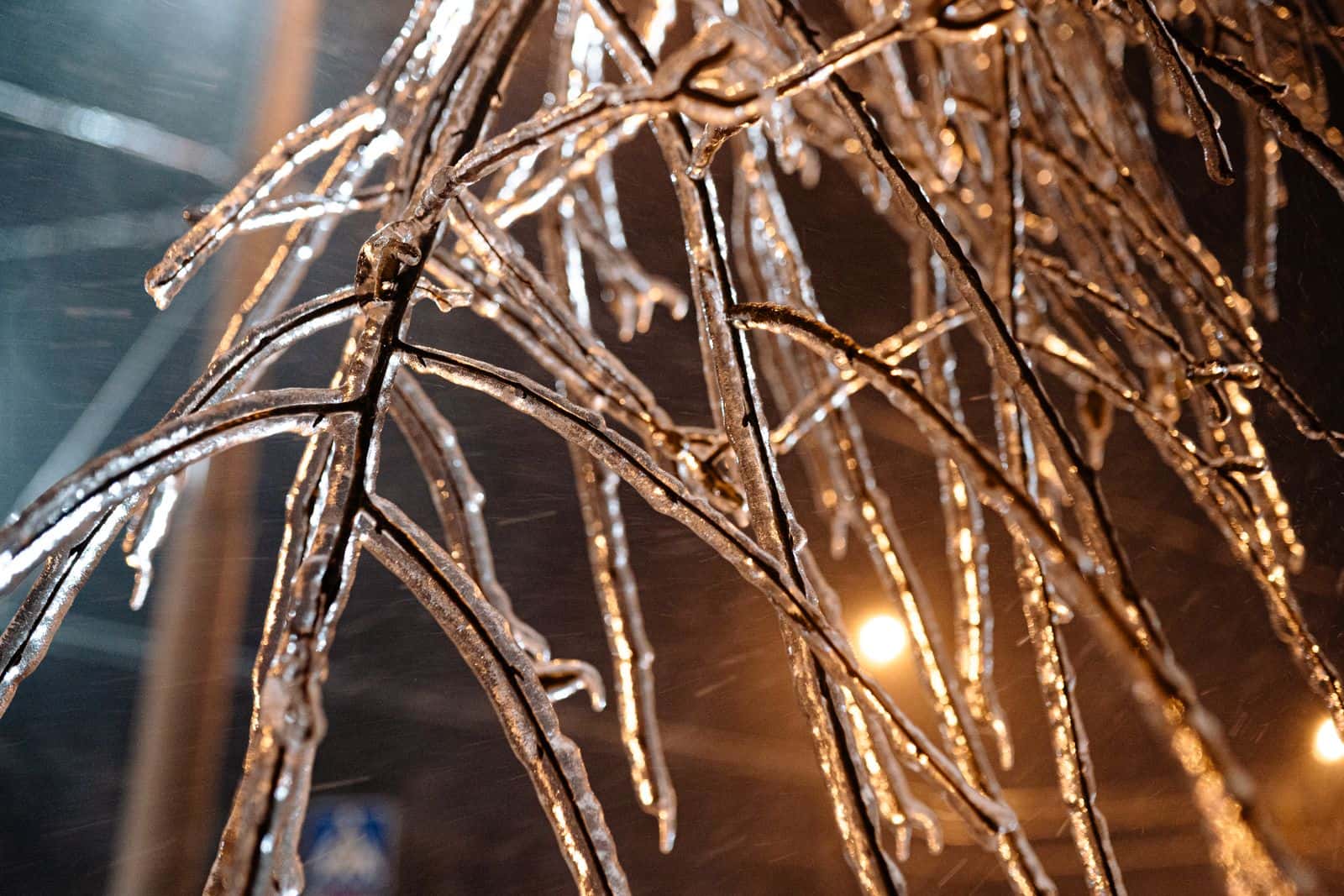
Eastern North Carolina has repeatedly taken direct hurricane hits (Florence in 2018, Matthew in 2016), and even storms that weaken inland bring days of rain that saturate soil before the wind arrives. In the Piedmont (Charlotte, Raleigh, Greensboro), freezing rain is the recurring hazard: a quarter-inch of ice adds enormous weight to branches, especially pines and older hardwoods.
Helene's remnants in September 2024 caused catastrophic flooding and landslides across the mountains. Trees fell across roads, homes and power lines throughout western North Carolina, a reminder that steep slopes and saturated soils make even healthy trees vulnerable.
Reviewed and updated
Hurricanes, ice and cleared-lot pines in North Carolina
Hurricanes and tropical remnants
Coastal wind damage plus inland flooding and uprooting; Helene (2024) caused massive losses in the mountains.
Ice storms
Freezing rain across the Piedmont snaps pines and splits hardwoods.
Aging planted canopies
Charlotte's and Raleigh's older neighborhoods have large willow oaks, many planted a century ago and now declining.
Pines on cleared lots
Tall loblolly pines near newer homes are wind- and beetle-prone.
Coast, Piedmont, mountains: one state, three tree problems
Coastal Plain
- Main pressures
- Direct hurricanes, sandy soil, loblolly and longleaf pines
- Typical work
- Storm removals and pre-season pine checks
Piedmont (Charlotte, Raleigh, Greensboro)
- Main pressures
- Ice storms, aging willow oaks, red clay, remnant pines
- Typical work
- Ice damage, construction-stressed oaks
Mountains (Asheville, Boone)
- Main pressures
- Steep slopes, landslides after extreme rain, ice
- Typical work
- Hillside removals, post-Helene cleanup
Charlotte and Raleigh tree rules
- Charlotte: the city oversees trees in the public right-of-way (street trees). Its tree ordinance mainly applies to development, and existing single-family homes are generally exempt, but work on street trees requires city involvement.
- Raleigh: a Tree Impact Permit is required for activities affecting trees in the city right-of-way and on city property; most trees on private single-family lots don't need a permit unless special overlays apply.
Sources (checked 2026-10-01)
Rules change and details depend on your exact property. Confirm with the city or county before work starts. This isn't legal advice.
North Carolina's pines, oaks and poplars
- Willow oak
- Signature street tree in Charlotte and Raleigh; many are at the end of their lifespan
- Loblolly pine
- Ice and wind breakage; pine beetle after drought
- Tulip poplar
- Tall and fast; limb drop in storms
- Red maple and sweetgum
- Common yard trees; moderate storm tolerance
- Eastern hemlock (mountains)
- Threatened by hemlock woolly adelgid
North Carolina city guides
Charlotte and Raleigh are both Piedmont cities on red clay with willow oak canopies and ice-storm risk, but their rules differ. The coast adds hurricanes and sandy soil, and the mountains, hit hard by Helene in 2024, add steep slopes and landslide-prone ground.
Aging willow oaks, red clay and the 2002 ice storm.
Wooded lots, tall pines and the Tree Impact Permit.
North Carolina's tree-work calendar
North Carolina has two storm seasons that don't overlap: ice storms in the Piedmont from December to February, and hurricanes from late summer into fall. Pruning weak limbs before either is the most useful preventive work.
- Dec–Feb
- Ice-storm risk in the Piedmont; good window for removals
- Spring
- Severe thunderstorms
- Aug–Oct
- Peak tropical-storm risk
North Carolina services by region
Hurricanes on the coast, ice in the Piedmont, Helene in the mountains.
Aging willow oaks and pines left after lot clearing.
Remnant pines near new houses.
Deadwood and weak forks before ice season.
North Carolina questions
Do I need a permit to remove a tree in Charlotte or Raleigh?
Usually not for a tree on an existing single-family lot, but you do for trees in the street right-of-way, and special districts or overlays may add rules. Check with the city before cutting a tree near the street.
Why do ice storms break so many trees in the Piedmont?
Freezing rain coats every branch, multiplying its weight. Pines, trees with weak forks, and trees with long, horizontal limbs are the most likely to fail.
What did Hurricane Helene change for western North Carolina trees?
Helene's remnants in September 2024 dropped extreme rain on the mountains before the wind arrived, so saturated slopes gave way and whole hillsides of trees came down onto roads, homes and rivers around Asheville and beyond. On steep mountain lots, removal often means rigging trees uphill or using a crane from the road, and leaving stumps in place can help hold soil that's still unstable.
Need tree help in North Carolina?
Call to speak with a local tree-service provider about removal, trimming, stumps or storm damage. Describe the tree and what it's near, and they'll explain the next step.