Northeast region
Tree removal in Washington, DC
DC has some of the strictest private-tree rules in the country. Any tree measuring 44 inches or more in circumference (about 14 inches in diameter) is a Special Tree, and removing one needs a DDOT Special Tree Removal Permit and a Tree Fund fee. Trees 100 inches around or more are Heritage Trees, and healthy ones can't be removed at all. Street trees belong to DDOT's Urban Forestry Division.
Circumference is measured around the trunk at 4.5 feet above the ground. That means a fairly ordinary backyard oak or tulip poplar often qualifies as a Special Tree. For non-hazardous Special Trees, the owner pays $55 per inch of circumference into the Tree Fund, or plants replacement trees. Removing a Special or Heritage Tree without a permit carries fines of at least $300 per inch of circumference.
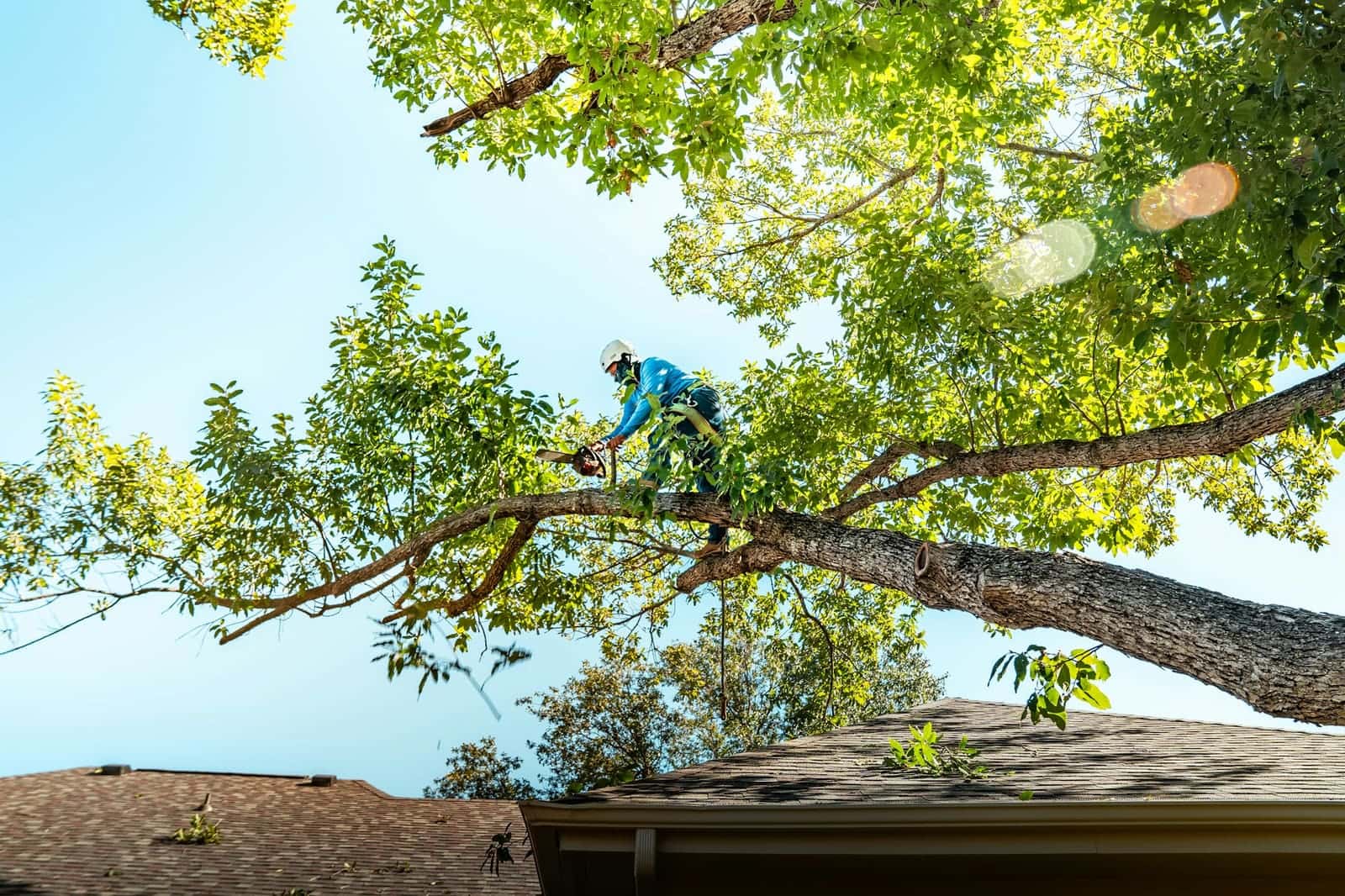
Hazardous trees are handled differently: if an Urban Forestry arborist confirms the tree is hazardous, it can be removed without the fee, and a Heritage Tree can only be removed if it's hazardous. Rowhouse backyards in Capitol Hill, Shaw and Petworth are small and fenced, so most removals are climbed, rigged and carried out by hand.
Reviewed and updated
Special Tree and Heritage Tree rules
- Special Trees (44 to 99.9 inches in circumference) require a DDOT Special Tree Removal Permit, applied for through the Transportation Online Permit System (TOPS).
- For non-hazardous Special Trees, the owner contributes $55 per inch of circumference to the Tree Fund (or plants replacements).
- Heritage Trees (100 inches or more) can't be removed unless hazardous.
- Violations carry fines of not less than $300 per inch of circumference. Street trees are managed by DDOT's Urban Forestry Division and need a separate permit.
Sources (checked 2026-10-01)
Rules change and details depend on your exact property. Confirm with the city or county before work starts. This isn't legal advice.
Working out whether your DC tree is a Special Tree
- 1
Measure around the trunk
Wrap a tape around the trunk 4.5 feet above the ground. Circumference, not diameter, is what DC's rules use.
- 2
Compare with the thresholds
44 to 99.9 inches makes it a Special Tree; 100 inches or more makes it a Heritage Tree.
- 3
Work out the fee
For a non-hazardous Special Tree, the Tree Fund contribution is $55 per inch of circumference: a 60-inch tree means $3,300, unless you plant replacements instead.
- 4
Document hazards
If the tree is hazardous, DDOT's Urban Forestry Division can confirm it, which changes what's required.
Storms and an aging canopy in DC
Derechos and summer storms
The June 2012 derecho brought down trees across the city; summer storms remain the main cause of emergencies.
Tropical remnants
Heavy rain and wind from remnant storms topple trees on saturated soil.
Aging street canopy
Older street trees in tight boxes have restricted roots and decline.
Emerald ash borer and lanternfly
Ash are declining; spotted lanternfly has reached the region.
Willow oaks, tulip poplars and elms in DC
- Willow oak
- Signature DC street tree; very large
- Tulip poplar
- Tall backyard and park tree; often Special-size
- Red maple
- Common street tree
- American elm
- Historic plantings on the Mall and avenues
- Callery pear
- Splits in wind and ice
Street trees, park trees and your yard
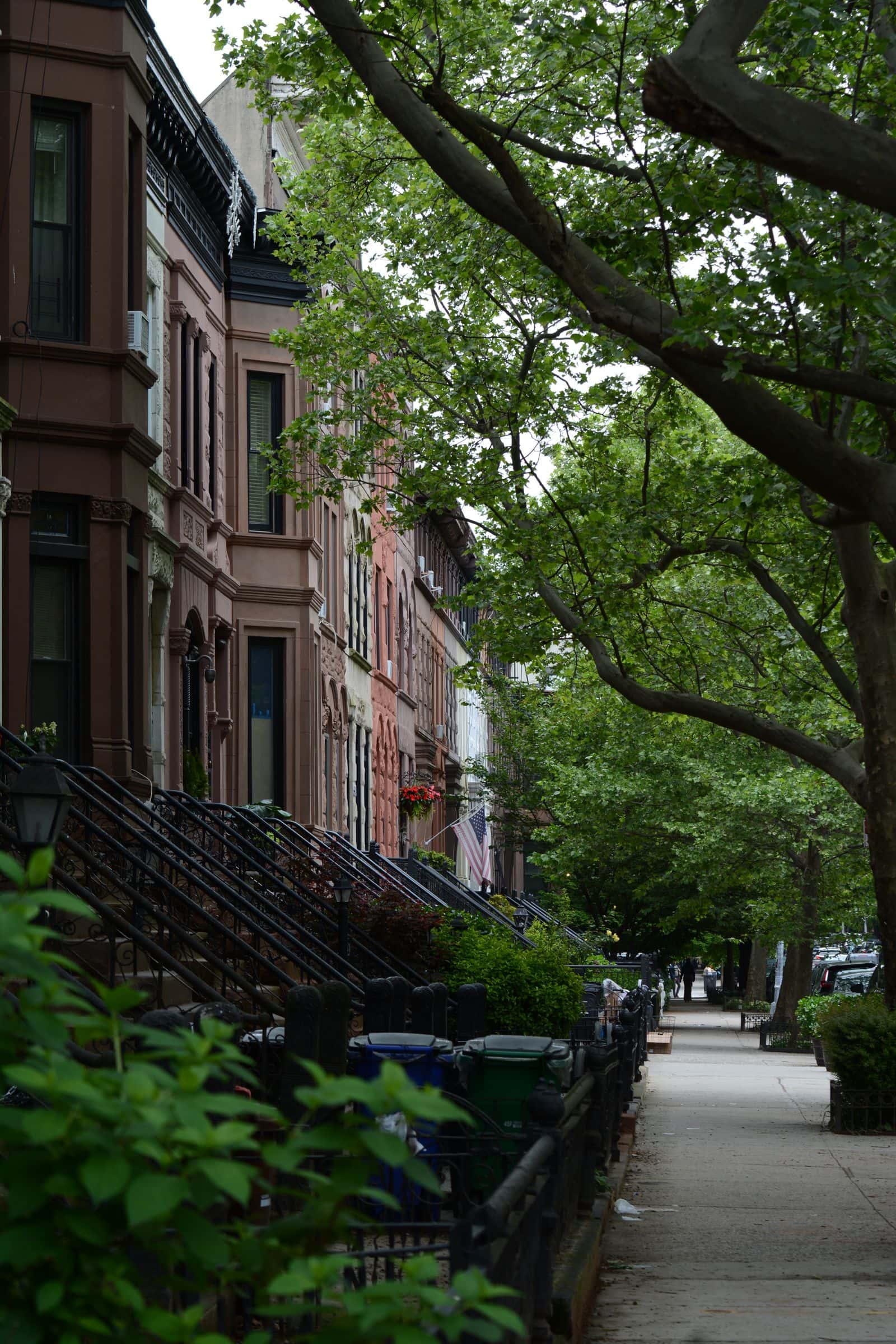
In DC, who handles a tree depends on whose land it's on. Street trees between the sidewalk and curb belong to DDOT's Urban Forestry Division, which plants, prunes and removes them; report problems through 311.
Much of the city's parkland, including Rock Creek Park and the parks along the Potomac and Anacostia, is federal land managed by the National Park Service, not the District. Trees in your own yard are yours, subject to the Special and Heritage Tree law.
DC's storm seasons
In DC, summer thunderstorms and derechos (like the one in June 2012) cause the most sudden tree damage, followed by tropical remnants in fall and occasional winter snow and ice.
- Summer
- Thunderstorm and derecho season
- Aug–Oct
- Tropical remnants
- Winter
- Dormant-season pruning and planned removals
DC services and the permit process
Special Tree permits and fees are part of most yard removals.
Documenting a hazardous Special or Heritage Tree.
Derecho and tropical remnant cleanup.
Pruning doesn't trigger the Special Tree fee, but street trees need DDOT's permit.
DC tree questions
How do I know if my DC tree is a Special Tree?
Measure around the trunk at 4.5 feet above ground. 44 inches or more (roughly 14 inches across) makes it a Special Tree. 100 inches or more makes it a Heritage Tree.
Can I remove a hazardous Heritage Tree in DC?
Yes, if DDOT's Urban Forestry Division confirms it's hazardous. Healthy Heritage Trees can't be removed. Apply through the TOPS system and have an arborist document the condition.
Who handles a fallen street tree in DC?
DDOT's Urban Forestry Division. Report it through 311. Call 911 or Pepco for anything on power lines, and stay clear.
Need tree help in District of Columbia?
Call to speak with a local tree-service provider about removal, trimming, stumps or storm damage. Describe the tree and what it's near, and they'll explain the next step.