
Northeast region
Tree removal and tree care in Massachusetts
In Massachusetts, public shade trees along streets are protected by state law (Chapter 87). They can't be cut down or removed without a permit from the local tree warden and a public hearing, and a written objection can stop the removal unless the mayor or select board approves it. Trees on private lots are generally the owner's call. Nor'easters, heavy wet snow and tropical remnants cause most storm damage.
City guides in Massachusetts
Every Massachusetts city and town has a tree warden who controls public shade trees, meaning trees within the public way or on its boundary. That includes many trees that look like they're in a front yard. Removal requires posted notice and a public hearing; in Boston, approved removals also carry a payment per inch of diameter into the parks fund.
Massachusetts is also where one of the country's largest Asian longhorned beetle outbreaks was found, in Worcester in 2008, leading to a regulated area and the removal of tens of thousands of host trees. The beetle was also found in a small number of trees in Boston in 2010. Maples are its favorite host.
Reviewed and updated
Nor'easters, snow and invasive beetles
Nor'easters
Wind, heavy snow and rain together bring down limbs and whole trees, especially along the coast.
Heavy wet snow
October and spring snowstorms on leafed trees cause widespread breakage.
Asian longhorned beetle
Worcester-area regulated zone; maples, birches and elms are hosts.
Tropical remnants
Late-summer storms bring saturated soil and wind.
Emerald ash borer
Established in Massachusetts.
Greater Boston, Central Mass, the Berkshires and the Cape
Greater Boston
- Main pressures
- Nor'easters, tight triple-decker lots, public shade tree hearings
Central Massachusetts (Worcester)
- Main pressures
- Asian longhorned beetle regulated area, maples
Western Massachusetts and the Berkshires
- Main pressures
- Ice and heavy snow on hardwoods, hilly lots
Cape Cod and the Islands
- Main pressures
- Salt wind, sandy soil, pitch pine and oak
Maples, oaks, pines and hemlocks in Massachusetts
- Norway and red maple
- Dominant street and yard trees; beetle hosts
- Northern red oak and white oak
- Large, long-lived shade trees
- White pine
- Tall; snow and wind breakage
- Honeylocust and London planetree
- Common city street trees
- Eastern hemlock
- Declining from hemlock woolly adelgid
Massachusetts city guides
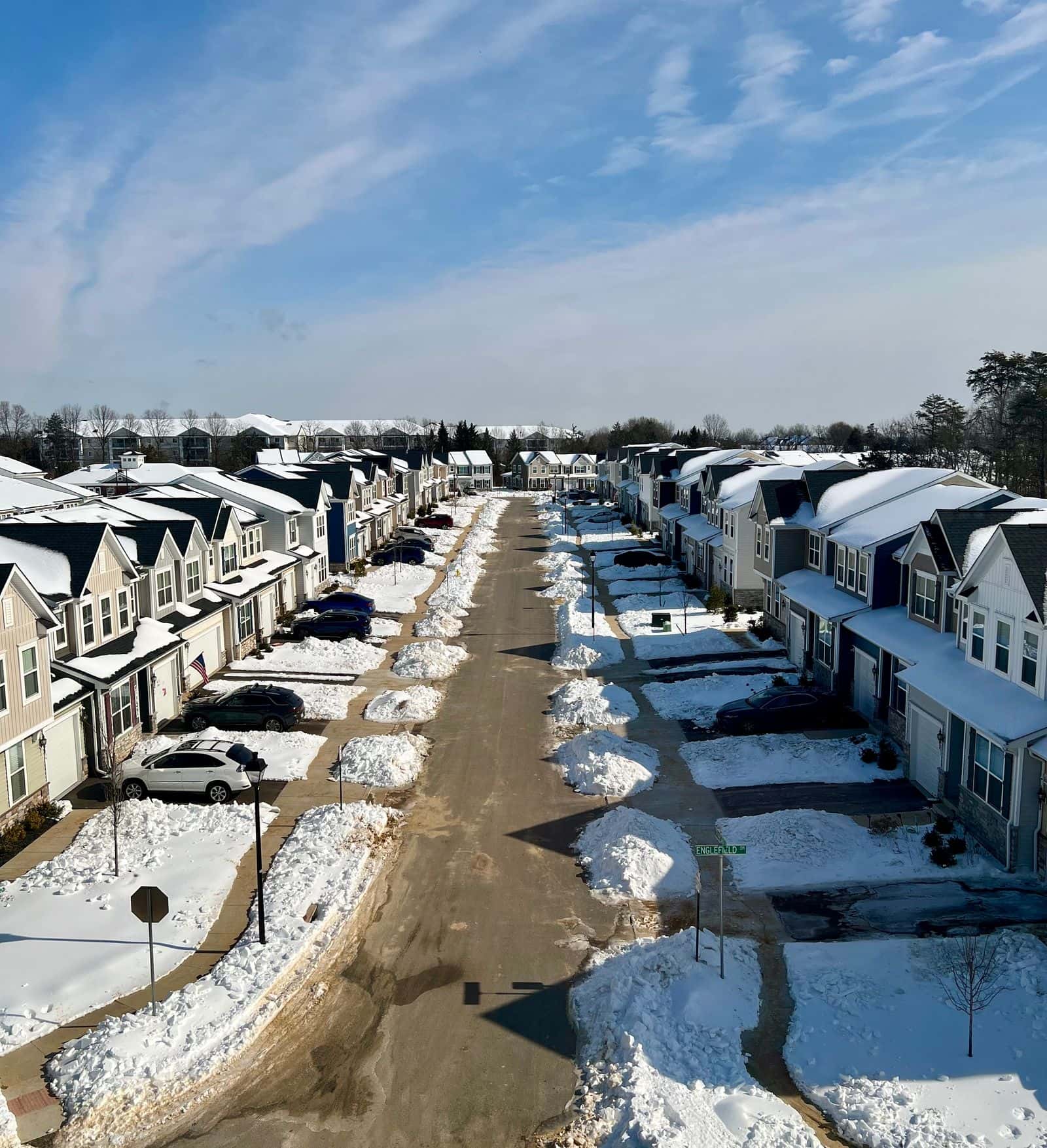
Boston's guide covers public shade trees and the hearing process state law requires before they're removed. Western Massachusetts adds ice storms and steep wooded lots, and Cape Cod adds nor'easters and salt.
Tree Warden hearings, triple-decker yards and nor'easters.
Massachusetts's storm and beetle seasons
Massachusetts gets nor'easters and heavy wet snow in winter, thunderstorms in summer and hurricane remnants in late summer and fall. Winter, with frozen ground, is the usual time for planned removals.
- Winter
- Nor'easters and heavy snow
- Spring–fall
- Watch for round exit holes on maples (Asian longhorned beetle)
- Aug–Oct
- Tropical remnants
Massachusetts's shade tree law
- Under M.G.L. Chapter 87, public shade trees may not be cut, trimmed or removed by anyone other than the tree warden or a deputy without a tree warden permit, and may not be cut down or removed without a public hearing.
- If anyone objects in writing at or before the hearing, the removal can't proceed unless approved by the select board or mayor.
- In Boston, requests go to the Tree Warden at Parks and Recreation; approved removals are at the requester's expense plus a per-inch payment into the parks fund.
Sources (checked 2026-10-01)
Rules change and details depend on your exact property. Confirm with the city or county before work starts. This isn't legal advice.
Massachusetts services by risk
Nor'easter and heavy snow damage.
Private trees; public shade trees need a hearing.
Documented opinions for hearings and disputes.
Ash and beetle-infested trees.
Massachusetts tree questions
Is the tree in front of my Massachusetts house a public shade tree?
If it's within the public way or on its boundary line, it likely is, even if it looks like part of your yard. Ask your town's tree warden before any work.
How do I spot Asian longhorned beetle?
Look for perfectly round exit holes about the size of a pencil, pits chewed into the bark, and sawdust-like frass at branch bases, especially on maples. Report suspected damage to state officials.
Which trees fail first in a Massachusetts nor'easter?
White pines and Norway maples with heavy crowns, and any tree with a cracked fork or decay, especially when wet snow arrives before leaves drop. Along the coast, the wind and saturated soil together can uproot trees that would ride out either one alone.
Need tree help in Massachusetts?
Call to speak with a local tree-service provider about removal, trimming, stumps or storm damage. Describe the tree and what it's near, and they'll explain the next step.