Southeast region
Tree removal and tree care in South Carolina
Hurricanes shape South Carolina's tree work, from Hugo in 1989 to Helene's inland destruction in 2024. On the coast, many cities protect large live oaks and other "grand trees": in the City of Charleston, removing a tree 24 inches or more in diameter, except pines and sweetgums, needs city approval. Inland, pines, water oaks and Callery pears drive most storm calls.
City guides in South Carolina
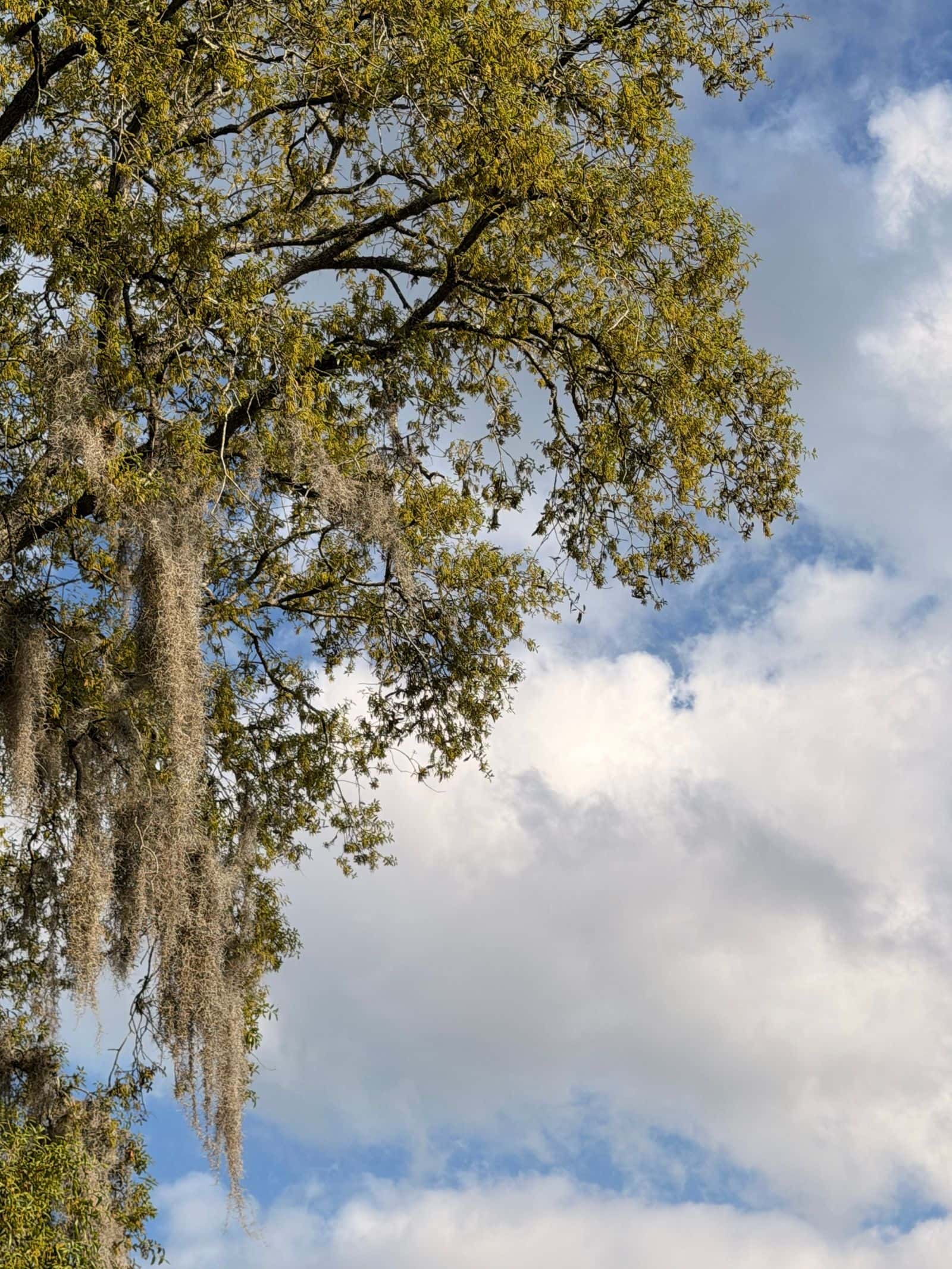
The Lowcountry's live oaks, often draped in Spanish moss, are long-lived and wind-firm, and coastal cities protect them. Pines are the opposite story: tall, wind-catching and lightning-prone, they're the most common storm casualty in Upstate and Midlands neighborhoods.
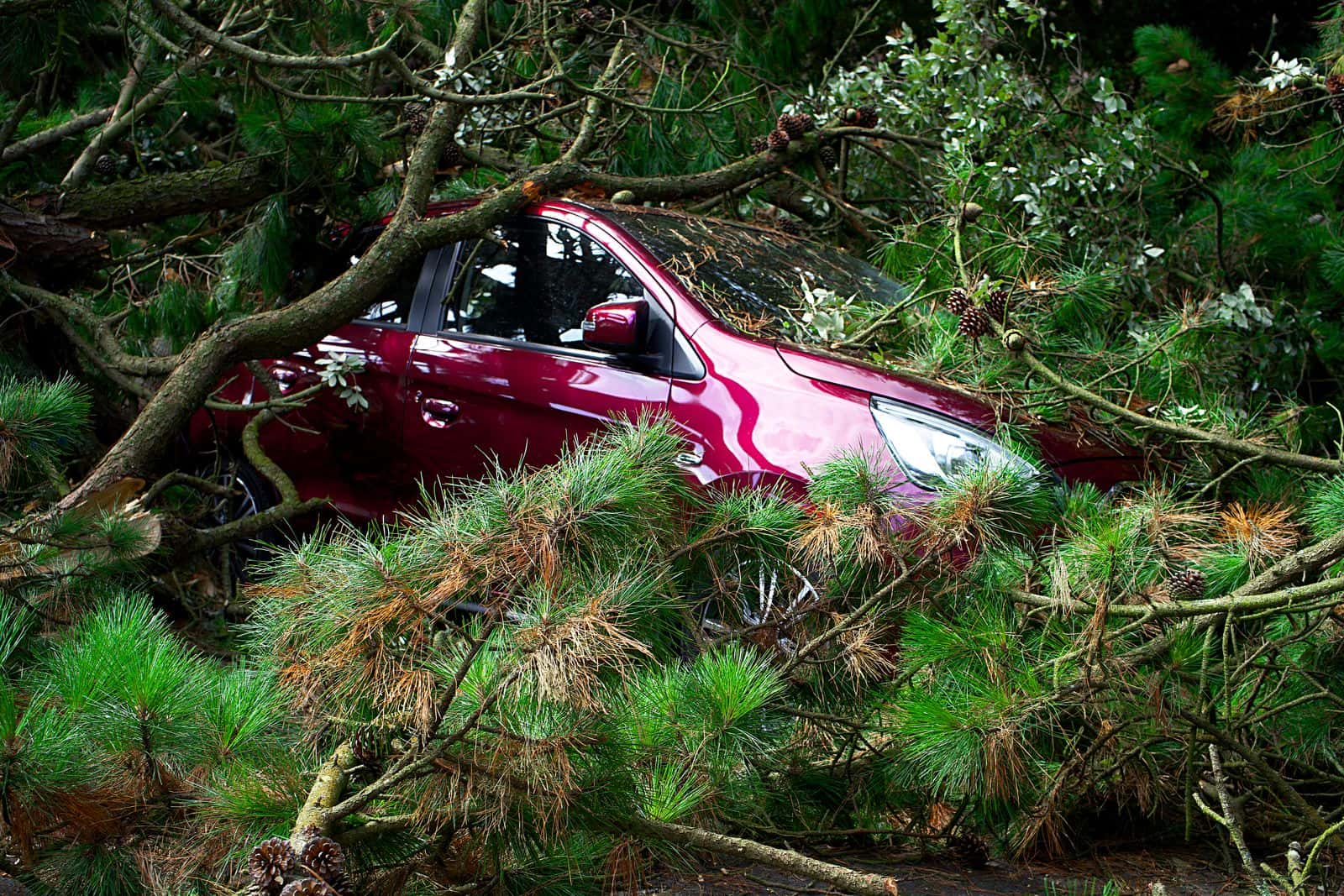
Hurricane Hugo in 1989 flattened forests from Charleston to Charlotte. In 2024, Helene's remnants brought extreme wind and rain to the Upstate, toppling pines and oaks onto homes across Greenville, Spartanburg and Aiken. Saturated sandy and clay soils both give way under sustained wind.
Reviewed and updated
Hurricanes, pines and saltwater in South Carolina
Hurricanes and tropical storms
Hugo (1989) and Helene (2024) caused widespread tree loss from the coast to the Upstate.
Tall pines
Loblolly pines catch wind and lightning and are frequent storm failures.
Southern pine beetle
Outbreaks kill pines, especially after drought or lightning.
Flooding and saltwater
Coastal flooding stresses and kills trees in low areas.
Water oak decay
Short-lived oaks develop internal rot.
Lowcountry, Midlands and Upstate
- The Lowcountry, from Charleston to Beaufort, protects its live oaks and deals with hurricanes, tidal flooding and salt.
- The Midlands around Columbia have sandy soil and many pines, which catch wind and lightning.
- The Upstate around Greenville and Spartanburg sits on red clay, sees ice storms, and took heavy damage when Helene's remnants passed through in 2024.
South Carolina's live oaks, palmettos and pines
- Southern live oak
- Wind-firm, protected in many coastal cities
- Loblolly and longleaf pine
- Wind, lightning and beetle risk
- Water and laurel oak
- Decay-prone; frequent storm failures
- Sabal palmetto
- The state tree; very wind-tolerant
- Sweetgum
- Common; excluded from Charleston's grand tree rule
South Carolina city guides
Charleston's guide covers its live oaks, grand tree protections and hurricane exposure. Columbia and the Midlands are hotter and drier with more pines, and the Upstate around Greenville sees ice storms that the coast rarely does.
Grand tree protections, hurricanes and king tides.
South Carolina's hurricane-season timing
South Carolina's hurricane season runs June 1 to November 30, with peak risk from August to October. Finish pruning and risky removals in winter and spring; once a storm is forecast, it's too late.
- June–November
- Hurricane season; prune deadwood early
- Summer
- Lightning and thunderstorm season
- Winter
- Best time for planned removals and structural pruning
South Carolina services by risk
Hurricane cleanup from the coast to the Upstate.
Pines near houses; grand trees need approval in Charleston.
Documentation for protected oaks.
Pines killed by beetles or salt.
South Carolina tree questions
Do I need permission to remove a live oak in Charleston?
If it's 24 inches or more in diameter, yes. It's a grand tree, and the city must approve removal. Hazardous or badly damaged trees are approved after inspection; healthy grand trees may need Board of Zoning Appeals review.
Why do so many pines fall in South Carolina storms?
Pines are tall with crowns high up, which catches wind, and they're often in sandy or saturated soil. Lightning-struck or beetle-damaged pines are especially likely to fail.
What did Helene show about Upstate trees?
That hurricanes aren't only a coastal problem. Helene's remnants arrived in September 2024 after heavy rain had already saturated the ground, and wind toppled large oaks and pines onto homes far inland. Trees with root damage or decay at the base were the most likely to fail.
Can saltwater flooding kill my trees?
Yes. Storm surge and tidal flooding push salt into the soil, and damage often shows up weeks or months later as browning and dieback. Live oaks and palmettos tolerate salt better than many other trees, but repeated flooding still stresses them.
Charleston's grand trees and local rules
- South Carolina has no statewide permit for removing trees on private property; coastal cities and counties often regulate large trees.
- City of Charleston: grand trees (24 inches or more in diameter at 4.5 feet, excluding pines and sweetgums) can't be removed without city approval. Hazardous, diseased or irreparably damaged trees are approved for removal after inspection.
Sources (checked 2026-10-01)
Rules change and details depend on your exact property. Confirm with the city or county before work starts. This isn't legal advice.
Need tree help in South Carolina?
Call to speak with a local tree-service provider about removal, trimming, stumps or storm damage. Describe the tree and what it's near, and they'll explain the next step.