Midwest region
Tree removal and tree care in North Dakota
North Dakota's trees live in one of the windiest, driest and coldest climates in the country, so most tree work involves wind and snow damage, aging shelterbelts that are dying from the inside out, and town trees heavy on ash and elm. Dutch elm disease still kills American elms, and the state is preparing for emerald ash borer because ash makes up a large share of community trees.
Shelterbelts and farmstead windbreaks, many planted decades ago, protect homes and fields from wind and drifting snow. Older rows of cottonwood, boxelder, elm and Siberian elm are now declining, and renovating them, removing dead trees and replanting, is a common project.
In towns like Fargo, Bismarck, Grand Forks and Minot, boulevard trees are dominated by ash, elm and a few other species, which makes them vulnerable to a single pest. Spring flooding along the Red River and other rivers can also leave trees with saturated or damaged roots.
Reviewed and updated
Shelterbelts at the end of their life
Many North Dakota windbreaks were planted in the mid-1900s with fast but short-lived trees like cottonwood, boxelder and Siberian elm. Those rows are now thinning, dropping limbs and leaving gaps that let wind and snow through. Renovation means removing the dead and dangerous trees, keeping the sound ones and planting replacements so the windbreak keeps protecting the farmstead.
Wind, old windbreaks, elms and ash
Wind and blizzards
Strong wind and heavy snow break limbs and tip trees.
Aging shelterbelts
Old windbreak rows die back and drop limbs near farmsteads.
Dutch elm disease
Still kills American elms in towns and along rivers.
Ash-heavy towns
Large share of ash leaves towns exposed to emerald ash borer.
North Dakota tree rules
- North Dakota has no statewide permit for removing trees on private property; cities such as Fargo and Bismarck manage boulevard trees and often require permits to work on them.
- The North Dakota Forest Service supports community forestry and windbreak renovation.
Sources (checked 2026-10-04)
Rules change and details depend on your exact property. Confirm with the city or county before work starts. This isn't legal advice.
Ash, elm, cottonwood and spruce
- Green ash
- Very common in towns and shelterbelts
- American elm
- Dutch elm disease
- Cottonwood
- Huge; limb drop and decay with age
- Boxelder and Siberian elm
- Weak wood in old windbreaks
- Colorado spruce
- Windbreaks and yards; needle diseases
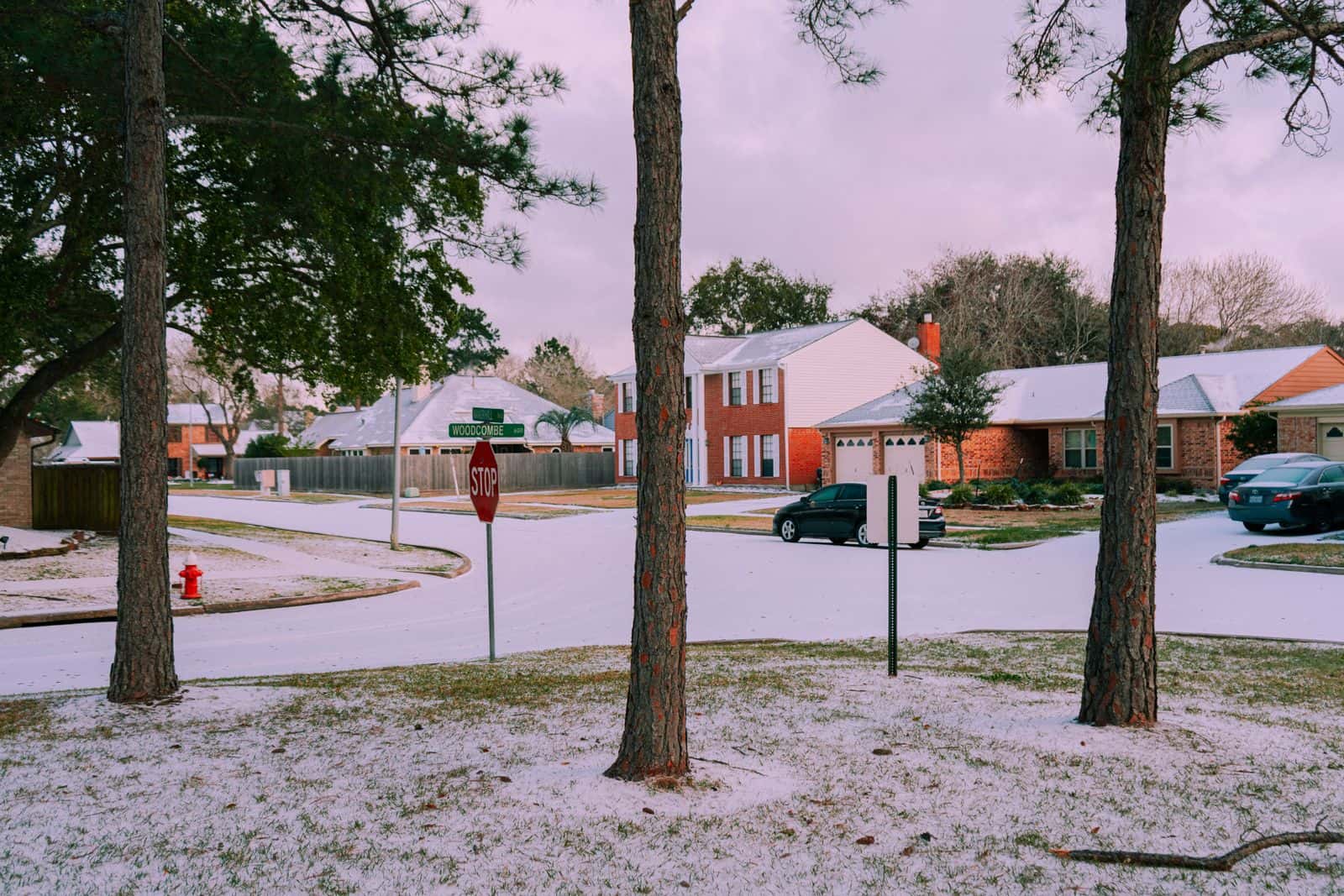
North Dakota services by need
Shelterbelt renovation on farmsteads.
For dying windbreak rows and elms.
After wind and blizzards.
Before replanting rows.
North Dakota's working calendar
Frozen winter ground makes it easier to bring equipment into shelterbelts and farmyards. Spring is flood and wet-snow season, and summer storms bring hail and wind.
- Winter
- Blizzards; frozen ground helps shelterbelt work
- Spring
- Flooding and wet snow
- Summer
- Thunderstorms, hail and drought stress
Planting after removal
- Mix species so one pest can't take every tree.
- Choose hardy species suited to your zone and soil.
- Replant windbreak gaps the next spring.
- Water new trees through their first dry summers.
North Dakota tree questions
Should I renovate or replace an old shelterbelt?
Often both: remove dead and dying trees, keep healthy rows and replant gaps or a new row so the windbreak keeps working.
Is emerald ash borer a concern in North Dakota?
Yes. Ash makes up a large share of community trees, so towns are planning for it. Plant other species when replacing trees.
Who handles boulevard trees in Fargo or Bismarck?
City forestry departments. Check before pruning or removing a tree between the sidewalk and street.
Can a Dutch elm disease tree be saved?
Rarely once symptoms spread; early pruning and treatment can sometimes help valuable elms.
When is the best time for tree removal in North Dakota?
Winter on frozen ground, especially for shelterbelts; storm-damaged trees near homes should be handled right away.
How much does tree removal cost in North Dakota?
Rural travel and large cottonwoods add cost. See the tree removal cost guide.
Need tree help in North Dakota?
Call to speak with a local tree-service provider about removal, trimming, stumps or storm damage. Describe the tree and what it's near, and they'll explain the next step.