
Desert Southwest region
Tree removal and tree care in New Mexico
New Mexico tree work is shaped by drought, beetles and fire. Piñon ips beetles have killed large numbers of drought-stressed piñons, and the state reported conifer deaths doubling between 2023 and 2024. In the wildland-urban interface, defensible-space guidance keeps conifers at least 30 feet from structures. In Albuquerque, Siberian elms are everywhere, and planting new ones has been illegal since 1996.
City guides in New Mexico
Years of drought, capped by an exceptionally warm, dry 2024–25 winter, left piñons too dry to produce the resin that defends against bark beetles. Piñon ips beetles have attacked and killed trees across the state, including in the Sandia and Manzano mountains next to Albuquerque. New Mexico State Forestry reported around 70,000 acres of dead conifers in its 2024 forest health report.
In towns, the most common big tree is often the Siberian elm, introduced in the early 20th century and now a weedy, brittle, pollen-heavy nuisance. Albuquerque's 1996 pollen ordinance made it illegal to plant new ones. Dead and beetle-killed trees near homes in fire-prone areas are both a fall hazard and fire fuel.
Reviewed and updated
Drought, beetles, fire and elms
Bark beetles in drought
Piñon ips beetles kill drought-stressed piñons; conifer deaths doubled 2023–2024.
Wildfire
Defensible space keeps conifers 30 ft from structures in the interface.
Siberian elm
Brittle, weedy and allergenic; planting banned in Albuquerque.
Wind
Spring winds break brittle elms and topple shallow-rooted trees.
Piñons, ponderosas, elms and cottonwoods
- Piñon pine
- State tree; beetle die-off in drought
- Ponderosa pine
- Mountain towns; fire and beetles
- Siberian elm
- Ubiquitous, brittle, banned from new planting in Albuquerque
- Cottonwood
- Rio Grande bosque; huge, heavy limbs
- Juniper
- Common; fire fuel near homes
Defensible space in New Mexico
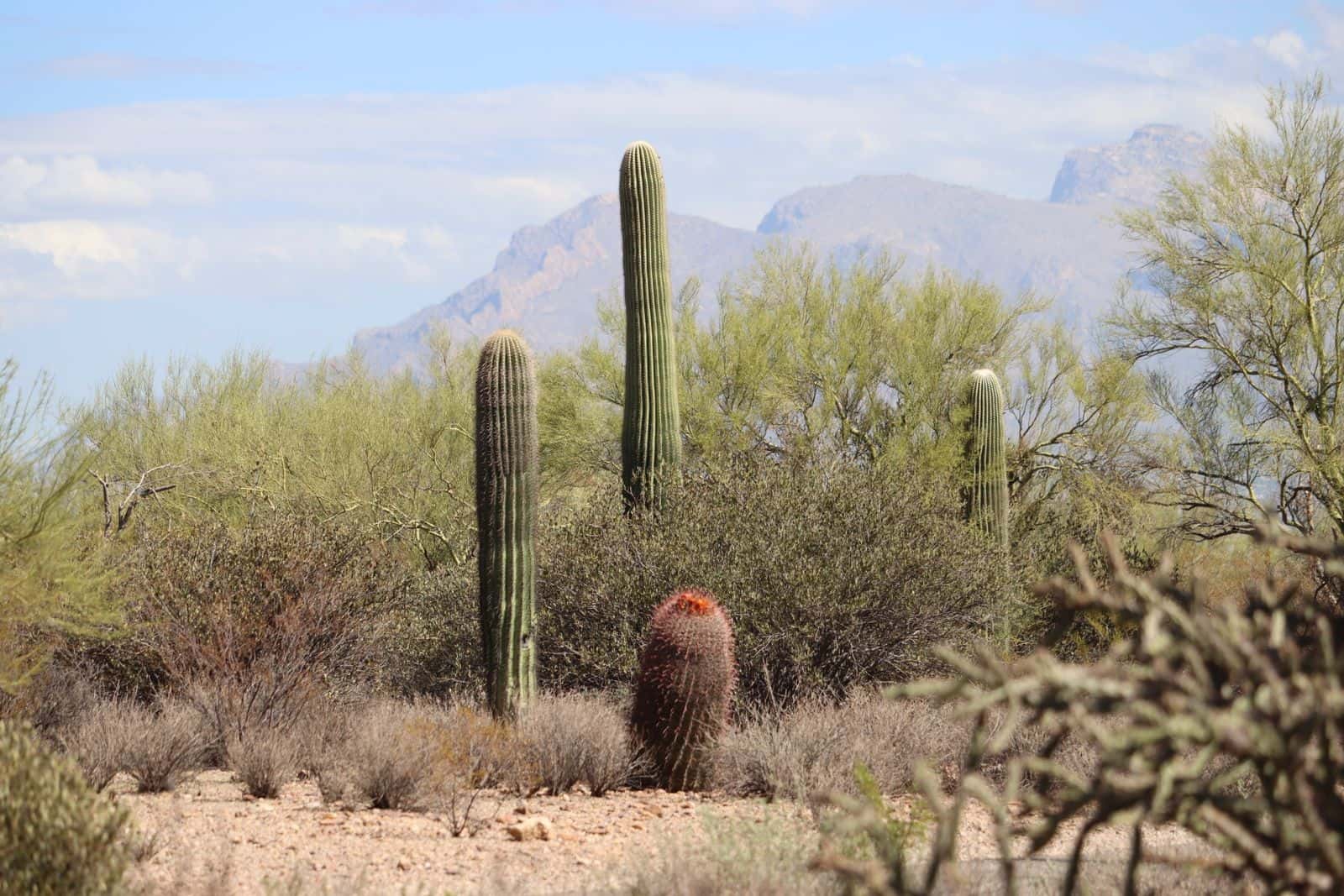
In the wildland-urban interface, from the East Mountains and Santa Fe to Los Alamos and Ruidoso, defensible space is the most important tree work. Guidance recommends no conifers within 30 feet of a structure, removing ladder fuels so fire can't climb into crowns, and clearing dead trees and branches near the house.
Beetle-killed piñons and ponderosas near homes are both fire fuel and fall hazards, so removing them serves both goals.
New Mexico tree questions
Why are piñon trees dying in New Mexico?
Drought leaves them unable to produce defensive resin, and piñon ips beetles attack and kill them.
How close can conifers be to my house in fire country?
Defensible-space guidance recommends no conifer trees within 30 feet of a structure.
Why are Siberian elms so common in New Mexico towns?
They were planted widely in the 20th century to green the high desert, and they spread aggressively by seed. Albuquerque has banned new plantings since 1996.
Should I remove a beetle-killed piñon near my house?
Yes. It's a fall hazard and fire fuel; remove it, ideally in winter.
Do I need a permit to remove a tree in New Mexico?
Not statewide for private yard trees; check city rules and HOAs.
Are cottonwoods safe near houses?
They grow huge with heavy limbs that can drop; give them room and have big ones checked.
New Mexico tree rules
- New Mexico has no statewide permit for removing trees on private residential lots.
- State and local defensible-space guidance recommends no conifer trees within 30 feet of a structure in fire-prone areas.
- Albuquerque's 1996 pollen ordinance made it illegal to plant Siberian elms.
Sources (checked 2026-10-03)
Rules change and details depend on your exact property. Confirm with the city or county before work starts. This isn't legal advice.
Albuquerque guidance
Albuquerque's guide covers Siberian elms and the pollen ordinance, the Rio Grande bosque cottonwoods, spring wind, and beetle-killed piñons in the foothills and East Mountains.
Siberian elms, pollen rules and cottonwoods.
New Mexico services by risk
For beetle-killed piñons and pines.
Removing ladder fuels and deadwood.
For Siberian elms near houses.
For big cottonwoods with heavy limbs.
New Mexico's seasons for tree work
- Spring
- Windy season; brittle limbs fail
- Summer
- Fire season and monsoon storms
- Winter
- Best time to remove beetle-killed trees and thin
Need tree help in New Mexico?
Call to speak with a local tree-service provider about removal, trimming, stumps or storm damage. Describe the tree and what it's near, and they'll explain the next step.