Tree services across Montana
Tree Removal & Tree Services in Montana
Get tree removal, wind and snow damage cleanup, conifer trimming, stump grinding and dead pine removal in Montana, from Billings and Missoula to Bozeman and Great Falls. Choose your service or city below, or call if you're not sure which option fits.
By calling, you agree that your call may be recorded and routed to an independent local tree-service provider, who may call or text you back about your request. Calling is free and does not obligate you to hire anyone. See our Privacy Policy.
Tree services available across Montana
- Tree Removal servicesTaking down a tree you no longer want or can't keep, in sections near buildings.
- Emergency Tree Removal servicesA tree on the house, car, driveway or a line, or one about to fall.
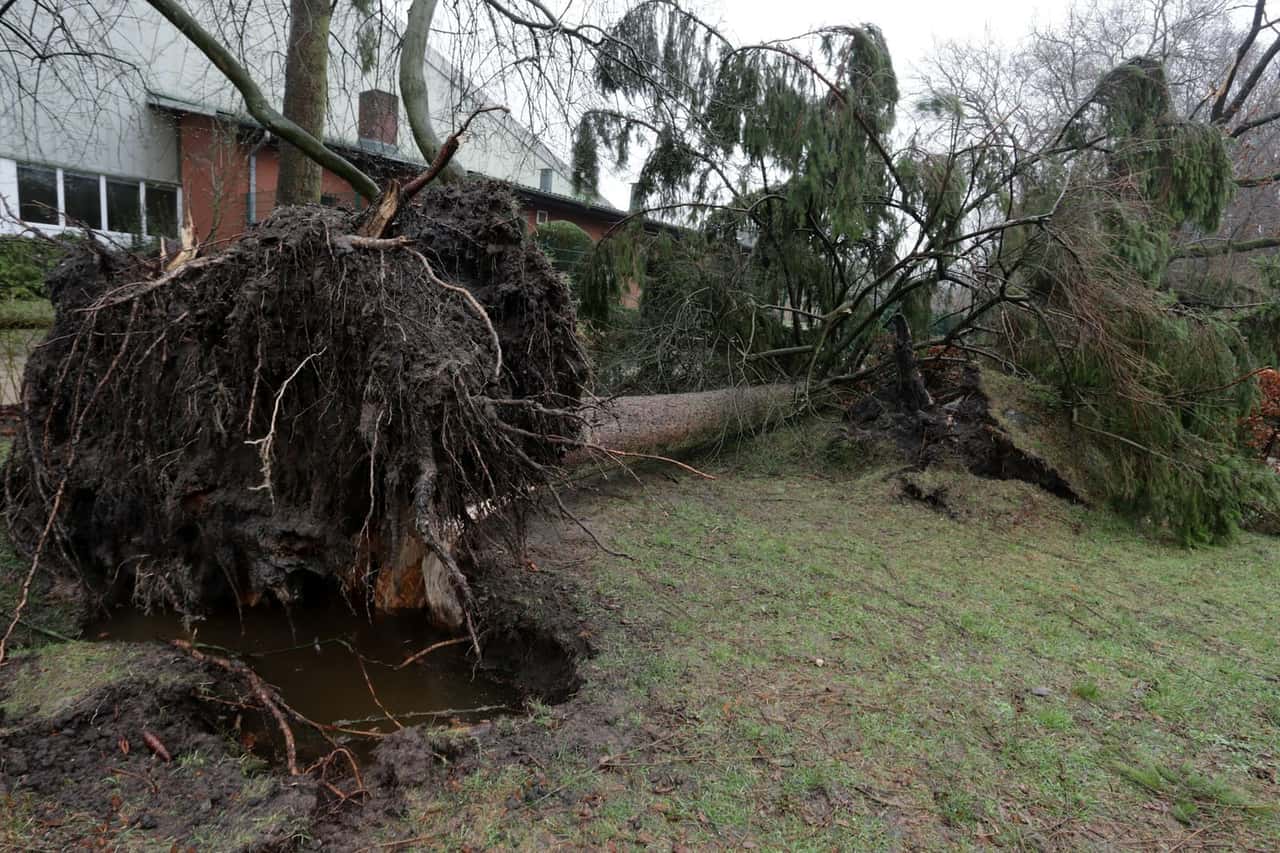
- Storm Damage Tree Removal servicesUprooted, split or snapped trees and hanging limbs after wind, ice or hurricanes.
- Tree Trimming & Pruning servicesPruning for clearance over roofs and drives, deadwood removal and storm preparation.
- Dead Tree Removal servicesDead or dying trees that turn brittle and get riskier to climb every season.
- Hazardous Tree Removal servicesLeaning, cracked or decayed trees that could hit something if they fail.
- Large Tree Removal servicesBig trees close to structures that need rigging or a crane.
- Stump Grinding & Removal servicesGrinding stumps below grade so you can replant, sod or build.
- Tree Risk Assessment servicesAn arborist's opinion on whether a tree can stay, before you remove it.
- Commercial Tree ServicesTree work for HOAs, property managers and commercial sites.
- Land Clearing servicesClearing brush, trees and stumps from a lot by mulching or excavation.
- Stump Removal servicesDigging out the stump and root ball where something will be built or planted.
- Tree Cutting servicesBringing a tree down safely: felled in one piece or cut down in sections.
- Palm Tree Removal servicesDead, diseased or unwanted palms, crown first, then the trunk.
- Oak Tree Removal servicesOaks with permits, oak wilt timing and heavy wood to plan around.
- Pine Tree Removal servicesTall, beetle-killed or storm-damaged pines near the house.
- Emergency Tree Trimming servicesBroken, hanging or cracked limbs over a roof, drive or path.
- Emergency Tree Cutting servicesCutting a fallen tree off a car, driveway, fence or road.
Call from anywhere in Montana and we'll connect you with a tree-service provider serving your area.
Call for tree serviceWhich tree service do you need in Montana?
| If… | Ask for |
|---|---|
| Tree is healthy, but branches are dead, broken or over the roof | Tree Trimming & Pruning services |
| Tree is dead, badly damaged or structurally unsafe | Tree Removal servicesDead Tree Removal servicesHazardous Tree Removal services |
| Tree has fallen, is on a structure or could fall any moment | Emergency Tree Removal services |
| Storm left broken, hanging or uprooted trees | Storm Damage Tree Removal services |
| Very large tree close to the house or other structures | Large Tree Removal services |
| Tree is gone but the stump is still there | Stump Grinding & Removal services |
| Not sure whether the tree needs to come down | Tree Risk Assessment services |
Need a tree removed in Montana?
Match what you're seeing to the service that fixes it.
- Dead tree near the houseDead Tree Removal servicesTree Removal services
- Tree leaning toward the houseHazardous Tree Removal servicesTree Risk Assessment servicesEmergency Tree Removal services
- Cracked or split trunkHazardous Tree Removal servicesTree Risk Assessment services
- Tree fell or broke in a stormStorm Damage Tree Removal servicesEmergency Tree Removal services
- Tree on the house or carEmergency Tree Removal services
- Fallen tree blocking the drivewayEmergency Tree Removal servicesStorm Damage Tree Removal services
- Broken or hanging limbsTree Trimming & Pruning servicesStorm Damage Tree Removal services
- Branches over the roofTree Trimming & Pruning services
- Roots lifting the driveway or near the foundationTree Removal servicesStump Grinding & Removal services
- Large tree too close to the houseLarge Tree Removal servicesTree Risk Assessment services
- Stump left after a removalStump Grinding & Removal services
Emergency tree service in Montana
Call now if you have any of these:
- A tree on the house, garage or car
- A fallen tree blocking the driveway or road
- A tree or limb touching a power line
- A tree leaning more than it did yesterday, with soil lifting
- Large broken limbs hanging over people or the roof
- A storm-damaged tree that could still fall
Lines first: if a tree touches a power line, stay at least 35 feet away and call the electric utility or 911 before anyone works on it.
What to confirm in a tree removal quote in Montana
Quotes differ mostly in what they include. Ask each provider to put these in writing so you can compare like for like:
- Cutting the tree down, and whether it's felled or taken down in sections
- Hauling the limbs, or chipping them and leaving the chips
- Hauling the trunk, or leaving rounds cut to firewood length
- Stump grinding: included or extra, and how deep
- Raking and blowing the work area
- Any permit or utility coordination
Before you call about a tree in Montana
These answers let a provider tell you on the first call what the job involves and roughly how it'll be done.
- Standing, leaning or down?
- And if leaning, whether the lean is new
- Dead or alive?
- Leaves, bare branches, falling bark
- Cracked or split?
- Trunk cracks, split forks, hanging limbs
- What it's touching or could hit
- Roof, car, fence, pool, a neighbor's property
- Power lines nearby?
- Including the line into the house
- Blocking access?
- Driveway, road, doors
- Rough size
- Taller than the house? Trunk thicker than a dinner plate?
- How to reach it
- Gate width, backyard access, slope, street parking
- Stump and wood
- Ground stump? Wood hauled or left?
- Photos
- Wide shot plus close-ups of damage, if asked
Safety and permission checks
- Power lines: stay at least 10 feet from overhead lines (OSHA's minimum distance for unqualified workers) and call the utility; only line-clearance-qualified tree workers cut closer.
- Underground lines: call 811 a few days before stump grinding or digging so buried utilities are marked for free.
- Permits: ask the city or county before removing or heavily pruning a large tree; protected-tree sizes and street-tree rules vary by place.
- Who is responsible: a tree on your lot is usually yours, street (right-of-way) trees are usually the city's, and trees on lines are the utility's to clear.
- Doing it yourself: picking up small fallen limbs is a homeowner job; chainsaw work off a ladder, near lines or on anything that could hit a building is not.
Have your answers ready? Call and we'll connect you with a provider serving your area.
Call for tree serviceHow getting tree service in Montana works
- 1
Tell us what's happening
Call and describe the tree, where it is and how urgent it is.
- 2
Get connected
Your call goes to an independent tree-service provider serving your area.
- 3
The tree is assessed
The provider looks at the tree, what's around it, and access for equipment.
- 4
Scope and price are discussed
You get the plan and price directly from the provider, before any work.
- 5
You decide
There's no obligation; you choose whether and when to go ahead.
TreeRemovalServices.net is a referral service and doesn't perform tree work. How it works
Local conditions
What can affect tree work in Montana
The storms, pests, trees and permit rules below explain which services are in most demand in Montana, and when.
Montana tree work comes from wind, beetles and fire. Downslope and Chinook winds east of the mountains topple trees, mountain pine beetle killed huge areas of lodgepole and ponderosa pine, and dead or crowded trees near homes in the wildland-urban interface raise wildfire risk. Early and late snow on leafed-out trees breaks limbs in towns like Billings and Missoula.
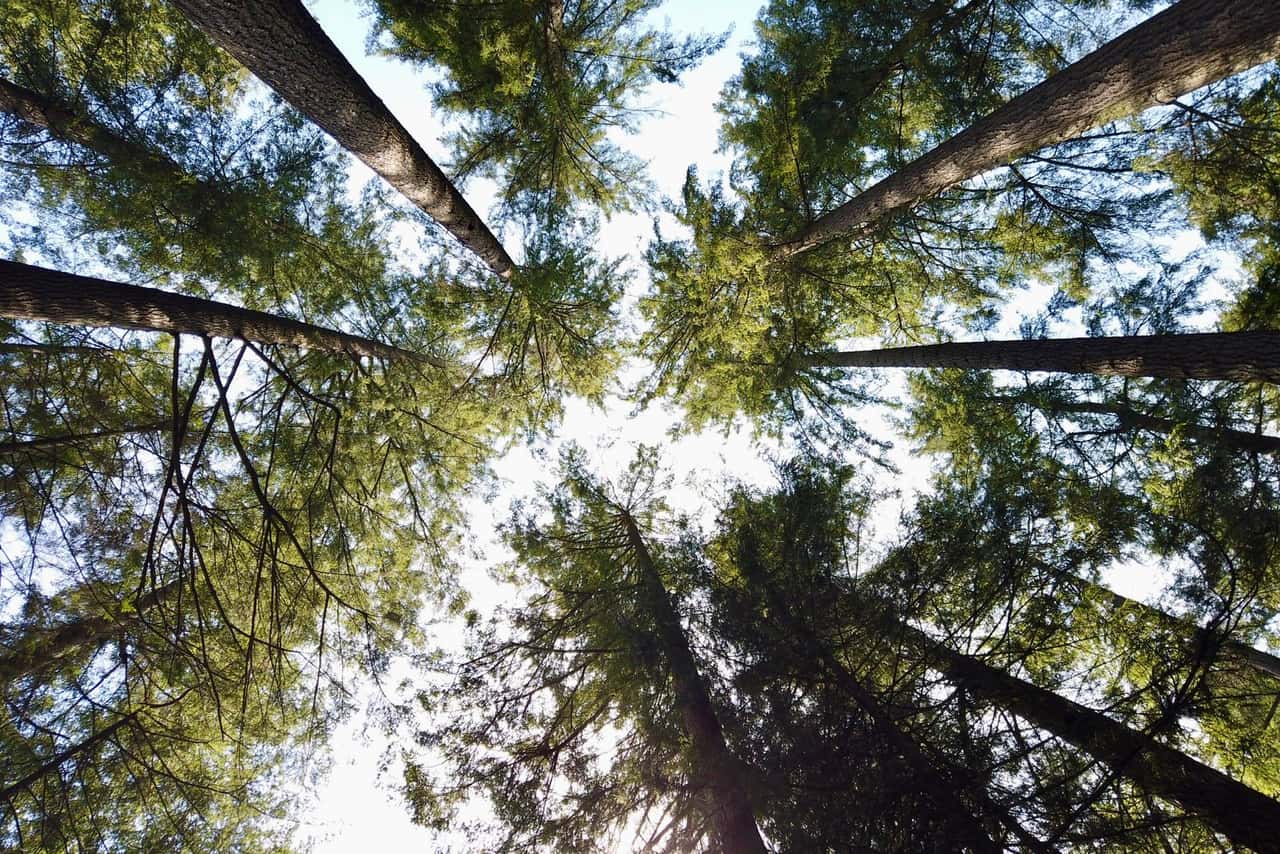
West of the Divide, homes in Missoula, Kalispell and Bozeman sit among ponderosa pine, Douglas-fir and lodgepole pine, where defensible space and beetle-killed trees are the main concerns. East of the mountains, towns like Billings and Great Falls depend on planted cottonwoods, green ash, elms and spruces that face strong wind and dry conditions.
Last updated
Wind, beetles and fire in Montana
Wind
Chinook and downslope winds topple trees and break limbs east of the mountains.
Mountain pine beetle
Killed large areas of lodgepole and ponderosa pine; dead pines stand and later fall.
Wildfire
Dead and crowded conifers near homes carry fire to structures.
Early and late snow
Snow on leafed-out trees breaks limbs in towns.
Two Montanas: forest towns and plains towns
Western Montana homes often sit in or beside conifer forest, where removing dead and crowded trees is both a safety and a fire question. Eastern towns rely on planted shade trees, mostly cottonwoods, green ash, elms and spruce, that grow in tougher, windier, drier conditions and need regular pruning to stay sound.
Pines, firs, cottonwoods and ash
- Ponderosa pine
- Western Montana; beetle and fire concerns
- Lodgepole pine
- Heavily hit by mountain pine beetle
- Douglas-fir
- Common near homes in the west
- Cottonwood
- Large in eastern towns and along rivers; limb drop
- Green ash and elm
- Planted shade trees in eastern towns
Defensible space checklist
- Remove dead trees and dead limbs within 30 feet of the house.
- Space conifer crowns so they don't touch.
- Prune lower limbs up from the ground.
- Move firewood away from the house.
Montana's snow and fire calendar
Snow can come in September and linger into May, breaking limbs on leafed-out trees in town. Summer is fire season, so dead pines near homes are best removed in the off-season.
- Spring and fall
- Wet snow on leafed-out trees
- Summer
- Wildfire season and thunderstorms
- Winter
- Chinook winds; planned removals
Montana services by risk
For beetle-killed pines.
After wind and early snow.
For cottonwoods and ash in town.
For big cottonwoods in town.
Montana tree rules
- Montana has no statewide permit for removing trees on private residential lots; cities such as Missoula and Billings manage boulevard trees and may require permits to work on them.
- The Montana DNRC provides guidance on wildfire defensible space and forest health for homeowners.
Sources (checked 2026-10-04)
Rules change and details depend on your exact property. Confirm with the city or county before work starts. This isn't legal advice.
Montana tree questions
Should I remove beetle-killed pines near my Montana home?
Yes when they can reach the house, driveway or lines. Dead pines eventually fall and add fire fuel.
How much defensible space do Montana homes need?
Guidance typically focuses on the first 30 feet around the home and thinning beyond that; your local fire district or DNRC office can advise on your lot.
Who handles boulevard trees in Montana cities?
Usually the city forestry department. Check before pruning or removing a tree between the sidewalk and street.
Why do cottonwoods drop limbs on calm days?
Large cottonwoods can shed heavy limbs without warning, especially in summer heat. Keep an eye on big limbs over roofs and play areas.
When is the best time for tree removal in Montana?
Late fall through winter for planned work; dead trees in fire-prone areas are best removed before summer.
How much does tree removal cost in Montana?
Rural access and travel can add cost. See tree removal cost factors.
Tree services in Montana
- Tree Removal in Montana
- Emergency Tree Removal in Montana
- Storm Damage Tree Removal in Montana
- Tree Trimming & Pruning in Montana
- Stump Grinding & Removal in Montana
- Dead Tree Removal in Montana
- Hazardous Tree Removal in Montana
- Large Tree Removal in Montana
- Tree Risk Assessment in Montana
- Commercial Tree Services in Montana
- Land Clearing in Montana
- Stump Removal in Montana
- Tree Cutting in Montana
- Palm Tree Removal in Montana
- Oak Tree Removal in Montana
- Pine Tree Removal in Montana
- Emergency Tree Trimming in Montana
- Emergency Tree Cutting in Montana
Need tree service in Montana?
Call to speak with a local tree-service provider about removal, trimming, stumps or storm damage. Describe the tree and what it's near, and they'll explain the next step.
By calling, you agree that your call may be recorded and routed to an independent local tree-service provider, who may call or text you back about your request. Calling is free and does not obligate you to hire anyone. See our Privacy Policy.