West Coast region
Tree removal and tree care in California
California tree work is shaped by drought, wildfire and strict local ordinances. Years of drought and bark beetles have killed large numbers of trees. Homes in fire-prone areas must maintain defensible space. Many cities, including Los Angeles and Sacramento, protect native oaks and other species with permit requirements that apply even on private property.
City guides in California
The U.S. Forest Service estimated that roughly 129 million trees died across California's forests during the 2010–2017 drought and bark beetle outbreak, most of them in the Sierra Nevada. In cities, drought shows up as dieback in thirsty non-natives, weakened root systems, and limb drop in summer, including "summer branch drop" in some species on hot, still days.
Wind is the other big driver. Santa Ana winds in Southern California and Diablo winds in the Bay Area blow from the dry interior toward the coast, often in fall and winter, and topple eucalyptus, pines and shallow-rooted trees. Winter atmospheric-river storms saturate soils and bring down trees across the state.
Reviewed and updated
Drought, fire and wind: California's tree risks
Drought and bark beetles
Stressed pines and other conifers are attacked by bark beetles; dead trees near homes and roads become priority removals.
Wildfire
State law requires defensible space around structures in many fire-prone areas, which often means limbing up, thinning and removing dead vegetation near the home.
Offshore wind events
Santa Ana and Diablo winds topple eucalyptus and pines and cause power shutoffs for fire safety.
Atmospheric rivers
Very wet winter storms saturate soils and uproot large trees, as in the storms of early 2023.
Protected natives
Native oaks, sycamores and others are protected in many cities; removal without a permit can bring heavy penalties.
From the coast to the Sierra: how California's tree work differs
Southern California coast and valleys
- Main pressures
- Santa Ana winds, drought, palms and eucalyptus
- What homeowners deal with
- Palm maintenance, eucalyptus limb drop, fire clearance
Central Valley (Sacramento, Fresno)
- Main pressures
- Hot, dry summers, winter storms on saturated soil
- What homeowners deal with
- Protected valley oaks, big aging street trees
Bay Area and North Coast
- Main pressures
- Atmospheric rivers, sudden oak death in coastal oaks
- What homeowners deal with
- Storm-toppled trees, oak disease decisions
Sierra foothills and mountains
- Main pressures
- Beetle-killed pines, wildfire
- What homeowners deal with
- Dead pine removal, defensible space
Oaks, palms, eucalyptus and pines in California
- Coast live oak and valley oak
- Protected in many jurisdictions; sensitive to summer watering and root damage
- Eucalyptus
- Large, heavy limbs, fire-prone bark; frequent wind failures
- Canary Island and Mexican fan palms
- Common in Southern California; need regular dead-frond removal
- Monterey and Aleppo pine
- Pests and drought stress; wind failures
- Western sycamore
- Protected in Los Angeles; subject to anthracnose
- Coast redwood (in cities)
- Planted widely; struggles with drought inland
California's oak protections and local rules
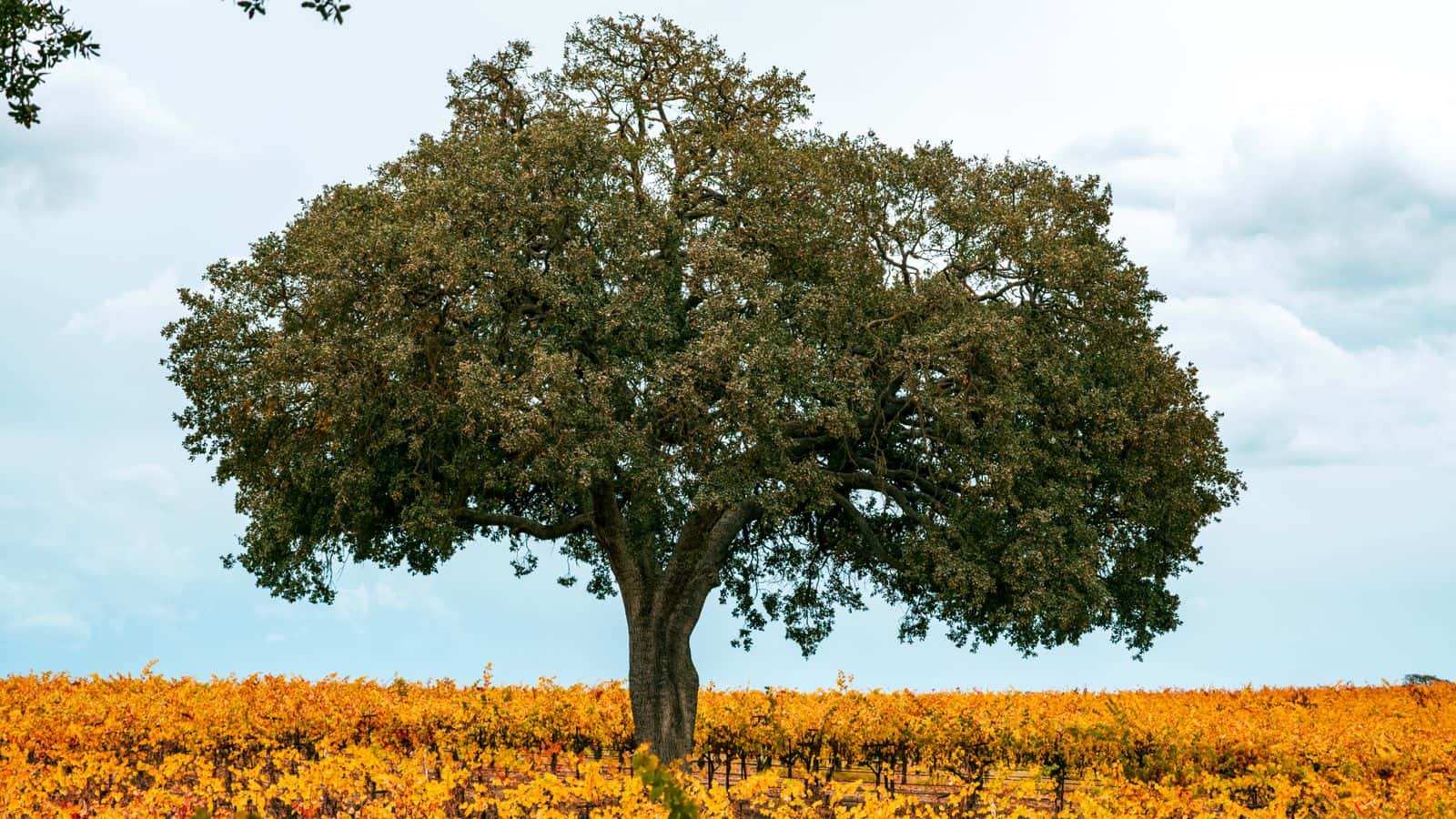
- Los Angeles protects native oaks (except scrub oak), Southern California black walnut, western sycamore and California bay laurel measuring 4 inches or more in cumulative diameter, plus two native shrubs; removal requires a permit from the city's Urban Forestry Division.
- Sacramento protects native oaks, California buckeye and California sycamore 12 inches DSH and larger on private property, plus trees 24 inches and larger on undeveloped, commercial and multifamily properties.
- In State Responsibility Areas and very high fire hazard severity zones, California law (Public Resources Code 4291) requires defensible space around structures.
Sources (checked 2026-10-01)
Rules change and details depend on your exact property. Confirm with the city or county before work starts. This isn't legal advice.
California city guides
California's city guides differ more than most states' because the climates do: Los Angeles deals with palms, eucalyptus and Santa Ana winds, San Diego with coastal canyons and fire-adjacent lots, and Sacramento with a dense, aging street canopy that winter storms test. Each city sets its own tree rules.
Protected native trees, palms and fire-season clearance.
Eucalyptus, canyon lots and the palm weevil.
The City of Trees' protected oaks and winter storms.
When California tree work fits the season
- Winter
- Dormant pruning for deciduous trees; atmospheric-river storms and saturated soils
- Spring
- Defensible-space work ahead of fire season
- Summer–Fall
- Drought stress, summer limb drop, fire season; offshore wind events from fall into winter
California services matched to its risks
Drought- and beetle-killed trees, especially pines.
Palm fronds, eucalyptus weight reduction and fire clearance.
The reports cities ask for with protected-tree permits.
Tall eucalyptus and hillside crane jobs.
California questions: oaks, defensible space and limb drop
Can I remove an oak tree on my property in California?
Often not without a permit. Many California cities and counties protect native oaks above a size threshold, and Los Angeles protects them from 4 inches in diameter. Check your city and county rules first; penalties for unpermitted removal can be substantial.
What is defensible space?
The zone around a structure where vegetation is managed to slow a fire. State law requires up to 100 feet in covered areas. Near the house that means removing dead plants and branches, keeping trees away from the roof and chimney, and spacing vegetation.
Why do California trees drop limbs on calm summer days?
"Summer branch drop" is a poorly understood failure seen in some species (including oaks, eucalyptus and sycamores) during hot, still weather. Mature limbs over patios and parking areas are worth having an arborist evaluate.
Need tree help in California?
Call to speak with a local tree-service provider about removal, trimming, stumps or storm damage. Describe the tree and what it's near, and they'll explain the next step.