
South Central region
Tree removal and tree care in Oklahoma
Oklahoma's trees face ice, wind and drought. The December 2007 ice storm left about 3 million cubic yards of debris in Tulsa alone, and the October 2020 ice storm hit central Oklahoma while trees still had leaves. Tornadoes and straight-line winds add spring damage. Private-lot removals generally don't need a permit; in Tulsa, owners are responsible for trees in the right-of-way next to their property.
City guides in Oklahoma
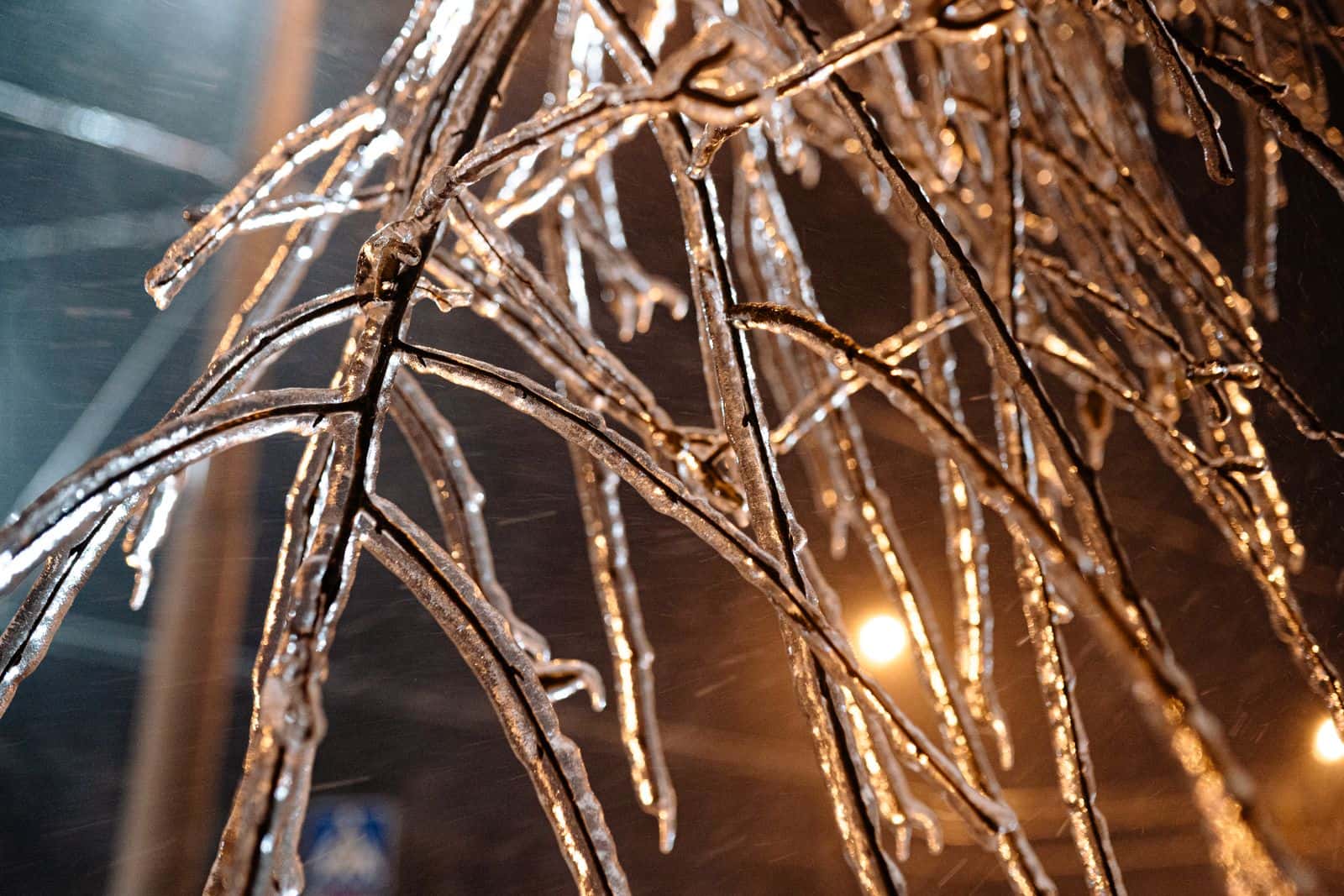
Ice on leafed-out trees is the worst case, and that's what happened in late October 2020, when up to two inches of ice coated central Oklahoma before leaves had dropped. Limbs snapped across Oklahoma City and Norman, and hundreds of thousands lost power.
Oklahoma's native trees, like post oak, blackjack oak, bur oak and hackberry, handle wind and drought reasonably well. Planted Bradford pears, silver maples and Siberian elms don't, and they make up a large share of storm cleanup in cities.
Responsibility for street-side trees also differs by city. In Tulsa, owners maintain the trees in the right-of-way beside their property, so post-storm cleanup there usually falls to the homeowner. Elsewhere, check with your city before cutting anything between the sidewalk and the street, since some cities treat those trees as public property.
Reviewed and updated
Ice, tornadoes and drought in Oklahoma
Ice storms
December 2007 (Tulsa) and October 2020 (central Oklahoma) are the benchmarks.
Tornadoes
Spring tornadoes destroy trees along their paths.
Straight-line winds and hail
Severe thunderstorms strip and snap trees.
Drought
Extended dry periods weaken trees before storms.
Weak-wooded planted trees
Bradford pear, silver maple and Siberian elm fail first.
Oklahoma City, Tulsa and western Oklahoma
- Central Oklahoma around Oklahoma City took the October 2020 ice storm on leafed-out trees.
- Northeast Oklahoma around Tulsa remembers the December 2007 ice storm, and owners there maintain right-of-way trees themselves.
- Western Oklahoma has fewer large trees, more wind and drought, and eastern redcedar spreading into grassland as a wildfire fuel.
Tulsa's right-of-way responsibilities
- Oklahoma has no state tree permit; Tulsa goes the other way from many cities by making owners responsible for right-of-way trees next to their property.
- In Tulsa, property owners are responsible for the care and maintenance of trees and vegetation in the right-of-way abutting their property, including removing dead or damaged trees. Planting in the right-of-way needs a city permit.
Sources (checked 2026-10-01)
Rules change and details depend on your exact property. Confirm with the city or county before work starts. This isn't legal advice.
Oklahoma's ice and tornado seasons
Oklahoma's ice storms come in winter and its tornado season peaks in spring. Pruning weak and overextended limbs in late fall, after leaf drop and before ice season, gives the most protection.
- Oct–Mar
- Ice storm season, including early-season ice on leafed trees
- April–June
- Peak tornado and severe-storm season
- Summer
- Heat and drought stress
Post oaks, pears, maples and redcedar
- Post and blackjack oak
- Native Cross Timbers oaks; drought-tolerant
- Bradford pear
- Splits in ice and wind
- Silver maple
- Brittle; ice breakage
- Pecan
- Large limbs; storm breakage
- Eastern redcedar
- Spreading invasively in grasslands; wildfire fuel
Oklahoma city guides
Tulsa's guide covers ice storms and the right-of-way strip owners maintain. Oklahoma City shares the ice and tornado risk with flatter, windier ground, and southeast Oklahoma's pine forests are closer to Arkansas than to the plains.
Owner-maintained right-of-way trees and the 2007 ice storm.
Oklahoma services by risk
Ice storm and tornado cleanup.
Split Bradford pears and failing silver maples.
Weak forks and deadwood out before ice season.
Drought losses and dead right-of-way trees.
Oklahoma tree questions
Why was the October 2020 ice storm so damaging?
Trees still had their leaves. Leaves catch far more ice than bare branches, so the load on limbs was much greater than in a midwinter storm.
Should I replace my Bradford pear in Oklahoma?
Many Oklahomans are. Bradford pears split badly in ice and wind and spread invasively. Native oaks, cedar elm and other sturdier species hold up better.
Is eastern redcedar a problem near my Oklahoma home?
It can be. Redcedar has spread across Oklahoma's grasslands and burns intensely in wildfires, so dense cedars close to a house raise fire risk. Thinning or removing them near structures is common advice on rural and edge-of-town properties.
How do I prepare trees for Oklahoma ice season?
In fall, have weak forks, dead limbs and badly split branches removed, especially on pears, silver maples and elms over the house or lines. Healthy, well-structured trees generally carry ice far better.
Need tree help in Oklahoma?
Call to speak with a local tree-service provider about removal, trimming, stumps or storm damage. Describe the tree and what it's near, and they'll explain the next step.