
Southeast region
Tree removal and tree care in Mississippi
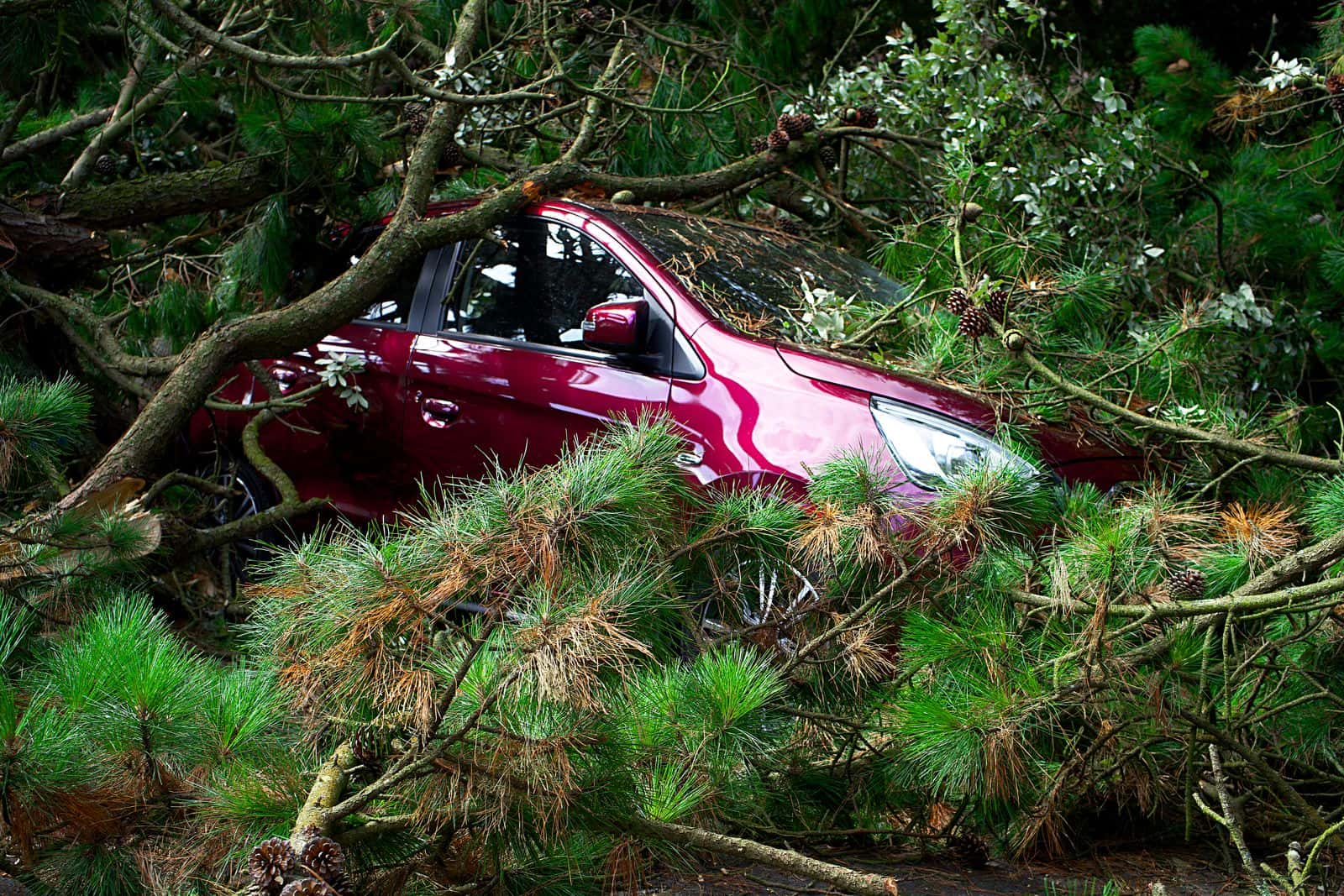
Mississippi's tree emergencies come from hurricanes on the Gulf Coast and tornadoes everywhere. Hurricane Katrina killed an estimated 54 million trees and damaged 521 million more statewide, per the Mississippi Forestry Commission. The March 24, 2023 EF-4 tornado through Rolling Fork uprooted decades-old trees onto homes. Tall pines and aging water oaks are the most common storm failures.
Katrina in 2005 damaged timber on about 1.2 million acres and caused an estimated $1.1 billion in urban and community tree damage. Fallen and broken trees left so much debris that wildfire risk in south Mississippi rose to 10 to 20 times normal levels. The storm shaped how Mississippi communities think about tree risk and replanting.
Tornadoes strike far inland too. The March 24, 2023 EF-4 tornado through Rolling Fork shredded the town and pulled decades-old trees out by the roots onto homes and vehicles. Across the state, loblolly pines and short-lived water oaks near houses are the trees most likely to fail in wind.
Reviewed and updated
Hurricanes, tornadoes and fallen pines
Hurricanes
Katrina killed an estimated 54 million trees and damaged 521 million.
Tornadoes
The 2023 Rolling Fork EF-4 uprooted decades-old trees onto homes.
Storm debris and fire
Downed timber after big storms raises wildfire risk.
Pines near houses
Tall loblollies snap and uproot in wind.
Gulf Coast, Pine Belt and Delta
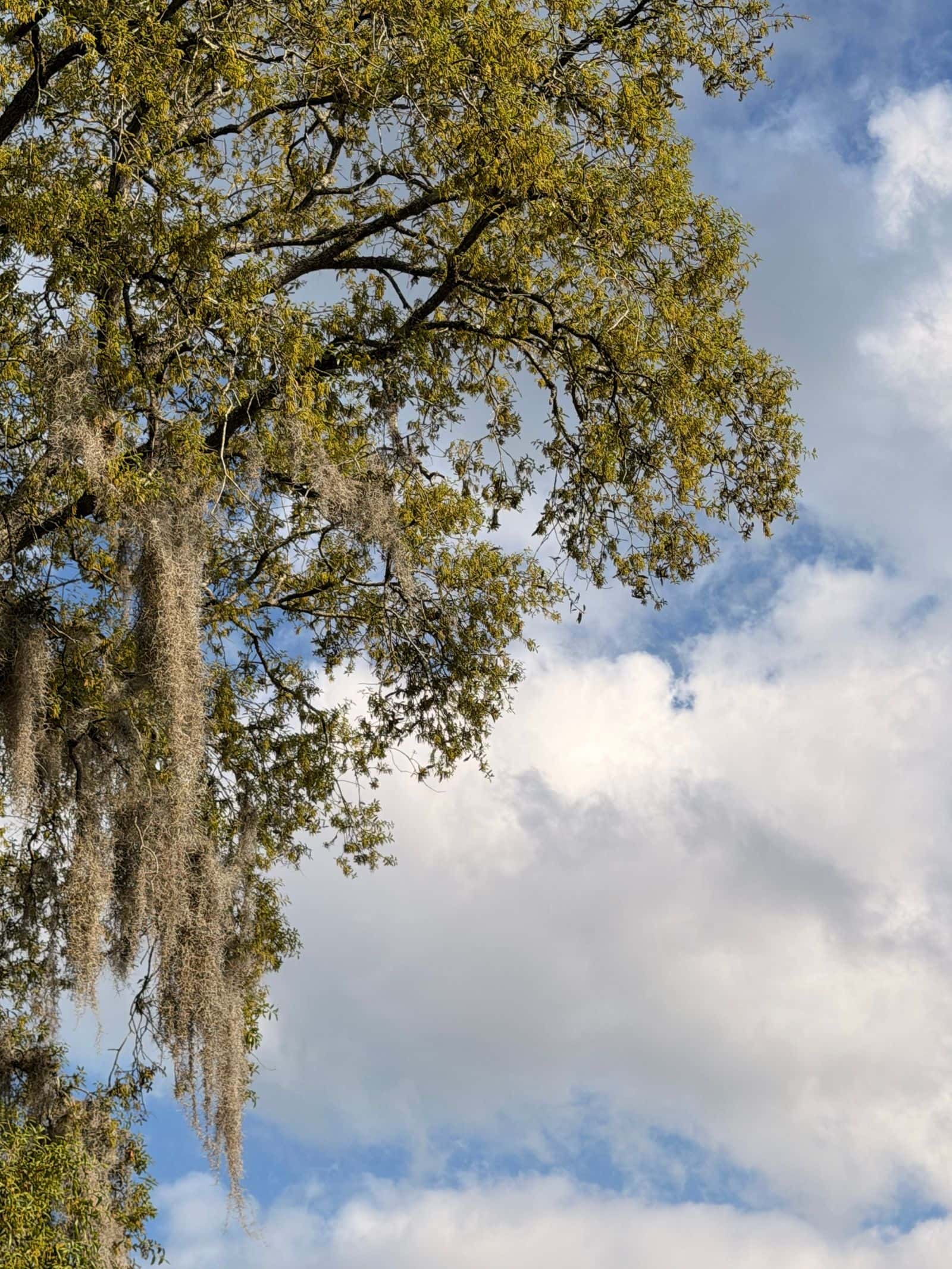
- The Gulf Coast takes direct hurricane hits and salt spray; live oaks and pines dominate.
- The Pine Belt around Hattiesburg is loblolly and longleaf country, where Katrina's winds reached far inland.
- The Delta in the northwest is flat and open, with big hardwoods and tornado exposure.
Mississippi tree questions
How many trees did Mississippi lose in Hurricane Katrina?
The Mississippi Forestry Commission estimated 54 million trees killed and 521 million damaged statewide.
Do tornadoes uproot trees in Mississippi?
Yes. The 2023 Rolling Fork EF-4 pulled decades-old trees out by the roots onto homes and vehicles.
Which Mississippi trees fail most in storms?
Tall loblolly pines and short-lived water and laurel oaks near houses.
Do I need a permit to remove a tree in Mississippi?
Not statewide for private yard trees; check your city.
Why does storm debris increase fire risk?
Broken and fallen trees add huge amounts of dry fuel; after Katrina, south Mississippi's fuel loads were 10 to 20 times normal.
Is the southern magnolia safe in storms?
It's dense and evergreen, generally holds up, but its leaves catch ice in rare winter storms.
Pines, oaks, magnolias and pecans
- Loblolly and longleaf pine
- Tall; wind and beetle risk
- Southern live oak
- Wind-firm; coastal
- Water and laurel oak
- Short-lived, decay-prone
- Southern magnolia
- State tree; dense evergreen
- Pecan
- Heavy limbs; storm breakage
Mississippi's storm seasons
Mississippi faces tornadoes in spring and again in late fall, and hurricanes from June through November, with the coast most exposed. Remove dead and decaying trees near houses before either season starts.
- Spring
- Peak tornado season
- June–November
- Hurricane season, especially on the coast
- Late fall
- Secondary tornado season
Mississippi services by risk
After hurricanes and tornadoes.
For trees on houses and lines.
For leaning pines and decaying oaks.
After storm removals.
Mississippi tree rules
- Mississippi has no statewide permit for removing trees on private residential lots; cities set their own rules.
- After Katrina, the Mississippi Forestry Commission provided grants to communities for tree replacement and remediation.
Sources (checked 2026-10-03)
Rules change and details depend on your exact property. Confirm with the city or county before work starts. This isn't legal advice.
Lessons from Katrina and Rolling Fork
Katrina showed how much damage hurricane winds do far inland: the storm damaged timber on about 1.2 million acres and caused an estimated $1.1 billion in urban and community tree damage. Rolling Fork showed how a single tornado can uproot decades-old trees onto homes.
The practical lessons are the same: remove dead and decaying trees near houses before storm season, keep tall pines' lean and health in check, and plant wind-firm species like live oak with room to grow.
Need tree help in Mississippi?
Call to speak with a local tree-service provider about removal, trimming, stumps or storm damage. Describe the tree and what it's near, and they'll explain the next step.