

Miami, FL · Miami-Dade County
Tree removal in Miami
In Miami, tree decisions revolve around hurricane season and county permits. Miami-Dade County requires a permit for most tree removals under Chapter 24, though certain non-specimen trees in single-family yards are exempt. Florida's §163.045 also lets homeowners remove a tree without a local permit if an ISA Certified Arborist documents that it poses an unacceptable risk.
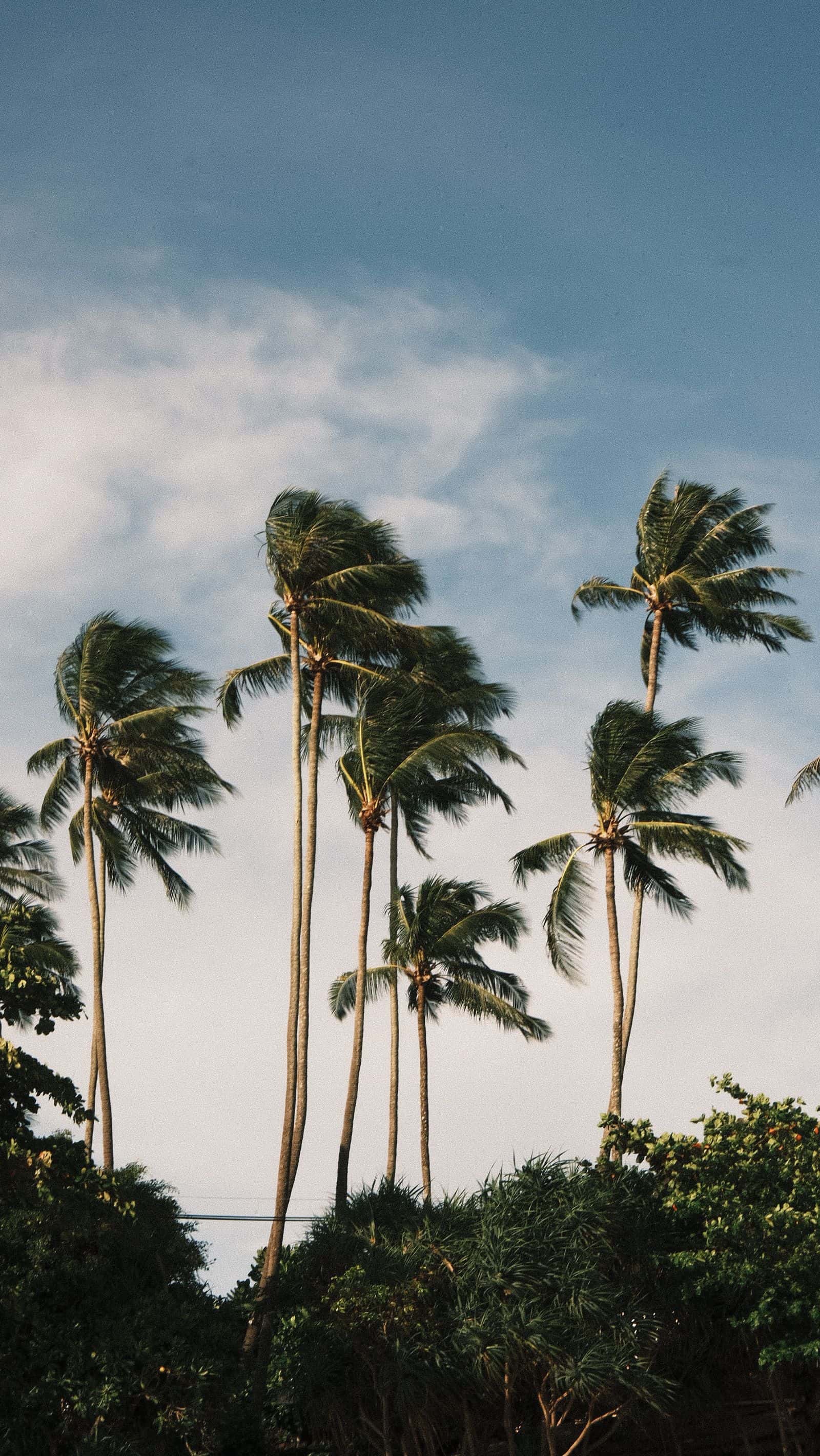
South Florida's canopy is tropical and diverse: royal palms, coconut palms, mahogany, gumbo limbo, black olive, ficus and live oak, growing in thin soil over limestone. That shallow soil limits rooting depth, so large trees, especially overgrown ficus and black olives, can topple in hurricane winds.
After Hurricane Andrew in 1992, research in South Florida documented clear differences in how species handled wind. Wind-resistant choices like gumbo limbo, sabal palm and live oak fare much better than weak-wooded or top-heavy species. Pruning to reduce sail and removing dead wood before hurricane season is the practical takeaway.
Reviewed and updated
Hurricane prep or hurricane cut? What to ask for before June
Every spring, some crews offer a "hurricane cut": stripping palms down to a few green fronds and thinning shade trees until only branch tips remain. Both make trees worse in wind. University of Florida guidance is to remove only dead or dying palm fronds and leave the green ones, and to prune canopy trees for structure rather than strip their interiors.
A good pre-season job in Miami usually means:
- Clearing coconuts and brown fronds from palms that lean over a pool deck, driveway or roof.
- Reducing long, heavy limbs that reach over the roof, rather than thinning the whole crown.
- Correcting weak forks on young trees while the cuts are still small.
- Checking ficus and other large trees for surface roots that have lifted walls or slabs, which can mean a shallow, unstable root plate.
Hurricanes, limestone and big palms: Miami's tree conditions
Hurricanes
Peak risk August–October; overgrown, dense crowns and shallow roots on limestone fail most often.
Thin soil over limestone
Shallow rooting depth limits anchorage for large trees.
Palms near structures
Coconut palms drop heavy fruit and fronds; regular trimming is a safety task, not just cosmetic.
Ficus and invasive species
Ficus roots invade pipes and slabs; many invasive species are exempt from protection.
Which South Florida trees held up in hurricanes
After Andrew and later storms, University of Florida researchers compared how species fared. A simplified view for common Miami trees:
Generally held up well
- Examples
- Live oak, gumbo limbo, sabal palm, sea grape
- What it means for your yard
- Worth keeping and maintaining; good choices for replanting
Frequently failed
- Examples
- Queen palm, Australian pine, laurel oak
- What it means for your yard
- Inspect closely if they stand near the house; poor choices to replant
Palms, black olives and ficus in Miami yards
- Royal and coconut palms
- Regular dead-frond and fruit removal; don't over-prune
- Live oak and gumbo limbo
- Among the more wind-resistant trees
- Black olive
- Dense and heavy; structural pruning helps in storms
- Ficus
- Aggressive roots; large, heavy crowns
- Mahogany
- Native; limbs can fail in hurricanes
Miami-Dade Chapter 24 and the state exemption
- Miami-Dade County Chapter 24 requires a permit for tree removal, with exemptions including removal of non-specimen trees (under 18 inches in diameter) from the yard of an existing single-family residence, and certain invasive species.
- Specimen trees (18 inches and larger) face the strictest review.
- On a single-family lot, a written finding by an ISA Certified Arborist or Florida licensed landscape architect that a tree is an unacceptable risk lets the owner skip the Chapter 24 county permit for that tree (Florida Statute 163.045).
- Some municipalities within Miami-Dade have their own additional rules.
Sources (checked 2026-10-01)
Rules change and details depend on your exact property. Confirm with the city or county before work starts. This isn't legal advice.
Small lots, walls and condo approvals
Small lots, walls, pools and overhead lines are the norm, so most removals are sectional. Condo and HOA properties often need association approval in addition to county rules.
For condo and HOA properties, get the association's approval in writing before scheduling, because the county permit and the association's process are separate. Crews generally won't start a removal until both are in hand.
Miami tree services and when they're needed
Palm and canopy pruning, ideally finished before hurricane season.
Uprooted ficus, snapped queen palms and hung limbs after a storm.
Removals that need a Chapter 24 permit or a documented hazard exemption.
Trees on roofs, cars or lines during and after storms.
The written finding that lets a hazardous tree come down without a county permit.
Miami questions: permits, timing and coconuts
Do I need a permit to remove a tree in Miami-Dade?
Often, yes. But non-specimen trees (under 18 inches in diameter) in the yard of an existing single-family home are exempt from the county permit, and an arborist's documentation of unacceptable risk exempts residential trees under state law. Your specific municipality may add rules.
When should I trim trees in Miami before hurricane season?
Ideally in the dry months, roughly December through May. Crews are hard to book once a storm is in the forecast.
Should I remove coconuts before a hurricane?
Yes. Coconuts and dead fronds become projectiles. Remove them, but leave healthy green fronds on the palm.
Calls are routed to independent local tree-service providers. How calling works
More local guides
Need tree help in Miami?
Call to speak with a local tree-service provider about removal, trimming, stumps or storm damage. Describe the tree and what it's near, and they'll explain the next step.