
Northeast region
Tree removal and tree care in Delaware
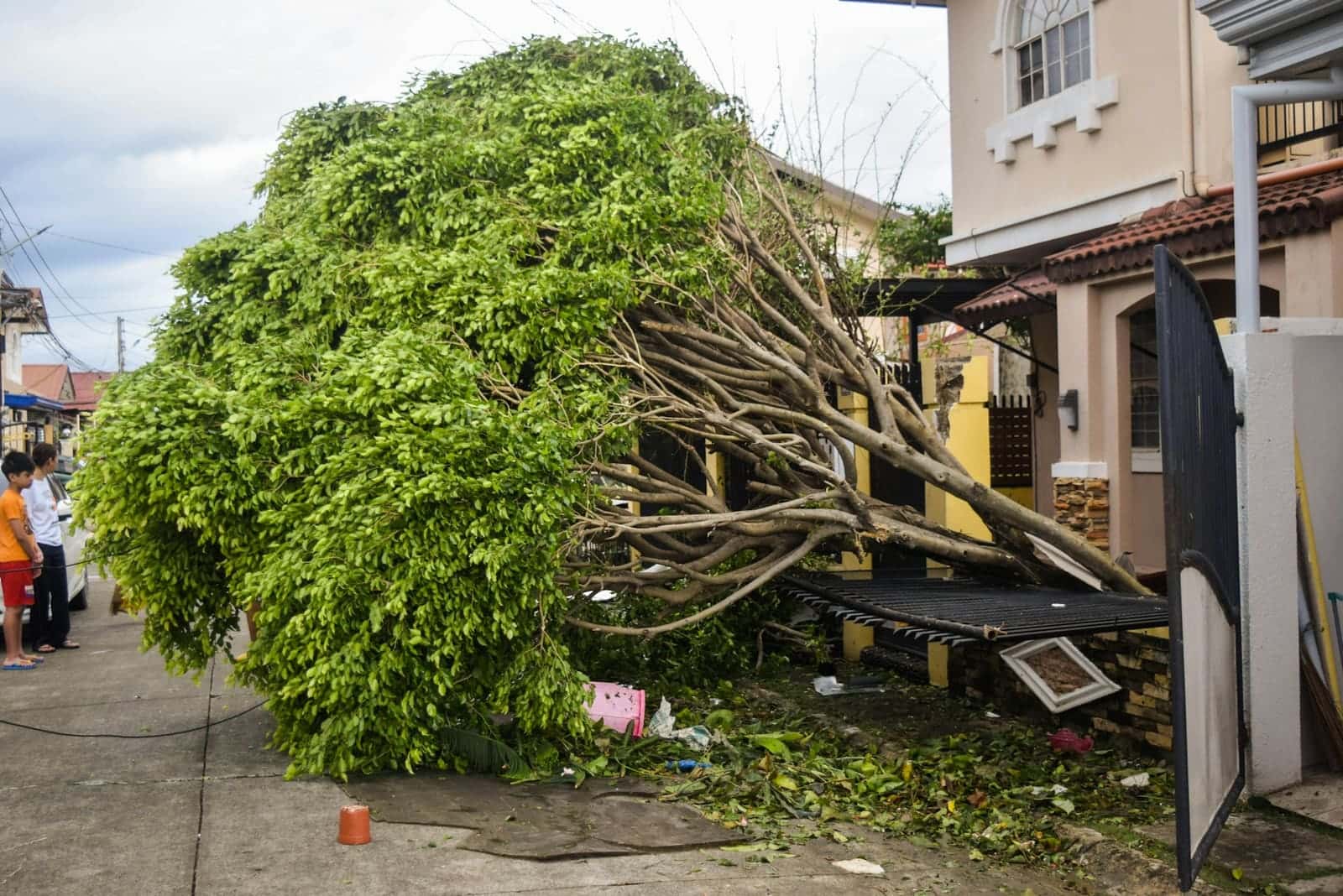
Delaware tree work is driven by coastal storms, nor'easters and the remnants of tropical systems that topple trees in wet, sandy and clay soils, plus emerald ash borer, which has killed untreated ash since it was found in the state in 2016. Tall loblolly pines and tulip poplars near houses in Sussex and Kent counties are frequent storm-removal calls.
Most of Delaware is flat coastal plain with a high water table, so saturated soil after long rains lets trees tip over at the root plate rather than snap. Northern New Castle County, around Wilmington, has older street trees and Piedmont soils more like southeastern Pennsylvania.
Rapid development in Sussex County has left many homes beside wooded lots where edge trees, newly exposed to wind after clearing, are more likely to fail in their first storms. Those edge trees deserve a look after construction nearby.
Reviewed and updated
Coastal soils and tipping trees
Delaware's coastal plain holds water, especially in Kent and Sussex counties. Roots stay near the surface, so a slow nor'easter or tropical remnant that soaks the ground for a day or two can tip large pines and oaks over even without extreme wind.
Signs that a tree is starting to go are a new lean, cracked or heaving soil on the side away from the lean, and exposed roots after a storm.
Delaware's pines, poplars, maples and oaks
- Loblolly pine
- Tall, common in Sussex; storm breakage
- Tulip poplar
- Very tall; brittle limbs in wind
- Red maple
- Common in wet soils; weak unions with age
- Willow and pin oak
- Large yard and street trees
- Ash
- Emerald ash borer since 2016
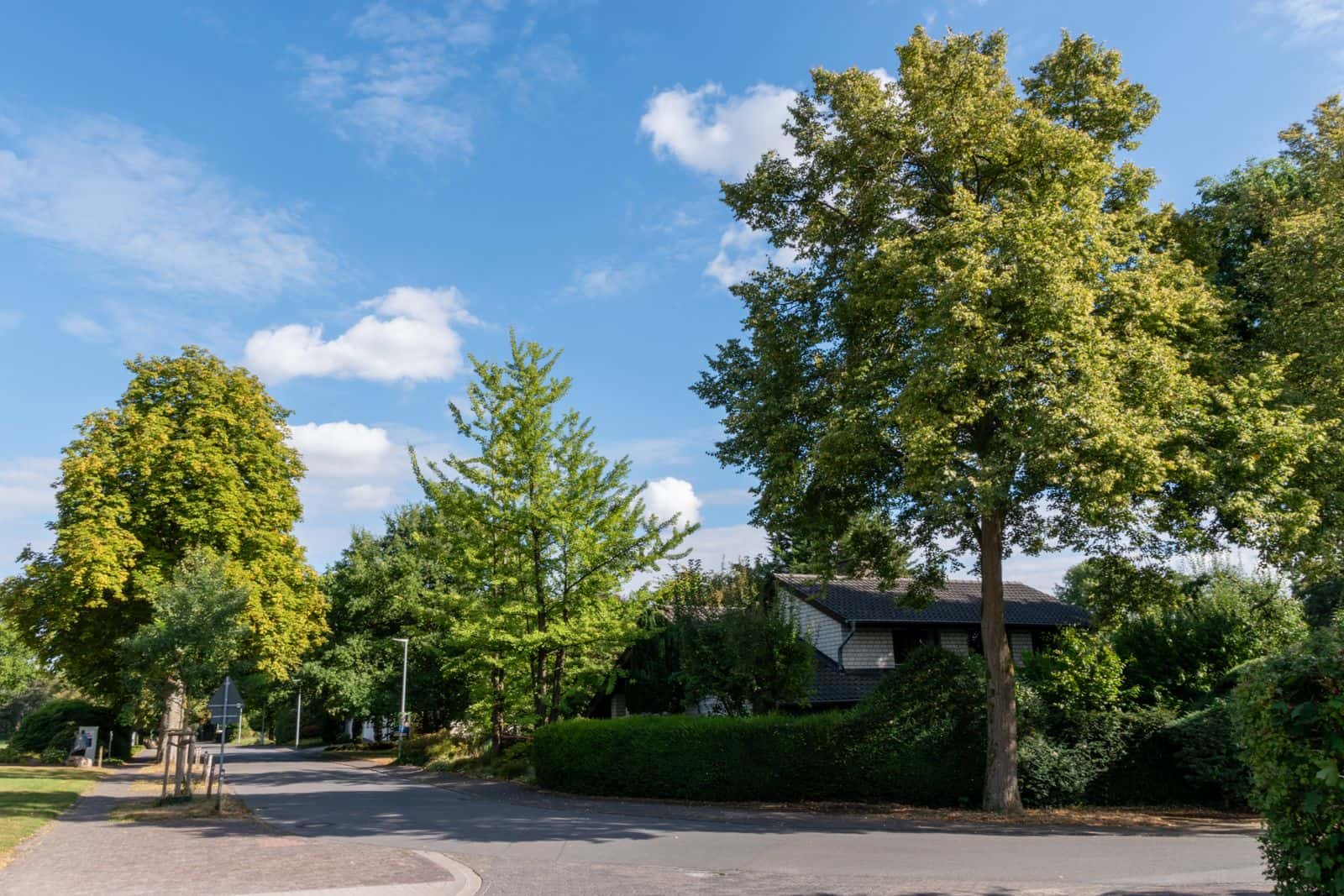
Storms, ash borer and new-edge trees
Nor'easters and tropical remnants
Long rain plus wind tips trees in saturated coastal soils.
Emerald ash borer
Found in Delaware in 2016; untreated ash are dead or declining.
New-edge trees
Trees left at the edge of cleared lots lose wind shelter and fail more often.
Summer thunderstorms
Downbursts break tall pines and tulip poplars.
Delaware tree rules
- Delaware has no statewide permit for removing trees on private residential lots; municipalities such as Wilmington and Newark manage street trees and may have their own rules.
- The Delaware Forest Service runs the state's urban and community forestry program and tracks emerald ash borer.
Sources (checked 2026-10-04)
Rules change and details depend on your exact property. Confirm with the city or county before work starts. This isn't legal advice.
Delaware's storm calendar
Late summer and fall bring tropical systems, and winter and early spring bring nor'easters on wet ground. Plan pruning and removals for late winter, before storm season.
- Late summer–fall
- Tropical storm remnants and hurricanes offshore
- Winter–early spring
- Nor'easters on saturated soil
- Late winter
- Good time for planned pruning and removals
Delaware services by risk
After nor'easters and tropical storms.
For ash killed by emerald ash borer.
For leaning pines over homes.
For edge trees near new construction.
Ash in Delaware: treat, remove or replace
Healthy and valuable
- Usual choice
- Treat
Thinning crown
- Usual choice
- Treat or plan removal
Mostly dead
- Usual choice
- Remove
Dead and near the house
- Usual choice
- Remove promptly
Delaware tree questions
Why do Delaware trees blow over instead of breaking?
Much of the state has a high water table, so roots stay shallow and long rains saturate the soil. Wind then tips the whole root plate.
Is emerald ash borer in Delaware?
Yes, since 2016. Untreated ash are dead or declining and turn brittle, which makes removal riskier the longer it waits.
Should I worry about trees left after nearby land was cleared?
Yes. Edge trees lose the shelter of the woods around them and often fail in the first few storms. Have tall ones near the house checked.
Do I need a permit to remove a tree in Delaware?
Not statewide for private yards, but check with your town for street trees and any local ordinance.
When is hurricane season for Delaware trees?
June through November, with the most risk in late summer and early fall; nor'easters are a second risk in winter and spring.
How much does tree removal cost in Delaware?
It depends on size, access and nearby structures. See the tree removal cost guide.
Need tree help in Delaware?
Call to speak with a local tree-service provider about removal, trimming, stumps or storm damage. Describe the tree and what it's near, and they'll explain the next step.