Plan ahead
Tree roots are damaging my property
Tree roots commonly lift sidewalks and driveways and enter sewer lines that already have cracks or loose joints. They rarely break a sound foundation directly, but in shrink-swell clay soils large trees can dry the soil and add to foundation movement. Options include root pruning, root barriers, pipe repair and redesigning hardscape. Removal is a last resort, and cutting big roots can make a tree unstable.
What to do when tree roots damage property
What to do
- Identify the tree and measure how far it is from the damage.
- For sewer backups, have a plumber camera-inspect the line to confirm roots and the cause.
- For foundations, get a structural engineer's opinion before blaming the tree.
- Check who owns the tree. Street trees are often the city's.
What not to do
- Don't cut large roots close to the trunk. It can destabilize the tree.
- Don't pour chemical root killers into the ground near trees you want to keep.
- Don't remove a large tree near a clay-soil foundation without advice; it can change soil moisture.
Services for roots damaging property
- Tree Risk Assessment services
An arborist's opinion on whether a tree can stay, before you remove it.
- Tree Removal services
Taking down a tree you no longer want or can't keep, in sections near buildings.
- Stump Grinding & Removal services
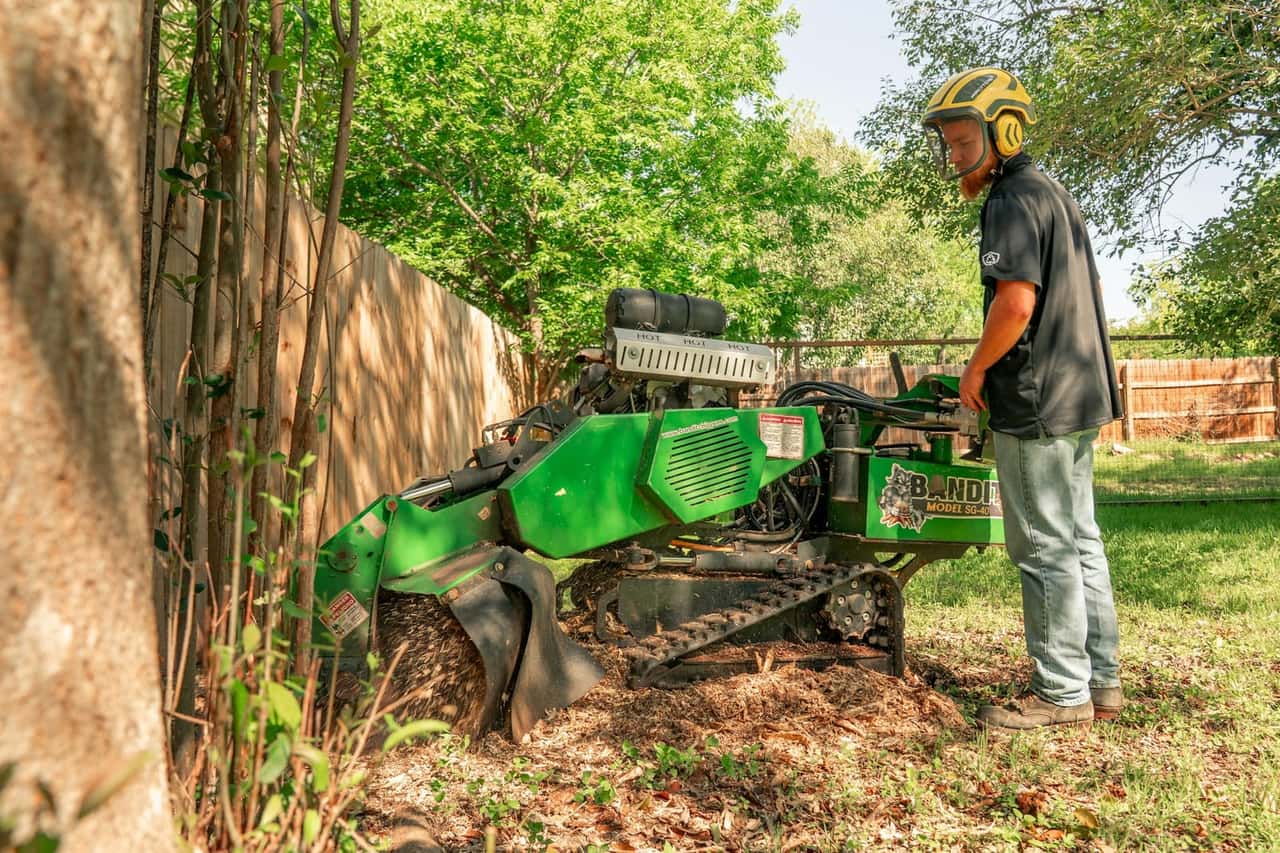
Grinding stumps below grade so you can replant, sod or build.
- Find tree service near you
Tell us what's happening and we'll connect you with a tree-service provider serving your area.
Call for tree serviceLocal help for this problem
These pages cover the same service in specific cities, including local rules, utilities and access issues.
What to confirm in a tree risk assessment quote
Quotes differ mostly in what they include. Ask each provider to put these in writing so you can compare like for like:
- Which trees are inspected
- Level of assessment (visual, basic or advanced)
- A written report with risk ratings and options
- Whether the assessor also sells the removal work
- Follow-up inspection timing
Before you call about roots are damaging my property
These answers let a provider tell you on the first call what the job involves and roughly how it'll be done.
- Which trees
- And why you're worried about each one
- Changes you've noticed
- New lean, dieback, cracks, fungus
- What's under them
- House, play area, parking
- What you need
- A keep-or-remove decision, a permit, or help with an HOA or neighbor dispute
- Report
- Whether you need a written report
Safety and permission checks
- Power lines: stay at least 10 feet from overhead lines (OSHA's minimum distance for unqualified workers) and call the utility; only line-clearance-qualified tree workers cut closer.
- Underground lines: call 811 a few days before stump grinding or digging so buried utilities are marked for free.
- Permits: ask the city or county before removing or heavily pruning a large tree; protected-tree sizes and street-tree rules vary by place.
- Who is responsible: a tree on your lot is usually yours, street (right-of-way) trees are usually the city's, and trees on lines are the utility's to clear.
- Doing it yourself: picking up small fallen limbs is a homeowner job; chainsaw work off a ladder, near lines or on anything that could hit a building is not.
Have your answers ready? Call and we'll connect you with a provider serving your area.
Call for tree service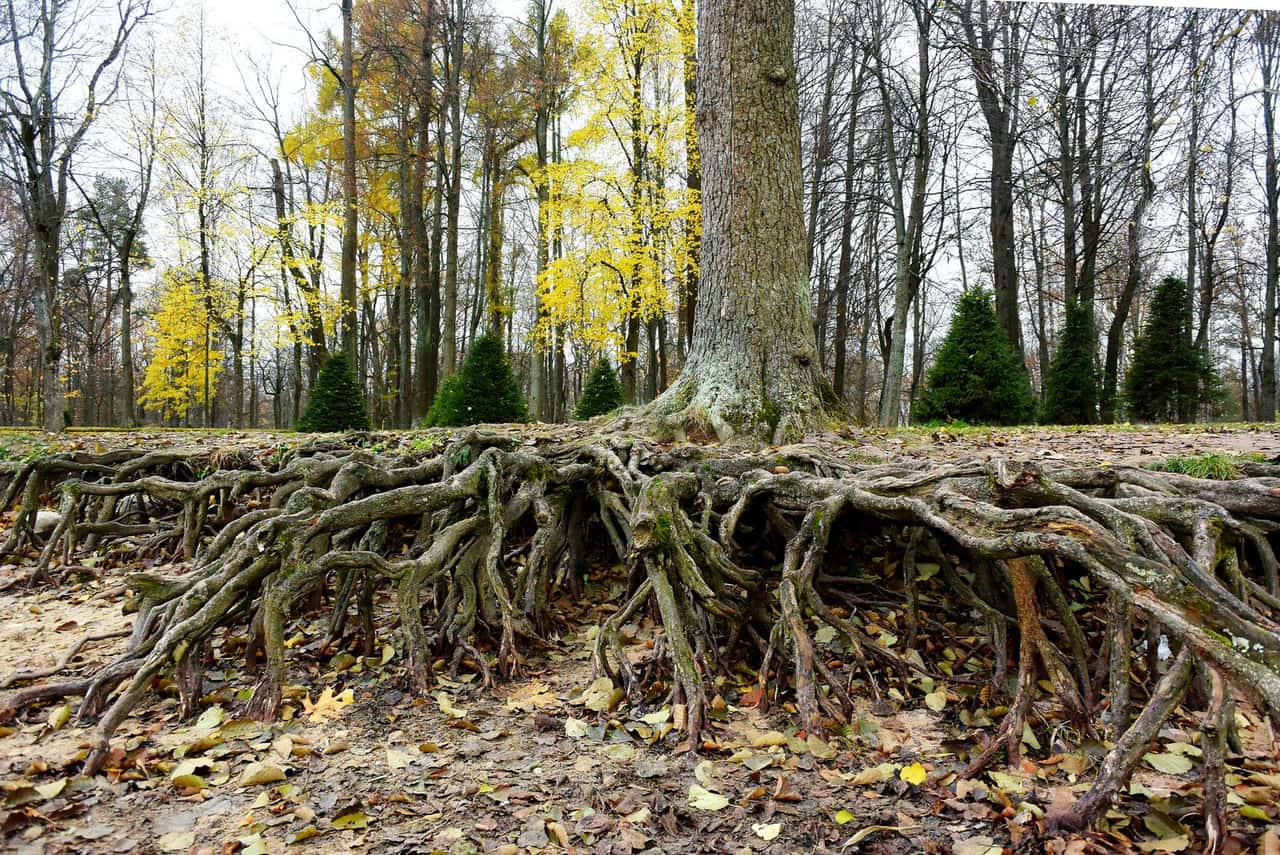
Options short of removal
- Root pruning with a clean cut at a safe distance from the trunk, done by an arborist
- Root barriers installed along sidewalks, slabs or pipe runs
- Repairing or relining sewer pipes so roots have no entry point
- Rerouting or rebuilding paths with flexible materials or bridging over roots
Roots vs. foundations, pipes and pavement
Cutting large roots close to the trunk can destabilize a tree and make it a fall hazard, so root pruning near a mature tree should be planned with an arborist, not done during a sidewalk repair on the fly.
Sidewalks and driveways
- What roots actually do
- Lift thin slabs as they thicken near the surface
- What usually helps
- Root pruning during repair, a root barrier, or flexible paving
Sewer and drain lines
- What roots actually do
- Enter pipes through existing cracks and joints, then block them
- What usually helps
- Repair or line the pipe; removing the tree alone doesn't fix the crack
Slab foundations in clay soil
- What roots actually do
- Draw moisture from shrink-swell clay in droughts, adding to movement
- What usually helps
- Consistent soil moisture, a foundation engineer's assessment
Basement walls
- What roots actually do
- Rarely break sound walls; follow existing cracks
- What usually helps
- Fix the wall and drainage first
Common questions
Can tree roots crack a foundation?
Rarely directly. Most foundation cracks come from soil movement. In expansive clay, though, large trees drawing moisture can contribute. A structural engineer can tell you whether the tree is a factor.
Will grinding the stump stop root problems?
Once a tree is removed, its roots stop growing and slowly decay. Grinding removes the stump and top roots; deeper roots are left to rot.
Will removing a tree stop roots from damaging my foundation?
Not always. In shrink-swell clay, removing a large tree can let the soil swell as it rewets, which also moves a foundation. Have a foundation professional evaluate before removing a big tree for foundation reasons.