Tampa, FL · Hillsborough
Tree removal in Tampa
Tampa has some of Florida's strictest tree rules. Removing most trees 5 inches in diameter or larger requires a city permit, and grand trees (32 inches and larger) may need a public process. After Hurricanes Helene and Milton hit the region in 2024, those rules sit alongside Florida's §163.045 exemption for residential trees an ISA Certified Arborist documents as an unacceptable risk.
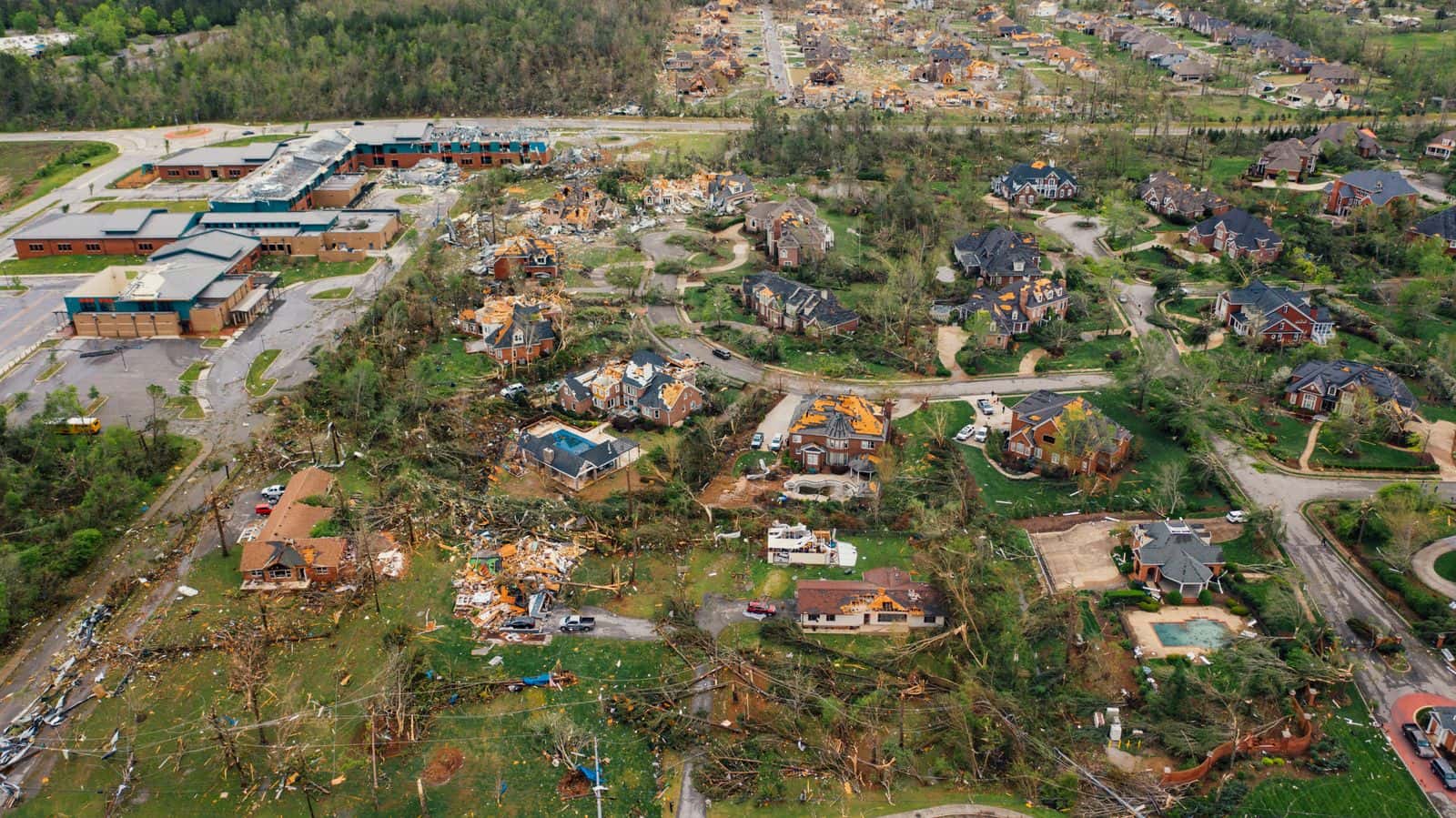
Tampa Bay went a century without a direct major-hurricane landfall, then took two heavy blows in 2024. Helene brought record storm surge, and Milton brought wind and tornadoes across the region two weeks later. Canopy damage was widespread, and many homeowners faced decisions about damaged grand live oaks.
South Tampa, Seminole Heights and Hyde Park have large, old live oaks that define the streetscape. The city's tree code is built to protect them, which is why the first step for many removals here is the permit, not the chainsaw.
Reviewed and updated
Surge, wind and grand oaks: Tampa's tree conditions
Hurricanes and surge
Helene and Milton (2024) caused extensive tree damage; saltwater surge also stresses trees in low areas.
Grand live oaks
Large protected oaks are common; structural pruning is usually preferred over removal.
Summer thunderstorms
Frequent afternoon storms bring lightning and gusty winds.
Sandy, high-water-table soils
Shallow roots uproot when the soil is saturated.
After Helene and Milton: what to recheck on trees that survived
Many Tampa trees came through the 2024 storms standing but changed. Damage from surge and wind can show up a season later:
- Browning that appears weeks or months later on bayfront trees, a sign of salt in the root zone.
- Root plates that shifted in surge-softened soil, visible as a new lean or cracked soil on one side.
- Cracked unions and torn bark where large limbs twisted in the wind.
- Hangers still lodged in big live oaks over streets and roofs.
Tampa's tree permits, grand trees and mitigation
- City of Tampa: a permit is required to remove trees 5 inches DBH and larger (excluding invasive species), and to prune trees 24 inches DBH and larger.
- Grand trees (32 inches DBH and larger) require special review; if not hazardous, removal may need a public process.
- Removals are generally subject to mitigation or tree-fund payments. Florida Statute 163.045 exempts qualifying residential trees documented as an unacceptable risk.
Sources (checked 2026-10-01)
Rules change and details depend on your exact property. Confirm with the city or county before work starts. This isn't legal advice.
Working out whether a Tampa tree needs a permit
- 1
Measure the trunk
Measure around the trunk 4.5 feet above the ground and divide by 3.14 to get the diameter Tampa's rules use.
- 2
Compare with the thresholds
Removing a tree 5 inches or more in diameter generally needs a city permit; 32 inches or more makes it a grand tree with special review.
- 3
Check whether it's a documented hazard
On a residential lot, a written finding from an ISA Certified Arborist that the tree is an unacceptable risk can remove the local permit requirement under state law.
- 4
Plan for mitigation
Permitted removals usually come with replanting or a tree-fund payment, so ask about it before you budget.
Live oaks, palms and pines in Tampa neighborhoods
- Live oak
- Grand trees; wind-resistant and protected
- Laurel oak
- Short-lived and decay-prone
- Sabal and queen palms
- Sabal is wind-tough; queen palm is weak in storms
- Slash pine
- Lightning and storm breakage
- Southern magnolia
- Long-lived native shade tree
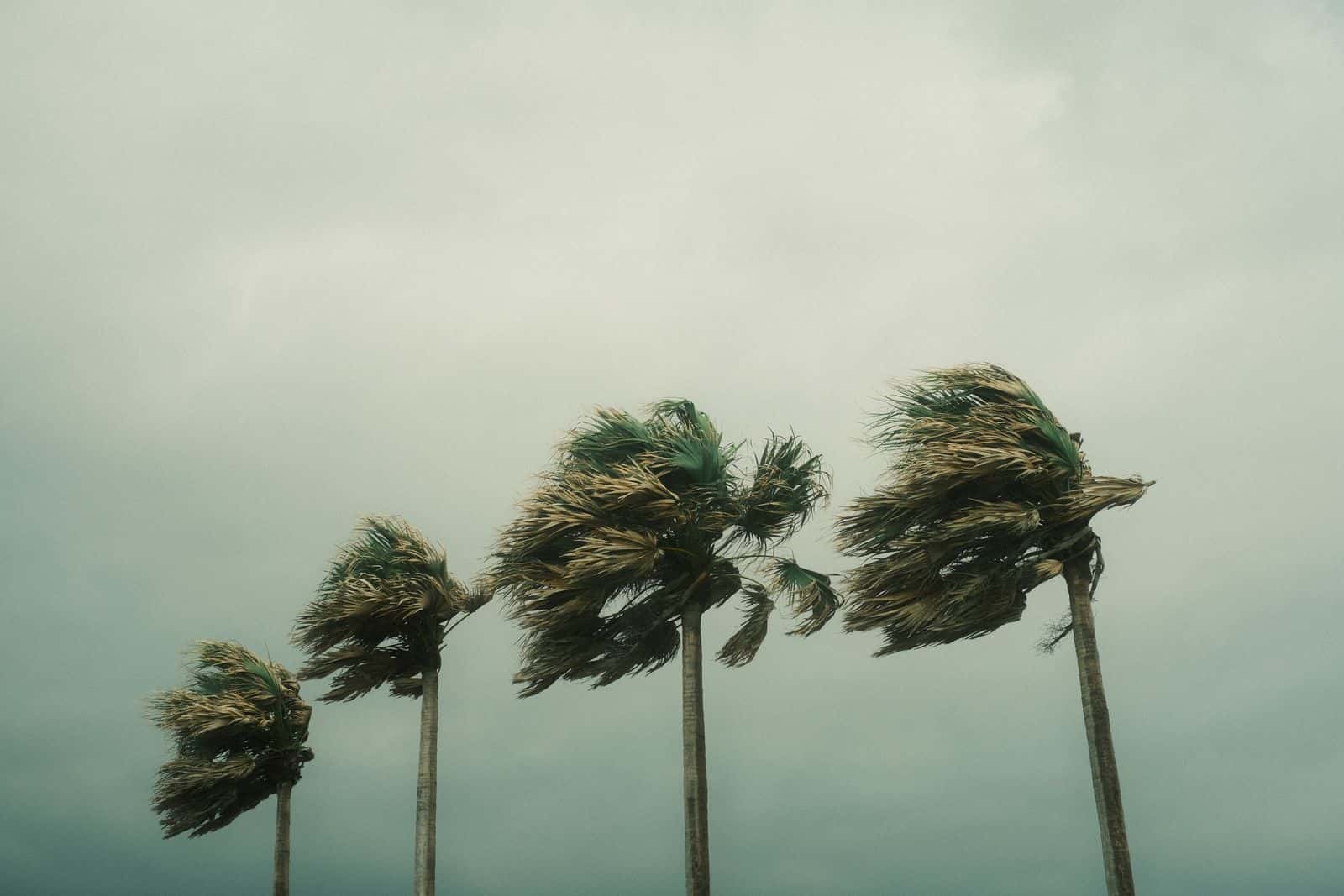
Old South Tampa lots and bayfront exposure
Older South Tampa lots put big oaks close to houses and sidewalks, where root conflicts and pruning over roofs are common. Bayfront properties may deal with salt exposure after surge events.
On older streets, big oak roots run under sidewalks and driveways, and cutting them to fix a heaved walk can destabilize the tree. Get an arborist's opinion before root pruning on a grand or near-grand oak.
Tampa services and where they fit
Tampa's permit rules apply to trimming too; ask whether yours needs one.
Post-storm checks on surviving oaks, and documentation for hazard exemptions.
The follow-up work Helene and Milton left behind.
Permitted removals, with mitigation built into the plan.
Trees on houses, lines or streets during storm season.
Tampa tree questions: permits, grand trees and lines
Do I need a permit to trim a tree in Tampa?
For trees 24 inches in diameter or larger, yes: the City of Tampa requires a permit to prune them. Removing most trees 5 inches or larger also requires a permit unless the state residential risk exemption applies.
A limb is resting on the power line to my Tampa house. What do I do?
Stay clear and call Tampa Electric (TECO). The utility deals with the line, including the service drop to your house, before any tree work nearby. A tree company can remove the rest of the limb once the line is safe.
What is a grand tree in Tampa?
A tree 32 inches in diameter or larger. Removing a non-hazardous grand tree may require a public process, such as variance review.
Calls are routed to independent local tree-service providers. How calling works
More local guides
Need tree help in Tampa?
Call to speak with a local tree-service provider about removal, trimming, stumps or storm damage. Describe the tree and what it's near, and they'll explain the next step.