
South Central region
Tree removal and tree care in Texas
Texas tree problems depend on where you are. Gulf Coast cities deal with hurricanes and tropical-storm winds. Central Texas contends with oak wilt and rocky, shallow soils. North Texas sees hail, tornadoes and ice storms. Statewide, droughts weaken trees that later fail in storms. Permits are local: some Texas cities regulate large trees on private lots, and many don't.
City guides in Texas
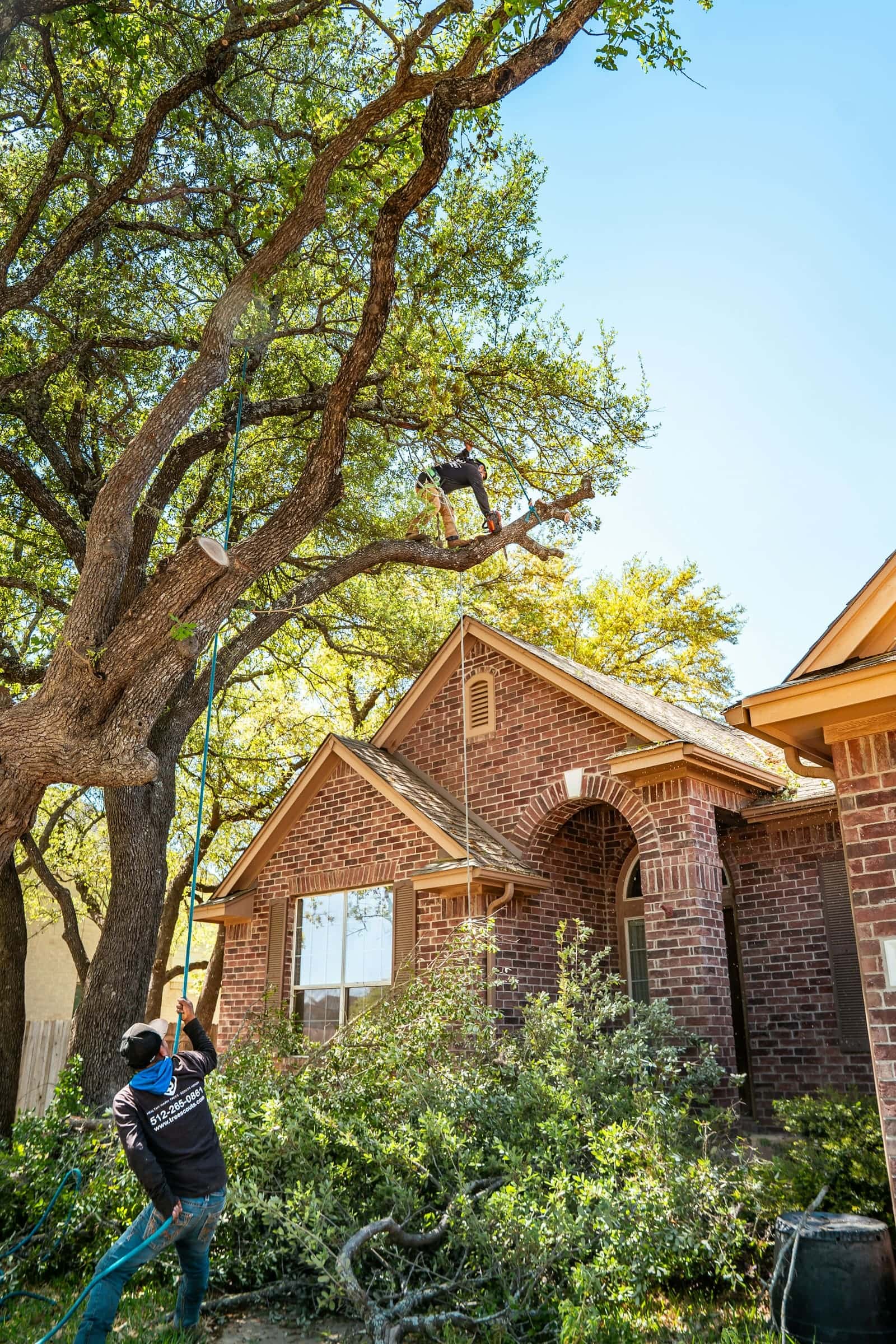
Much of the state's urban canopy is oak (live oak, post oak, red oaks), pecan and cedar elm. That makes oak wilt the single most important tree disease to understand. Texas A&M Forest Service recommends avoiding pruning or wounding oaks from February through June, when the sap beetles that spread the fungus are most active, and painting every oak wound immediately at any time of year.
Weather drives most emergency calls. Houston lost huge numbers of trees to the May 2024 derecho and Hurricane Beryl that July. Central Texas trees were heavily damaged by the February 2023 ice storm. North Texas regularly sees spring hail and tornadoes. After drought years like 2011 and 2022, stressed and dead trees become common across the state.
Reviewed and updated
The five tree problems that matter most in Texas
Oak wilt
A fungal disease that kills red oaks within weeks and spreads through connected live-oak roots. It's present in dozens of Texas counties, especially Central Texas. Timing of pruning matters.
Hurricanes and tropical storms
From Corpus Christi to Beaumont, long periods of wind on saturated ground uproot whole trees. Water oaks, pecans and pines are common casualties in Houston-area neighborhoods.
Severe thunderstorms, hail and tornadoes
North and Central Texas storms snap limbs and strip crowns, especially in spring. Downbursts can topple trees without any tornado.
Ice storms and hard freezes
Ice loads split live oaks and cedar elms (Austin, February 2023). Hard freezes like February 2021 damaged palms and less cold-tolerant species.
Drought
Extended drought kills trees outright and weakens roots, so many trees fail in the first big storm after a dry spell.
Gulf Coast, Hill Country, North Texas: how the job changes by region
Gulf Coast (Houston, Beaumont, Corpus Christi)
- Main pressures
- Hurricanes, saturated clay, aging water oaks and pines
- Typical work
- Storm cleanup, pre-season removals of decayed oaks
Central Texas and Hill Country (Austin, San Antonio)
- Main pressures
- Oak wilt, thin soil over limestone, ice storms
- Typical work
- Oak pruning on the wilt calendar, cedar clearing, ice damage repair
North Texas (Dallas–Fort Worth)
- Main pressures
- Hail, downbursts, tornadoes, expansive clay
- Typical work
- Storm pruning, failing ornamentals, foundation questions
West Texas and the Panhandle
- Main pressures
- Drought, high wind, few large shade trees
- Typical work
- Drought-killed tree removal, windbreak care
Texas city guides and what each one covers
Hurricanes, derechos and water oaks on poorly drained clay.
Hail, Blackland Prairie clay near slabs, and Article X rules.
Post oaks that decline after construction, and lot-size permit exemptions.
Oak wilt timing and the city's protected and heritage tree rules.
Oak wilt in connected live-oak stands and drought on limestone.
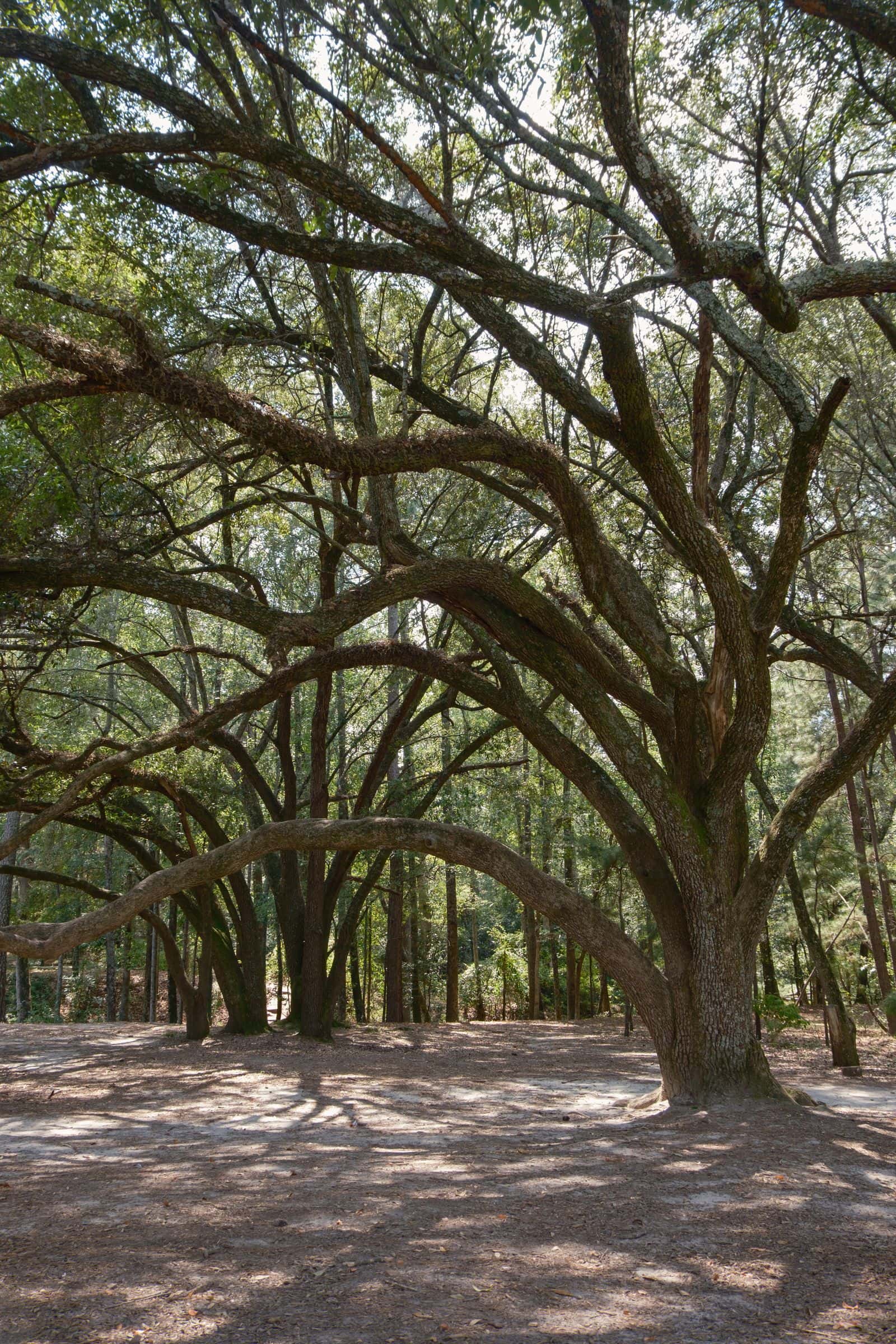
Live oaks, red oaks, pecans and cedar elms across Texas
- Live oak
- Long-lived and storm-tolerant, but susceptible to oak wilt through root connections
- Red oaks (Shumard, Texas red)
- Highly susceptible to oak wilt; can die within a month of infection
- Pecan
- Large, heavy limbs; prone to limb drop and storm breakage
- Cedar elm
- Common in North and Central Texas; tough, but ice-prone
- Ashe juniper ("cedar")
- Hill Country; often removed for fire and clearing reasons
- Loblolly pine and water oak
- Southeast Texas; frequent storm and decay failures around Houston
A Texas tree-work calendar
- Winter (Jul–Jan for oaks)
- The safer window for pruning oaks; good time for removals and structural work
- Feb–June
- Avoid pruning or wounding oaks (oak wilt); spring storms and hail in the north
- June–November
- Atlantic hurricane season on the Gulf Coast; summer drought stress statewide
Texas has no statewide tree permit: city rules decide
- Texas has no statewide tree-removal permit for private homeowners; rules are set by cities.
- Austin requires a permit to remove protected trees (19 inches in diameter and larger) and applies stricter rules to heritage trees (24 inches and larger) of certain species.
- Dallas's Article X tree rules generally don't apply to lots under two acres with single-family or duplex use, but do apply to vacant lots, larger lots and development.
- San Antonio's tree preservation ordinance focuses on development; completed single-family lots are exempt from its preservation requirements.
- Houston requires a permit to remove or trim trees on city property, including street rights-of-way.
Sources (checked 2026-10-01)
Rules change and details depend on your exact property. Confirm with the city or county before work starts. This isn't legal advice.
Which Texas risks call for which service
Oak pruning timed outside February–June to avoid spreading oak wilt.
Gulf hurricanes and North Texas hail and downbursts.
Oak wilt and drought losses, especially red oaks.
Failing ornamentals, cedar clearing and decayed oaks near houses.
Texas tree questions: oak timing, permits and oak wilt
When should I prune oak trees in Texas?
Texas A&M Forest Service advises avoiding pruning or wounding oaks from February through June. The cooler months from July through January are safer, and midsummer heat also reduces beetle activity. Paint every oak wound immediately, whatever the season.
Do I need a permit to remove a tree in Texas?
There's no statewide permit. It depends on your city. Austin regulates trees 19 inches and larger; Dallas mostly regulates larger or undeveloped lots; many smaller cities have no rule for private homes. Street trees in the right-of-way usually need city permission everywhere.
How can I tell if my oak has oak wilt?
Red oaks wilt and turn brown quickly in late spring or summer. Live oaks show veinal necrosis, leaves with yellow or brown veins, and lose leaves over months. Confirmation requires a lab test; Texas A&M Forest Service and certified oak wilt specialists can help.
Need tree help in Texas?
Call to speak with a local tree-service provider about removal, trimming, stumps or storm damage. Describe the tree and what it's near, and they'll explain the next step.