South Central region
Tree removal and tree care in Louisiana
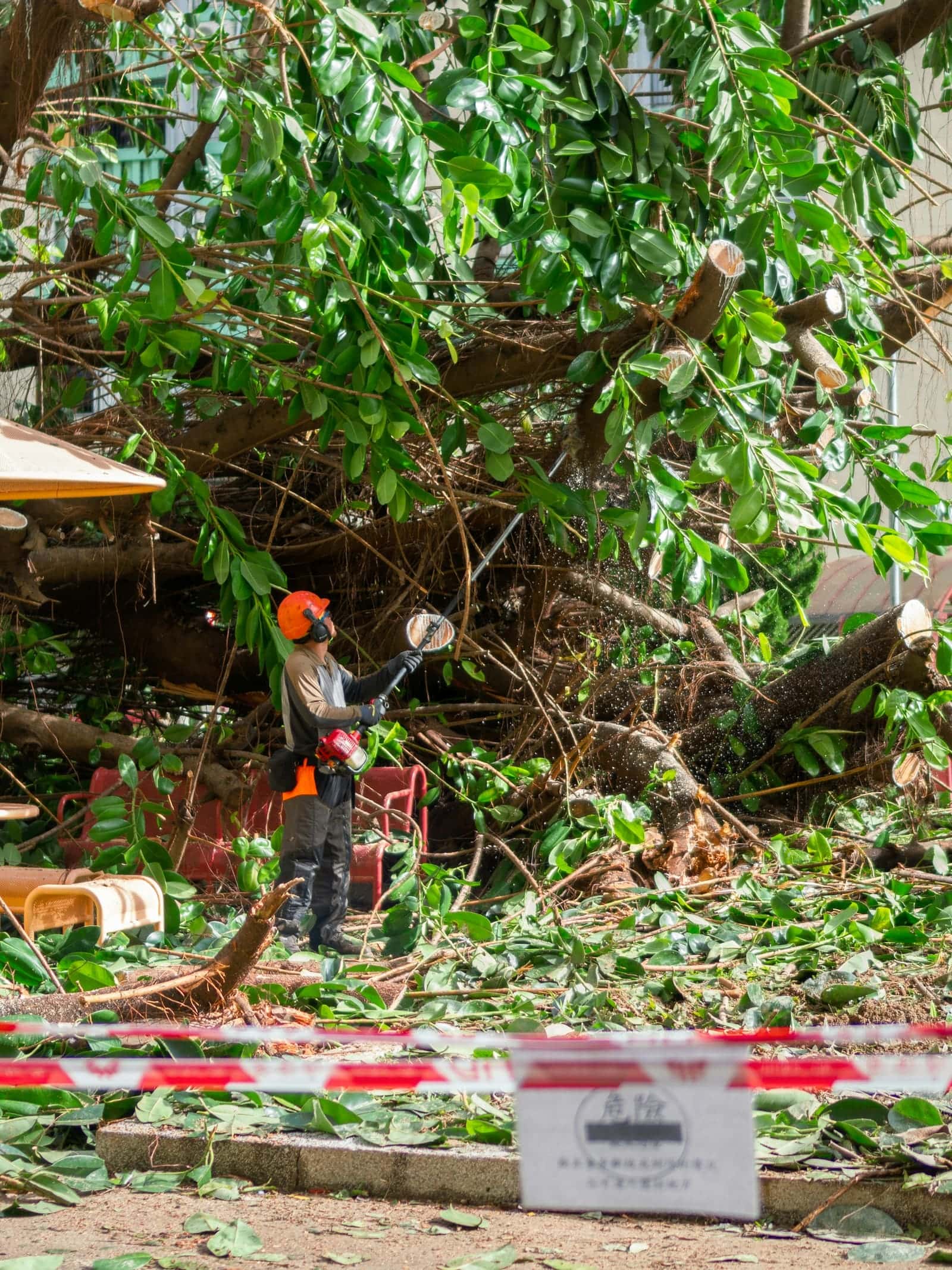
Louisiana's tree emergencies come mostly from hurricanes, like Ida in 2021, on saturated soil with a high water table. In New Orleans, Formosan termites hollow out living trees, and trees on public property and neutral grounds can't be touched without Parks and Parkways' approval.
City guides in Louisiana
Southeast Louisiana's soils are wet, soft and low-lying. Even large live oaks root relatively shallowly, and after days of tropical rain the ground can't hold trees against sustained wind. Water oaks and laurel oaks, which are shorter-lived and decay-prone, are frequent hurricane casualties.
The Formosan subterranean termite, an invasive introduced after World War II, does something native termites don't: it colonizes living trees, eating out their centers and nesting inside. Infested trees can look healthy but break in a storm. LSU AgCenter research has found much larger hollows in New Orleans trees where the termite is established.
Reviewed and updated
Hurricanes, termites and wet ground in Louisiana
Hurricanes and tropical storms
Ida (2021) and other storms bring sustained wind on saturated ground, uprooting and snapping trees region-wide.
Formosan subterranean termites
Hollow out living trees from the inside, leaving them prone to breaking.
Shallow roots in wet soil
A high water table limits root depth across the coastal parishes.
Decay in water and laurel oaks
Short-lived oaks develop internal rot and fail in storms.
Lightning
Frequent summer storms strike tall trees and cause hidden damage.
Southeast, Southwest and North Louisiana
- Southeast Louisiana, including New Orleans, deals with hurricanes, subsiding wet ground and Formosan termites in living trees.
- Southwest Louisiana around Lake Charles took back-to-back hurricanes in 2020, Laura and Delta, which destroyed huge numbers of trees.
- North Louisiana around Shreveport and Monroe has more pines and hardwoods, and sees ice storms and tornadoes more than hurricanes.
Louisiana's tree rules and New Orleans's public trees
- In Louisiana, parishes and cities set any tree rules; New Orleans controls trees on public property and neutral grounds through Parks and Parkways.
- New Orleans: no one may remove, cut or interfere with a city tree, including trees on neutral grounds and other public property, without prior written approval from the Department of Parks and Parkways.
Sources (checked 2026-10-01)
Rules change and details depend on your exact property. Confirm with the city or county before work starts. This isn't legal advice.
Louisiana city guides
New Orleans has its own guide because its live oaks, high water table and hurricane exposure make it a special case. Baton Rouge and Lafayette share the hurricane risk with slightly less saturated ground, and north Louisiana sees more ice and tornadoes.
Neutral-ground trees, termites and live oak care.
Louisiana's hurricane and termite seasons
- June–November
- Atlantic hurricane season; prune deadwood before the peak in August–October
- Spring
- Formosan termite swarms (evenings, around lights)
- Winter
- Good time for structural pruning and planned removals
Louisiana services by risk
Post-hurricane cleanup.
Checking oaks for termite hollows and decay.
Pre-season pruning of live oaks.
Failing water and laurel oaks.
Louisiana tree questions
Can termites really kill a live oak?
Formosan subterranean termites don't usually kill a tree outright, but they hollow out the trunk and major limbs. A hollowed tree can look full and green and still break in a hurricane. Mud tubes, carton nests or swarms around a tree are reasons to have it inspected.
Should I prune before hurricane season in Louisiana?
Yes. Removing dead and broken limbs and correcting weak structure before August is far more effective than cutting in a rush once a storm is forecast. Avoid heavy thinning or topping, which makes trees more vulnerable.
Can I remove a tree on the neutral ground in New Orleans?
No. Neutral-ground and other public trees belong to the city, and only Parks and Parkways or approved arborists with written permission may work on them. Report a damaged public tree to the city instead.
Live oaks, water oaks, cypress and magnolias
- Southern live oak
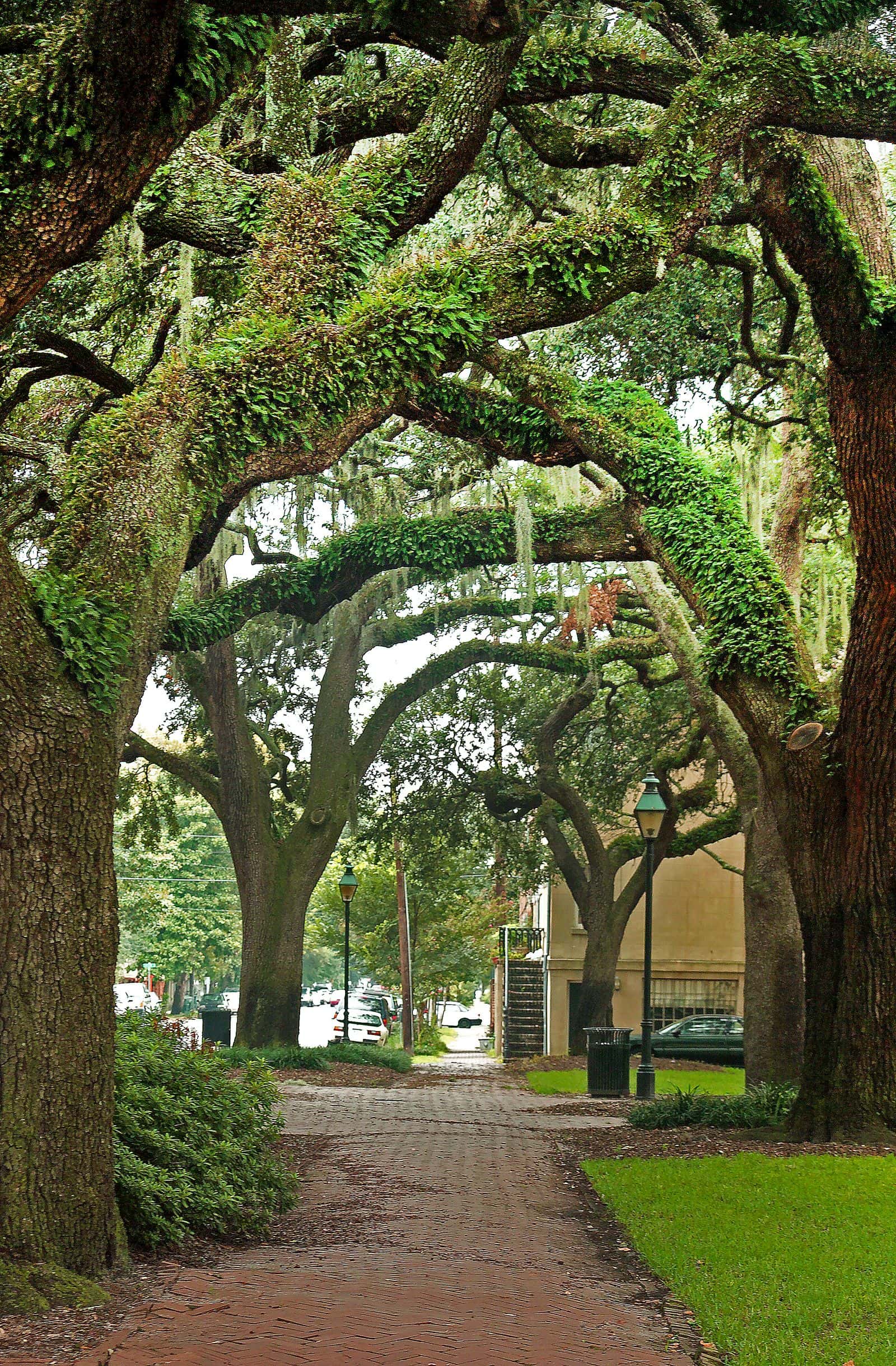
- Iconic and storm-tolerant, but termite and decay hollows weaken some trees
- Water and laurel oak
- Shorter-lived; frequent hurricane failures
- Bald cypress
- Wind-firm native of wet sites
- Southern magnolia
- Dense evergreen; holds up well in wind
- Crape myrtle and Chinese tallow
- Common small trees; tallow is invasive
Need tree help in Louisiana?
Call to speak with a local tree-service provider about removal, trimming, stumps or storm damage. Describe the tree and what it's near, and they'll explain the next step.