
Mountain West region
Tree removal and tree care in Colorado
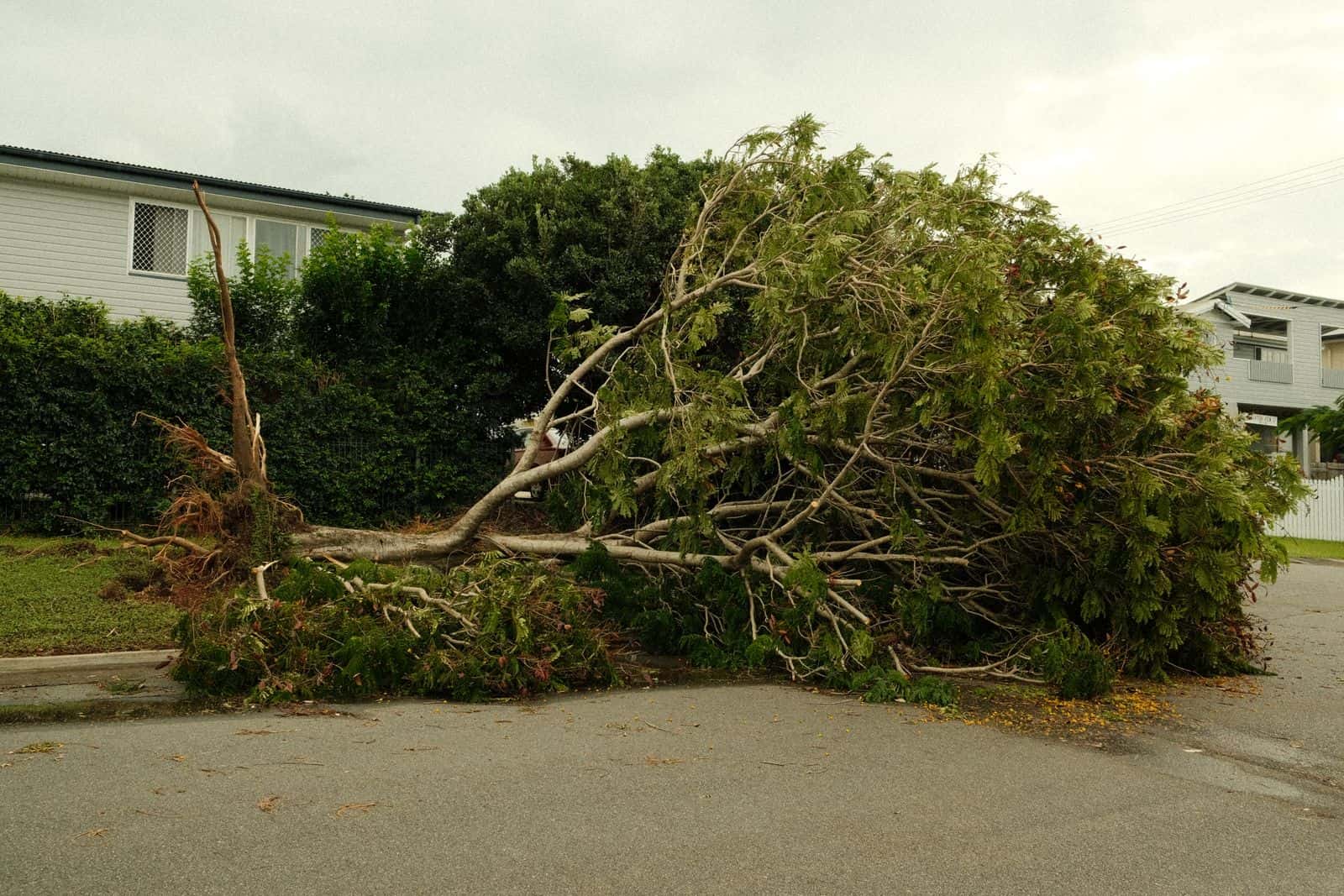
Colorado's Front Range trees break most often in early-fall and late-spring snowstorms, when heavy wet snow lands on trees that still have leaves. Chinook and downslope winds, drought, and the spread of emerald ash borer across Front Range cities add to the list. In Denver, work on trees in the public right-of-way requires a city permit and a licensed tree company.
City guides in Colorado
Almost every tree in Front Range cities was planted. The region was mostly grassland, so urban forests depend on irrigation and are stressed by drought and alkaline soils. Silver maples, cottonwoods, Siberian elms and ash make up a large share of older canopies. These weaker-wooded and pest-vulnerable species are exactly the ones that fail in snow.
Emerald ash borer was first found in Boulder in 2013 and has since been confirmed in many nearby communities. With ash common along streets and in yards, cities have been removing and replacing ash and encouraging treatment of healthy high-value trees.
Reviewed and updated
Snow, wind, drought and ash borer in Colorado
Snow on leafed-out trees
September–October and April–May storms dump heavy snow while leaves are on, causing widespread breakage.
Downslope wind
Strong winter winds along the foothills snap limbs and topple trees.
Drought
Planted trees depend on watering; drought weakens them for years.
Emerald ash borer
Spreading through Front Range communities since 2013.
Hail
Strips leaves and bark, stressing trees.
Colorado's ash, maples, elms and cottonwoods
- Green ash
- Common street tree; emerald ash borer risk
- Silver maple and Siberian elm
- Fast-growing, brittle; snow breakage
- Plains cottonwood
- Very large, weak-wooded, limb drop
- Blue spruce and ponderosa pine
- Snow load and beetle risk; mountain areas also face wildfire
- Honeylocust and linden
- Common replacements for ash
Front Range cities versus the mountains
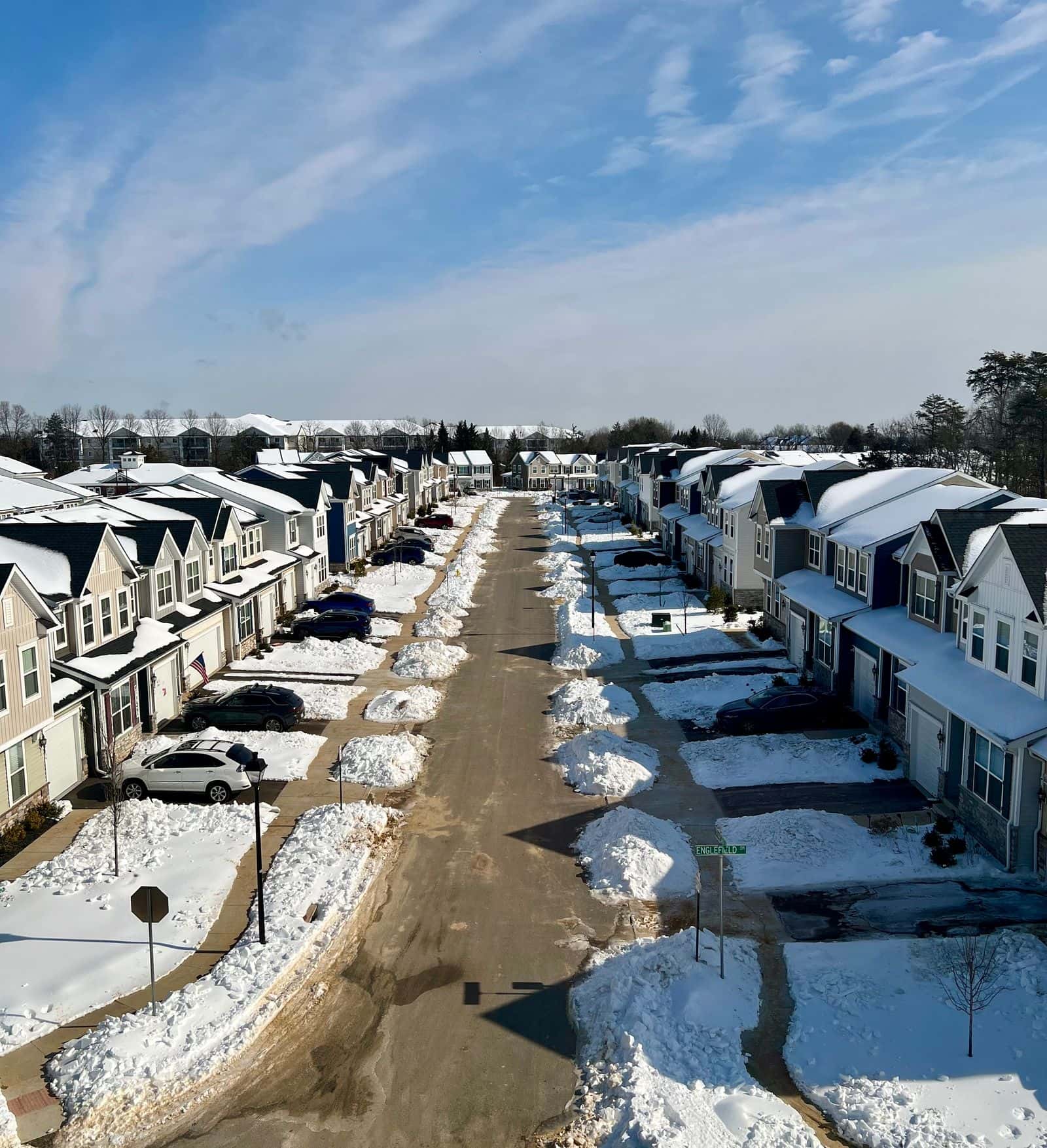
Along the Front Range, from Fort Collins to Colorado Springs, nearly every tree was planted on what was grassland, so watering, alkaline soil and snow on leafed-out trees drive most problems. Emerald ash borer is spreading through these cities.
In mountain communities, the trees are native lodgepole and ponderosa pines, spruce and fir. The mountain pine beetle outbreak of the 2000s killed pines across huge areas, and tree work there centers on dead-tree removal and wildfire mitigation around homes.
Denver's permits and licensing
- Denver: a permit from the Office of the City Forester is required before removing, planting or treating a tree in the public right-of-way, and tree work in the city must be done by a Denver-licensed tree service company, which pulls the permit.
- Emerald ash borer has been confirmed in Boulder (2013) and many other Front Range communities; local firewood and wood-movement guidance applies.
Sources (checked 2026-10-01)
Rules change and details depend on your exact property. Confirm with the city or county before work starts. This isn't legal advice.
Colorado's snowstorm months
- Sept–Oct
- Early snow on leafed trees; shake snow off gently from below
- Winter
- Good time for pruning and removals; watch for downslope winds
- April–May
- Late snowstorms on new leaves
Colorado city guides
Denver has a city overview and a trimming guide built around October and May snow and the city's contractor licensing. Mountain communities add bark beetles and wildfire mitigation, and Front Range cities from Fort Collins to Colorado Springs share the snow-on-leaves problem.
October and May snowstorms, licensed contractors and parkway permits.
Colorado services by season
Early and late snowstorms on leafed-out trees.
Ash borer losses and beetle-killed mountain pines.
Weight reduction on brittle species before fall.
Failing Siberian elms and cottonwoods.
Colorado tree questions
Should I knock snow off my trees in Colorado?
Gently, from below, with a broom, and only snow you can reach safely from the ground. Don't shake heavily loaded limbs or try to remove ice, which can break branches. Never work under loaded limbs near power lines.
Should I plant another ash tree in Colorado?
Generally no. With emerald ash borer spreading along the Front Range, forestry agencies and cities recommend planting a variety of other species instead, so one pest can't wipe out a whole street again.
Does Denver require a licensed tree company?
Yes. Tree work in Denver is done by companies licensed by the city, and work on right-of-way trees also needs a free permit from the Office of the City Forester.
Need tree help in Colorado?
Call to speak with a local tree-service provider about removal, trimming, stumps or storm damage. Describe the tree and what it's near, and they'll explain the next step.