
Desert Southwest region
Tree removal and tree care in Nevada
In Las Vegas and Reno, strong spring and storm winds topple trees in dry, shallow soil, and NV Energy seeks at least 10 feet of clearance between high-voltage lines and branches; keeping trees off your own service line is your responsibility. At Lake Tahoe, removing a live tree over 14 inches in diameter needs a TRPA permit (6 inches between a lakefront house and the lake).
City guides in Nevada
Most Nevadans live in two very different tree environments. In the Las Vegas Valley, every shade tree is planted and irrigated in desert soil. Pines, mulberries, mesquite and other large trees need regular maintenance, and when strong winds sweep the valley, often in spring or with summer thunderstorms, trees in dry soil go over with less wind than you'd expect. Palms generally hold up better. Clark County runs a Community Canopy program to expand shade, especially in hot neighborhoods.
Northern Nevada's Reno and Carson City sit at the edge of the Sierra, with taller conifers, winter snow, and wildfire risk. At Lake Tahoe, the bi-state Tahoe Regional Planning Agency (TRPA) regulates tree removal: in most cases trees under 14 inches can be removed without a permit, and TRPA's agreements with local fire districts let them mark and permit larger trees for defensible space.
Reviewed and updated
Wind, heat, lines and fire in Nevada
Desert wind storms
Dry, shallow soil lets trees topple in Las Vegas wind events.
Power lines
NV Energy seeks 10 feet of clearance; owners must keep trees off their own service line.
Wildfire
Reno, Carson City and Tahoe face wildfire; defensible space shapes tree work.
Heat and irrigation
Non-native shade trees decline without deep, regular irrigation.
Nevada tree rules
- NV Energy trims trees that grow near high-voltage lines, seeking at least 10 feet of clearance, and may remove trees whose trunks are too close. Keeping trees clear of the service line to your home is the property owner's responsibility.
- In the Lake Tahoe Basin, TRPA requires a permit to remove live trees larger than 14 inches DBH (or larger than 6 inches between a lakefront house and the lake); local fire districts can mark and permit trees for defensible space.
- Clark County runs a Community Canopy program to grow tree cover in the Las Vegas Valley.
Sources (checked 2026-10-03)
Rules change and details depend on your exact property. Confirm with the city or county before work starts. This isn't legal advice.
Las Vegas guidance
The Las Vegas guide covers why irrigated desert trees blow over in valley wind storms, NV Energy's clearance rules and your service-line duty, and working in walled yards with pools and HOAs.
Wind storms, desert pines and NV Energy clearance.
Las Vegas Valley, Reno and Lake Tahoe
- The Las Vegas Valley's trees are all planted and irrigated; wind storms on dry soil and summer heat drive most tree work.
- Reno and Carson City have bigger conifers, winter snow and wildfire exposure at the edge of the Sierra.
- Lake Tahoe's Nevada shore follows TRPA rules for tree removal and defensible space.
Nevada's pines, mesquite, palms and Sierra conifers
- Aleppo and Mondell pine
- Large Las Vegas shade pines; wind-throw and limb failure
- Mesquite
- Dense crowns need thinning before windy season
- Fan palms
- Generally wind-tolerant; dead fronds are a fire and fall hazard
- Mulberry
- Older shade trees; heavy limbs
- Jeffrey pine
- Tahoe and Sierra conifer; defensible space and bark beetles
Nevada's seasons for tree work
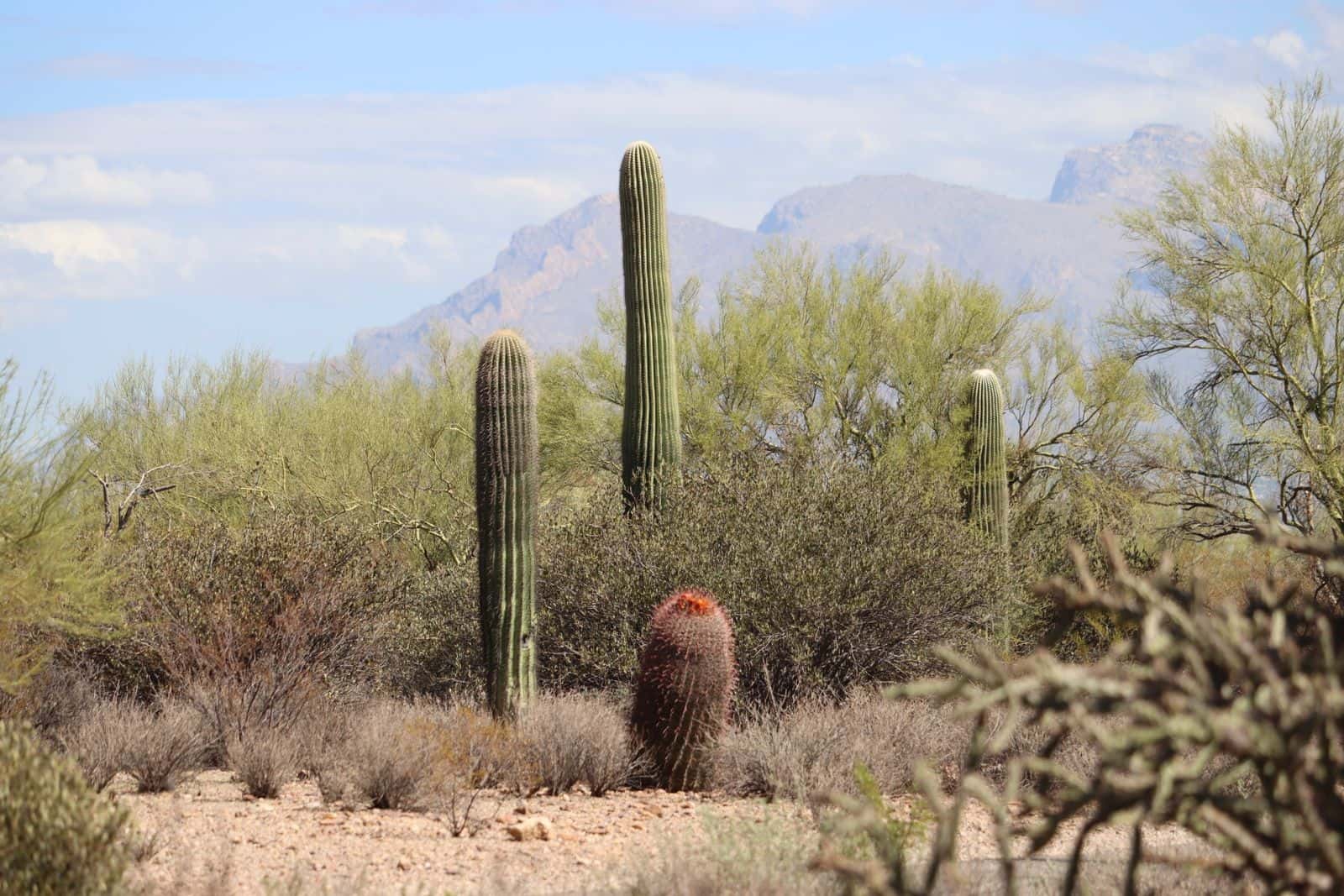
Southern Nevada's windy spring and monsoon summer drive the timing; trim before them. In the north, winter snow and fire season shape the calendar.
- Spring
- Windiest season in Las Vegas; trim before it
- Summer
- Monsoon thunderstorms and heat stress
- Fall–winter
- Snow in the north; good pruning season in the south
Nevada services by risk
Thinning pines and mesquite before windy season.
After Las Vegas wind events.
For declining, over-irrigated or wind-damaged trees.
For leaning pines near houses and walls.
Nevada tree questions
Do I need a permit to remove a tree in Nevada?
There's no statewide permit for private residential trees. Cities manage right-of-way trees, HOAs often have rules, and at Lake Tahoe TRPA permits apply to larger trees.
Who trims trees near power lines in Nevada?
NV Energy trims around high-voltage lines, seeking at least 10 feet of clearance. Keeping trees off the service line to your home is your responsibility.
Do I need a permit to cut a tree at Lake Tahoe?
In the Tahoe Basin, TRPA requires a permit for live trees over 14 inches in diameter, or over 6 inches between a lakefront house and the lake. Local fire districts can permit trees for defensible space.
Why do trees blow over so easily in Las Vegas?
Dry, shallow soil and shallow irrigation leave small root systems, so even moderate wind can tip a big-crowned tree. Deep watering and crown thinning help.
When should I trim trees in southern Nevada?
In late winter, before the windy spring season and summer monsoon storms, with light thinning rather than heavy cutting in the heat.
Are palm trees safer than pines in Las Vegas wind?
Palms generally tolerate wind better than big pines, mulberries and mesquite, but their dead fronds still need removal.
Need tree help in Nevada?
Call to speak with a local tree-service provider about removal, trimming, stumps or storm damage. Describe the tree and what it's near, and they'll explain the next step.