
Los Angeles County, CA
Tree removal in Los Angeles County
In unincorporated Los Angeles County, you need an oak tree permit to remove, cut or even encroach on any oak 8 inches or more in diameter (25 inches around) measured 4.5 feet above the ground. The protected zone runs 5 feet beyond the drip line or 15 feet from the trunk, whichever is greater. Cities in the county, including Los Angeles, have their own tree rules.
Los Angeles County at a glance
- Protected oaks
- 8 in. diameter (25 in. circumference) and up, at 4.5 ft, in unincorporated areas
- Protected zone
- 5 ft beyond the drip line or 15 ft from the trunk, whichever is greater
- Heritage oaks
- 36 in. diameter and up, or historically significant
- Permit from
- LA County Planning (unincorporated); your city if incorporated
- Fire clearance
- 100 ft defensible space in designated fire hazard areas
Reviewed and updated
Unincorporated LA County vs. its 88 cities
Los Angeles County is a patchwork. Unincorporated communities, such as Altadena, East Los Angeles, Topanga, Hacienda Heights and much of the Santa Clarita Valley outside the city, follow county rules, including the county's oak tree ordinance. Incorporated cities, like Los Angeles, Pasadena, Glendale and Santa Clarita, set their own tree rules, and many protect oaks, sycamores, walnuts and other natives.
The first question for any removal in the county is therefore who has jurisdiction over your address. The county's assessor and planning maps show whether a parcel is unincorporated.
The LA County oak tree ordinance
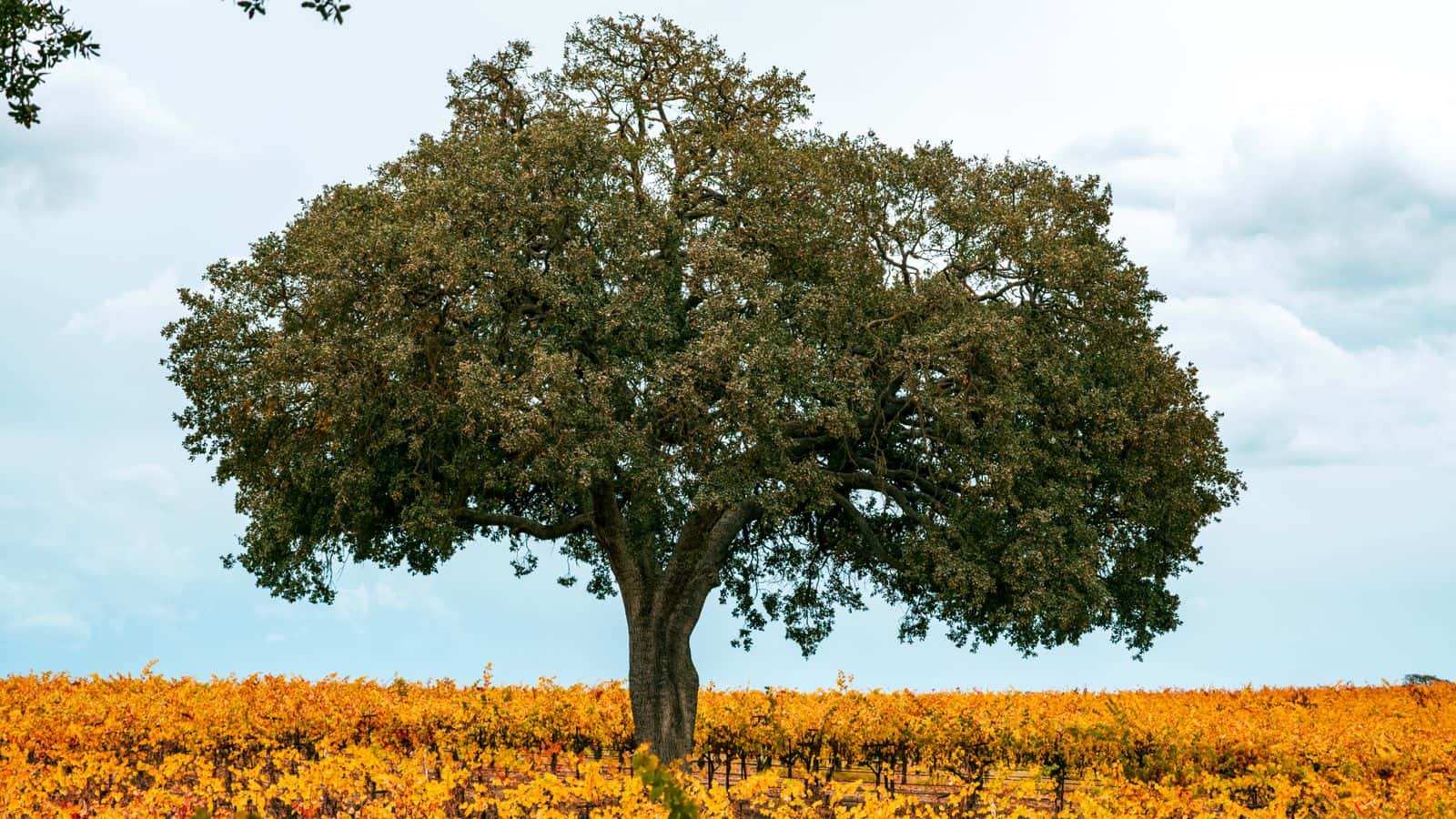
In unincorporated areas, no one may cut, destroy, remove, relocate, damage or encroach into the protected zone of any oak that is 25 inches or more in circumference (8 inches in diameter) at 4.5 feet above natural grade without first getting an oak tree permit. The protected zone extends 5 feet beyond the drip line or 15 feet from the trunk, whichever is greater, so grading, trenching, paving or even heavy equipment parked under an oak can require a permit.
Heritage oaks, 36 inches in diameter or with historical significance, get closer scrutiny. Permits involve an application, an oak tree report by a qualified arborist, a protection plan, fees and sometimes mitigation planting or a public hearing.
Dead, dying and hazardous oaks
A dead oak or one posing an imminent hazard still involves the county; ask Planning how to document it before removal. In a genuine emergency, like an oak split and resting on a house, safety comes first, but photograph everything and have an arborist document the condition so you can show the removal was necessary.
Drought, bark beetles including the invasive shot hole borers, and root damage from construction are the most common reasons oaks decline here.
Wildfire clearance in the foothills and canyons
Much of the county's foothill and canyon land, from Malibu and the Santa Monica Mountains to the San Gabriel foothills, is in designated fire hazard areas, where state law requires 100 feet of defensible space around homes. The county fire department inspects for brush clearance. Tree work for clearance usually means removing dead trees and limbs, keeping branches 10 feet from chimneys and off roofs, and limbing up trees so fire can't climb into them.
Clearance doesn't override the oak ordinance; protected oaks are usually pruned and limbed up rather than removed. The California trimming page covers defensible-space pruning in detail.
Palms, eucalyptus and the trees that cause most calls
Mexican fan palm
- Typical concern
- Very tall; dead fronds are fire fuel and fall hazards
Eucalyptus
- Typical concern
- Large limb drop, shedding bark, fire fuel near structures
Coast live oak
- Typical concern
- Protected; decline from drought, borers and root damage
Ficus
- Typical concern
- Roots lifting sidewalks and invading pipes
Aleppo and other pines
- Typical concern
- Bark beetles in drought-stressed trees
How an oak-country removal is carried out
- 1
Assessment and quote
The company looks at the tree, the drop zone, access for equipment, and nearby targets like the roof, wires and fences. The written quote should say what's included.
- 2
Permits and utilities
If your jurisdiction requires a permit, it's secured first. If the tree is near power lines, the utility may need to make the line safe before anyone climbs.
- 3
Removal
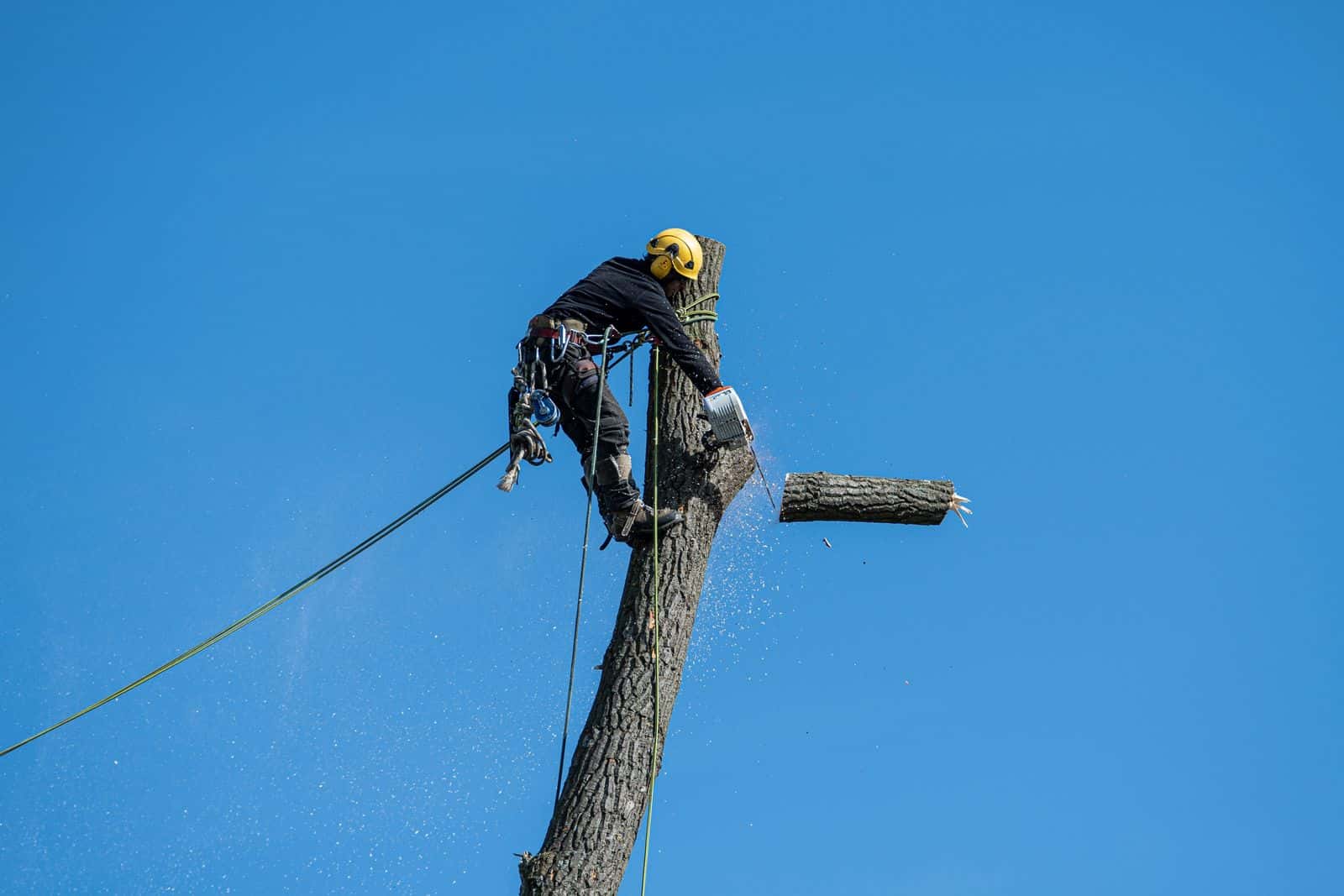
Limbs come off first, then the trunk in sections. Pieces are lowered on ropes (rigging) or lifted out with a crane. Ground crew keep everyone out of the drop zone.
- 4
Cleanup
Brush is chipped, wood is hauled or left as agreed, and the site is raked. The stump is cut low unless grinding is part of the job.
Services in LA County
For defensible-space pruning, palms and roof clearance.
For the arborist report an oak permit or hazard claim needs.
After removal; call 811 first in older neighborhoods with buried lines.
For Santa Ana wind failures on houses and lines.
City pages inside and near LA County
Incorporated cities set their own tree rules, so if your address is inside a city, its page is the better guide. These cover the city rules, common trees and local conditions in more depth.
The City of Los Angeles's own protected-tree rules.
Southern California coastal and wildfire conditions further south.
Santa Ana winds and emergencies
Santa Ana wind events, most common from fall into winter, bring dry gusts that topple shallow-rooted trees and break eucalyptus and pine limbs. Lines down go to Southern California Edison or LADWP depending on your area. A tree on a house is an emergency regardless of species; deal with permits afterward with documentation.
LA County tree removal questions
Do I need a permit to remove an oak tree in Los Angeles County?
In unincorporated areas, yes, for any oak 8 inches or more in diameter at 4.5 feet above the ground. The permit comes from LA County Planning. In an incorporated city, that city's rules apply instead.
How do I know if my address is in unincorporated LA County?
Check the county's assessor or planning maps, or call LA County Planning. Many communities with familiar names, like Altadena and East Los Angeles, are unincorporated.
What is the protected zone of an oak in LA County?
The area within 5 feet beyond the drip line or 15 feet from the trunk, whichever is greater. Digging, paving, grading or heavy equipment there can require a permit even if the tree isn't removed.
Can I trim a protected oak in LA County without a permit?
Light maintenance, like removing small deadwood, is generally treated differently from cutting major limbs. Cutting large limbs or roots can count as damage. Confirm with County Planning before significant pruning.
What happens if I remove an oak without a permit in LA County?
The county can impose penalties and require mitigation such as replacement trees. It's far cheaper to get the permit or documentation first.
Does the City of Los Angeles follow the county oak ordinance?
No. The City of Los Angeles has its own protected-tree ordinance covering native oaks, sycamores, walnuts and bays. See the Los Angeles page.
Do I have to cut my trees for brush clearance in LA County?
In designated fire hazard areas you must maintain defensible space, including removing dead trees and limbs and keeping branches away from chimneys and roofs. Healthy protected oaks are usually pruned, not removed.
Who removes a tree that fell on a power line in LA County?
Southern California Edison or LADWP, depending on your area. Stay away from the line and call 911 if there are sparks or fire.
Why do eucalyptus trees drop branches in LA?
Eucalyptus can shed large limbs suddenly, sometimes on hot, still days, and after drought stress. Large limbs over houses, driveways and play areas should be inspected and reduced.
Who can remove a tree near me in Los Angeles County?
An insured tree service with a California tree contractor license and, for oaks, an arborist who can prepare the oak report. You can call us to reach an independent provider.
Sources for the local facts on this page
- LA County Planning: Oak tree permit Q&A (checked 2026-10-03)
- LA County Planning: Oak tree ordinance update Q&A (checked 2026-10-03)
- Ventura County Fire: Defensible space (PRC 4291) (checked 2026-10-03)
Tree service in Los Angeles County
Call to speak with a local tree-service provider about removal, trimming, stumps or storm damage. Describe the tree and what it's near, and they'll explain the next step.