
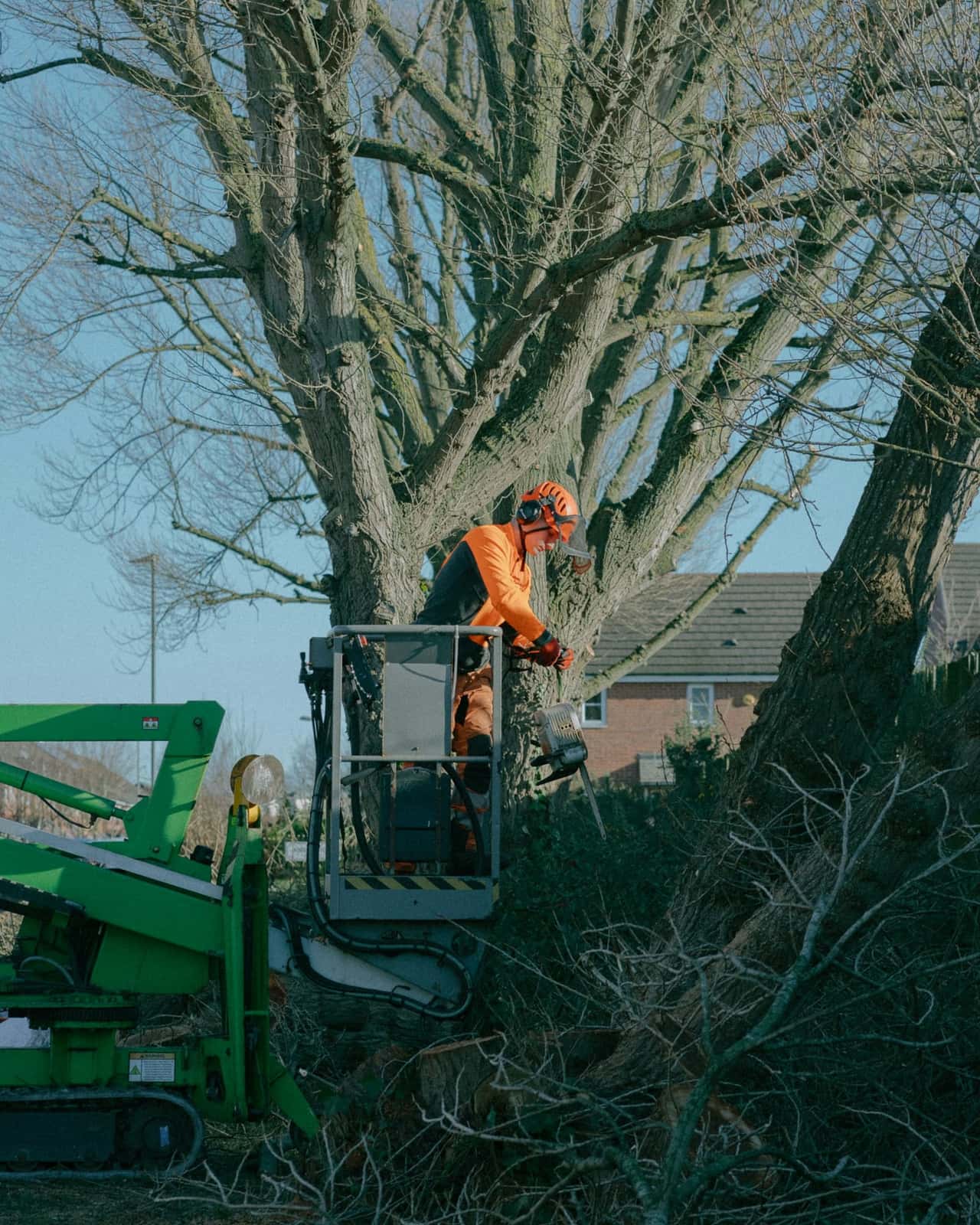
Hazardous Tree Removal · California
Hazardous Tree Removal in Los Angeles County, CA
By calling, you agree that your call may be recorded and routed to an independent local tree-service provider, who may call or text you back about your request. Calling is free and does not obligate you to hire anyone. See our Privacy Policy.
- Free to call
- Independent local providers
- You decide
Tree problems in Los Angeles County, CA that call for hazardous tree removal
- 1
Unincorporated LA County vs. its 88 cities
Los Angeles County is a patchwork. Unincorporated communities, such as Altadena, East Los Angeles, Topanga, Hacienda Heights and much of the Santa Clarita Valley outside the city, follow county rules, including the county's oak tree ordinance. Incorporated cities, like Los Angeles, Pasadena, Glendale and Santa Clarita, set their own tree rules, and many protect oaks, sycamores, walnuts and other natives.
- 2
The LA County oak tree ordinance
In unincorporated areas, no one may cut, destroy, remove, relocate, damage or encroach into the protected zone of any oak that is 25 inches or more in circumference (8 inches in diameter) at 4.5 feet above natural grade without first getting an oak tree permit. The protected zone extends 5 feet beyond the drip line or 15 feet from the trunk, whichever is greater, so grading, trenching, paving or even heavy equipment parked under an oak can require a permit.
- 3
Dead, dying and hazardous oaks
A dead oak or one posing an imminent hazard still involves the county; ask Planning how to document it before removal. In a genuine emergency, like an oak split and resting on a house, safety comes first, but photograph everything and have an arborist document the condition so you can show the removal was necessary.
- 4
Wildfire clearance in the foothills and canyons
Much of the county's foothill and canyon land, from Malibu and the Santa Monica Mountains to the San Gabriel foothills, is in designated fire hazard areas, where state law requires 100 feet of defensible space around homes. The county fire department inspects for brush clearance. Tree work for clearance usually means removing dead trees and limbs, keeping branches 10 feet from chimneys and off roofs, and limbing up trees so fire can't climb into them.
- 5
Santa Ana winds and emergencies
Santa Ana wind events, most common from fall into winter, bring dry gusts that topple shallow-rooted trees and break eucalyptus and pine limbs. Lines down go to Southern California Edison or LADWP depending on your area. A tree on a house is an emergency regardless of species; deal with permits afterward with documentation.
What hazardous tree removal covers
A hazardous tree is a living tree with a defect, such as a crack, decay, a failing root plate or a new lean, that makes it likely to fail onto something that matters: a house, a driveway, a street or a place people use.
How hazardous tree removal works, step by step · part of tree removal
Describe the tree and what it's near, and you'll reach an independent provider serving Los Angeles County, CA.
Call for tree serviceLos Angeles County, CA at a glance
- Protected oaks
- 8 in. diameter (25 in. circumference) and up, at 4.5 ft, in unincorporated areas
- Protected zone
- 5 ft beyond the drip line or 15 ft from the trunk, whichever is greater
- Heritage oaks
- 36 in. diameter and up, or historically significant
- Permit from
- LA County Planning (unincorporated); your city if incorporated
- Fire clearance
- 100 ft defensible space in designated fire hazard areas
Local sources for Los Angeles County, CA
What affects the price of hazardous tree removal in Los Angeles County, CA
The usual drivers are size, access, what's under the tree and cleanup; see the full list for hazardous tree removal.
Hazardous Tree Removal in Los Angeles County, CA: common questions
Unincorporated LA County vs. its 88 cities: what does it mean for hazardous tree removal in Los Angeles County, CA?
Los Angeles County is a patchwork. Unincorporated communities, such as Altadena, East Los Angeles, Topanga, Hacienda Heights and much of the Santa Clarita Valley outside the city, follow county rules, including the county's oak tree ordinance. Incorporated cities, like Los Angeles, Pasadena, Glendale and Santa Clarita, set their own tree rules, and many protect oaks, sycamores, walnuts and other natives.
The LA County oak tree ordinance: what does it mean for hazardous tree removal in Los Angeles County, CA?
In unincorporated areas, no one may cut, destroy, remove, relocate, damage or encroach into the protected zone of any oak that is 25 inches or more in circumference (8 inches in diameter) at 4.5 feet above natural grade without first getting an oak tree permit. The protected zone extends 5 feet beyond the drip line or 15 feet from the trunk, whichever is greater, so grading, trenching, paving or even heavy equipment parked under an oak can require a permit.
Dead, dying and hazardous oaks: what does it mean for hazardous tree removal in Los Angeles County, CA?
A dead oak or one posing an imminent hazard still involves the county; ask Planning how to document it before removal. In a genuine emergency, like an oak split and resting on a house, safety comes first, but photograph everything and have an arborist document the condition so you can show the removal was necessary.
Protected oaks: what it means for hazardous tree removal in Los Angeles County, CA?
8 in. diameter (25 in. circumference) and up, at 4.5 ft, in unincorporated areas
Protected zone: what it means for hazardous tree removal in Los Angeles County, CA?
5 ft beyond the drip line or 15 ft from the trunk, whichever is greater
Other tree services in Los Angeles County, CA
- Tree Removal in Los Angeles County, CA
- Emergency Tree Removal in Los Angeles County, CA
- Storm Damage Tree Removal in Los Angeles County, CA
- Tree Trimming & Pruning in Los Angeles County, CA
- Stump Grinding & Removal in Los Angeles County, CA
- Dead Tree Removal in Los Angeles County, CA
- Large Tree Removal in Los Angeles County, CA
- Tree Risk Assessment in Los Angeles County, CA
- Commercial Tree Services in Los Angeles County, CA
- Land Clearing in Los Angeles County, CA
- Stump Removal in Los Angeles County, CA
- Tree Cutting in Los Angeles County, CA
- Palm Tree Removal in Los Angeles County, CA
- Oak Tree Removal in Los Angeles County, CA
- Pine Tree Removal in Los Angeles County, CA
- Emergency Tree Trimming in Los Angeles County, CA
- Emergency Tree Cutting in Los Angeles County, CA
Hazardous Tree Removal nearby
More about Los Angeles County, CA: tree removal in Los Angeles County, CA · all locations
Need hazardous tree removal in Los Angeles County, CA?
Call to reach an independent tree-service provider that serves Los Angeles County, CA. Calling is free and you decide whether to hire anyone.
By calling, you agree that your call may be recorded and routed to an independent local tree-service provider, who may call or text you back about your request. Calling is free and does not obligate you to hire anyone. See our Privacy Policy.