Charleston, SC · Charleston County
Tree removal in Charleston, South Carolina
In the City of Charleston, trees 24 inches or more in diameter, except pines and sweetgums, are grand trees, and they can't be removed without city approval. Hazardous, diseased or irreparably damaged trees are approved after a city inspection; healthy grand trees may need Board of Zoning Appeals review. Hurricanes, flooding and saltwater are the main threats to the Lowcountry's live oaks and pines.
Live oaks are central to Charleston's identity, and the city protects them. A healthy grand oak usually can't simply be cut down because it's inconvenient. Removal requests start with a city inspection, and where removal is approved for development, the board often requires replanting.
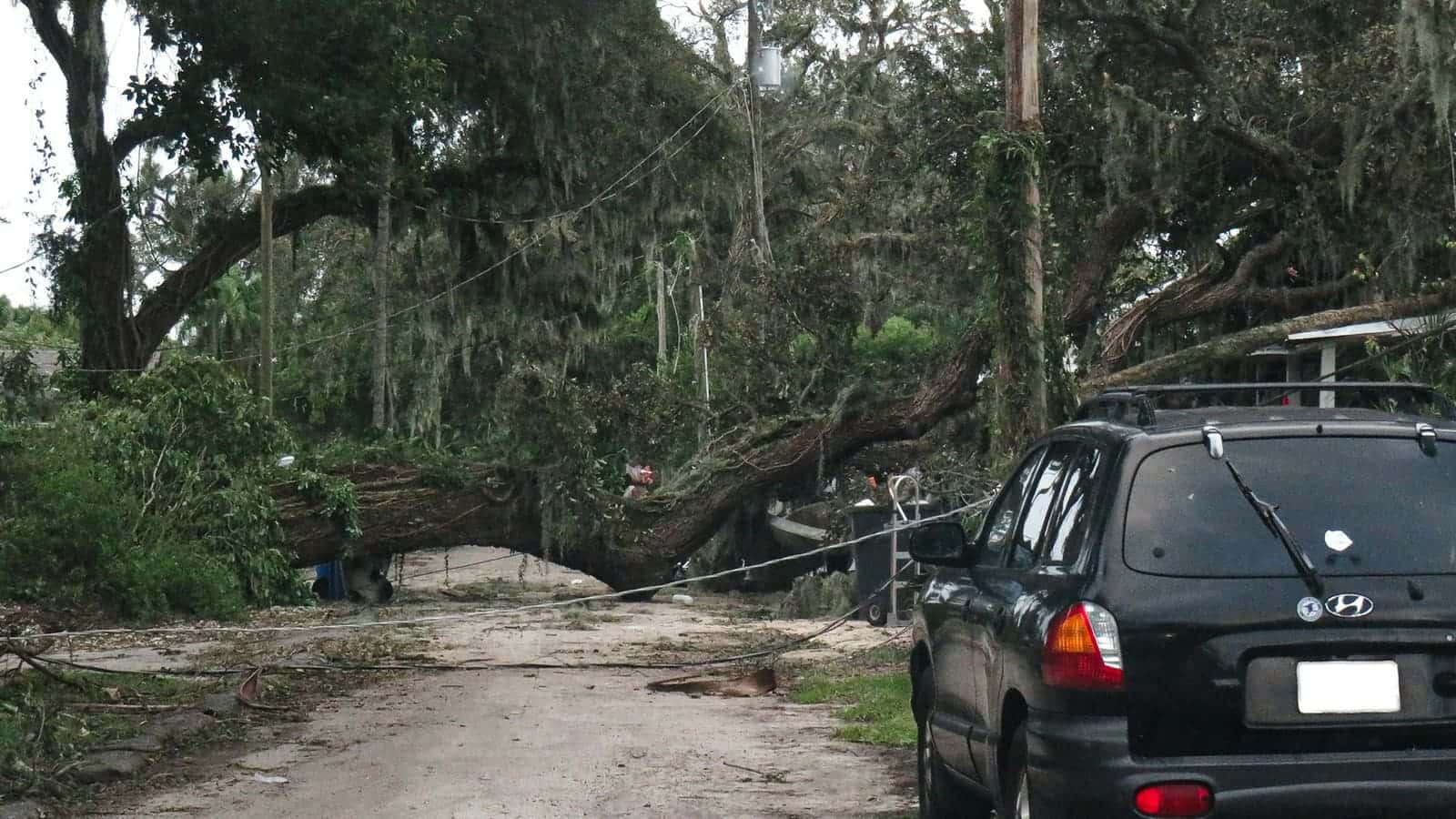
Hurricane Hugo in 1989 still defines storm memory here. Since then, tropical storms and king tides have brought repeated flooding to low-lying areas, and saltwater intrusion stresses trees in marsh-edge neighborhoods. Pines on James Island, West Ashley and Daniel Island are the most frequent storm failures.
Reviewed and updated
What the city looks at in a grand tree inspection
- Whether the tree is hazardous: decay, cracks, root failure or lean toward a target.
- Disease or injury severe enough that the tree can't recover.
- Damage to a habitable building that can't be fixed without removing the tree.
- Otherwise, a healthy grand tree is generally kept, and removal requests may go to the Board of Zoning Appeals–Site Design.
Charleston's grand tree protections
- Grand trees, meaning trees 24 inches or more in diameter at 4.5 feet (excluding pines and sweetgums), can't be removed without city approval.
- A tree inspection request starts the process. Hazardous, diseased or irreparably damaged trees, or trees causing unfixable damage to a habitable building, are approved for removal; other requests may go to the Board of Zoning Appeals–Site Design.
Sources (checked 2026-10-01)
Rules change and details depend on your exact property. Confirm with the city or county before work starts. This isn't legal advice.
Hurricanes, flooding and tall pines
Grand tree protection
Trees 24 inches or more in diameter (except pines and sweetgums) need city approval to remove.
Hurricanes
Hugo (1989) and later storms brought widespread tree loss across the Lowcountry.
Flooding and saltwater
Tidal flooding and storm surge stress trees near marshes.
Tall pines
Loblolly pines are the most common storm failures in suburban areas.
Live oaks, palmettos, pines and magnolias
- Southern live oak
- Protected grand trees; wind-firm
- Sabal palmetto
- State tree; very wind-tolerant
- Loblolly pine
- Excluded from grand tree protection; storm risk
- Laurel and water oak
- Decay-prone; frequent failures
- Southern magnolia
- Dense evergreen; holds up well
King tides, salt and marsh-edge trees
Low parts of the peninsula, James Island and West Ashley see tidal flooding more often than they used to, and storm surge pushes salt water further inland. Salt in the root zone causes browning and dieback that may not appear until weeks after the water recedes.
Live oaks, palmettos and southern magnolias tolerate occasional salt better than many other trees. Pines and water oaks in low spots that flood repeatedly are the ones most likely to decline.
Historic peninsula lots and suburban yards
Historic peninsula lots are narrow with walls and gardens; suburban lots in West Ashley, James Island and Mount Pleasant have big oaks and pines close to homes, often on wet ground.
Dominion Energy and Berkeley Electric serve different parts of the area; find out which serves your house, since that's who clears trees from its lines after a storm.
Charleston services, from grand oaks to storm pines
Hurricane and tropical storm cleanup.
The documentation a grand tree inspection may need.
Structural pruning on live oaks before hurricane season.
Pines and non-protected trees; grand trees need approval.
Trees on houses and lines during storms.
Charleston questions
Can I remove a live oak from my Charleston yard?
If it's 24 inches or more in diameter, it's a grand tree and needs city approval. Request an inspection; hazardous or badly damaged trees are approved, while healthy trees may require a Board of Zoning Appeals hearing.
Do pines count as grand trees in Charleston?
No. Pines and sweetgums are excluded from the grand tree definition, though other permits may still apply on development sites.
How should live oaks be pruned before hurricane season?
Remove dead and broken limbs and reduce long, heavy limbs over structures, ideally in late winter or spring. Avoid stripping interior branches, which makes limbs more likely to fail.
Is Spanish moss killing my Charleston oak?
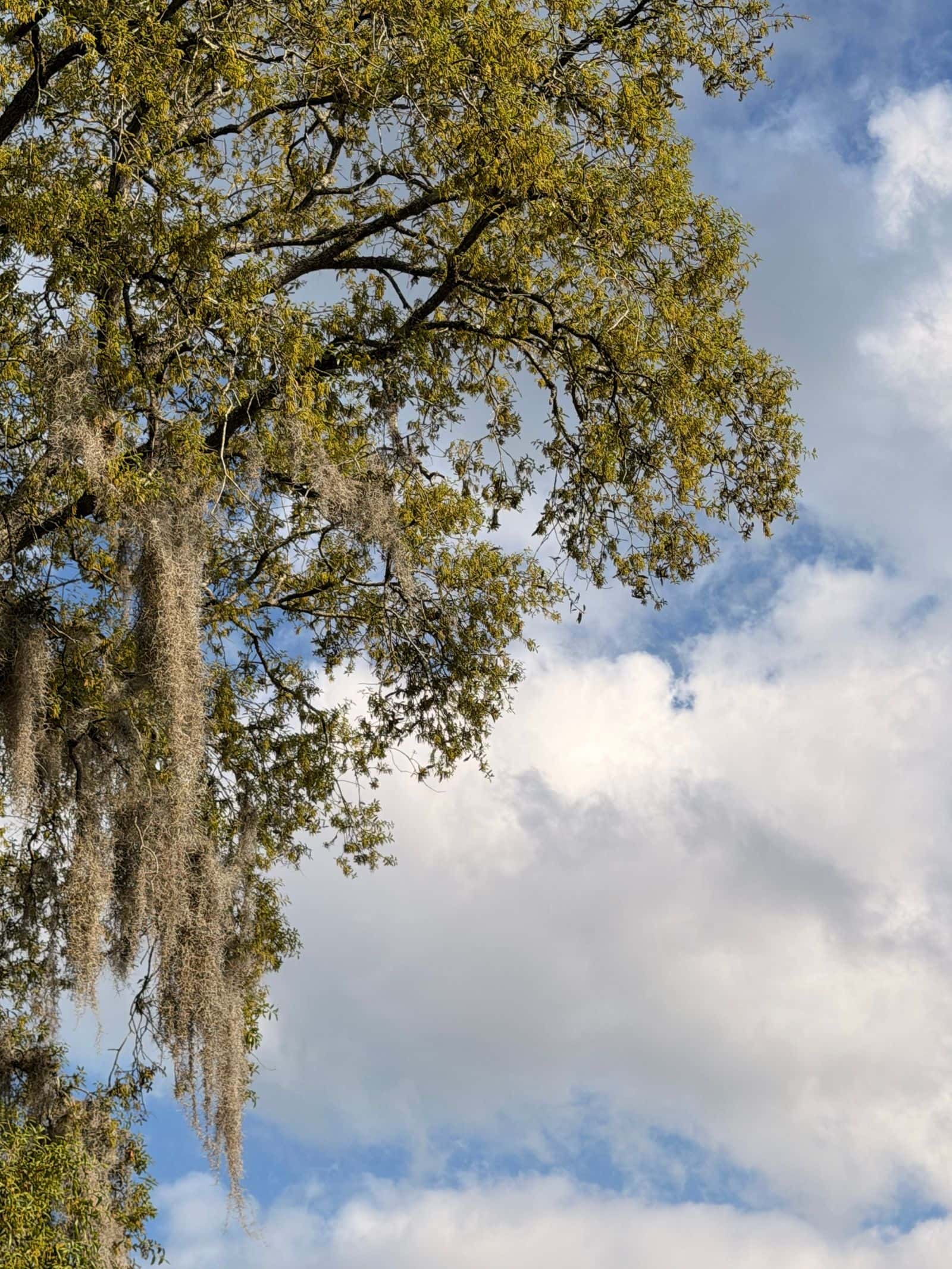
No. Spanish moss isn't a parasite; it just uses the tree for support. Heavy moss adds some weight and is more visible on declining trees with thin canopies, but it isn't the cause of decline.
Calls are routed to independent local tree-service providers. How calling works
More local guides
Need tree help in Charleston?
Call to speak with a local tree-service provider about removal, trimming, stumps or storm damage. Describe the tree and what it's near, and they'll explain the next step.