Virginia Beach, VA · City of Virginia Beach County
Tree removal in Virginia Beach
Virginia Beach tree emergencies come from hurricanes and nor'easters pushing tall pines over in wet, sandy soil. Single-family homeowners generally don't need a permit to remove a tree on their own lot, except in Chesapeake Bay Resource Protection Areas (the buffers along water and wetlands), in tree preservation areas on approved site plans, and in the city right-of-way, where any work needs a permit.
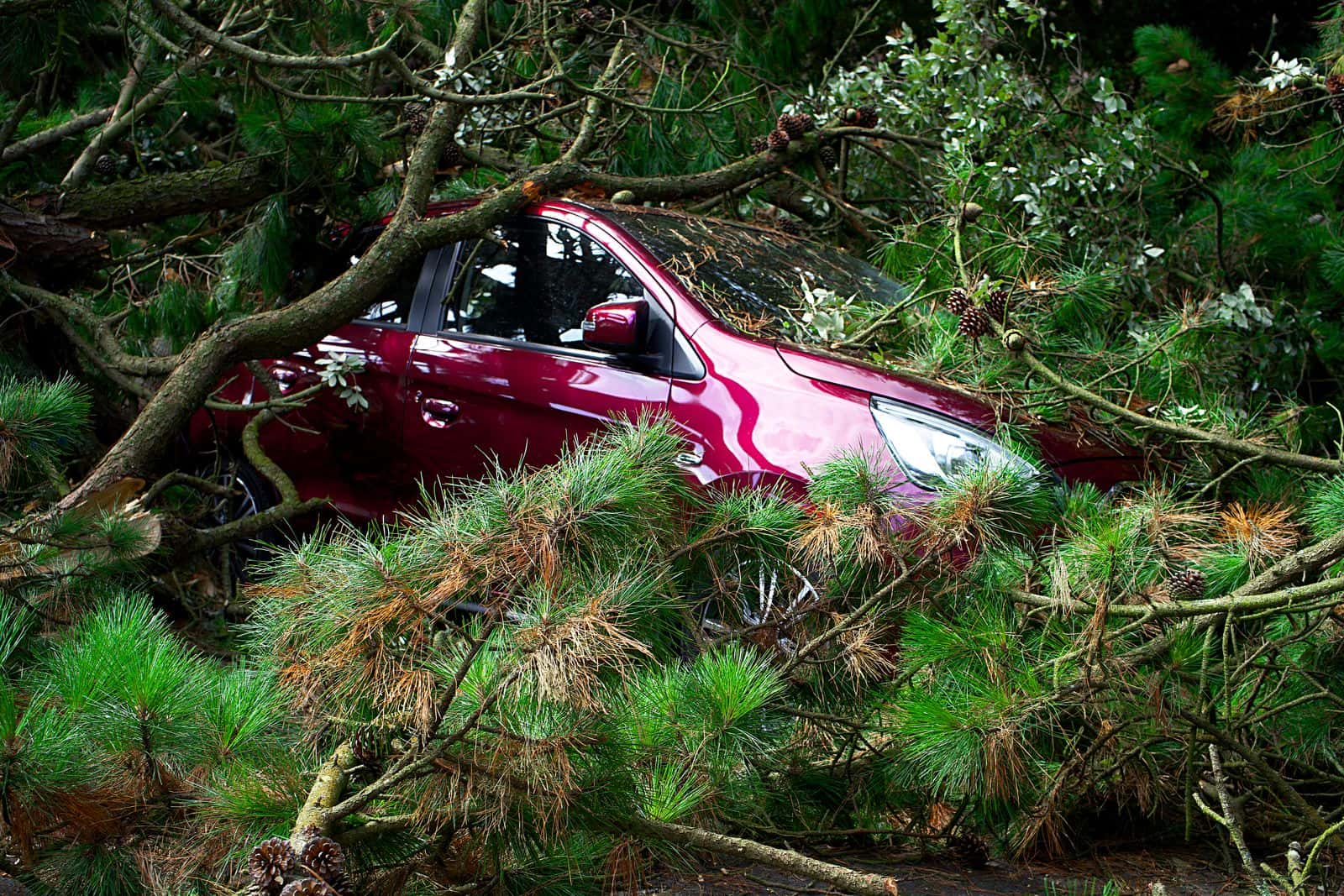
Much of the city sits only a few feet above sea level, with a high water table and sandy soil. Loblolly pines grow tall and fast with relatively shallow roots, and after days of rain a nor'easter or tropical storm can push them over onto roofs and cars. Lightning strikes on pines are common, and struck trees often die later from beetles.
Waterfront neighborhoods along Lynnhaven, Rudee Inlet, Back Bay and the many canals and creeks are often partly inside a Resource Protection Area. Clearing trees there needs city review and usually replanting. Virginia Beach also sits near the northern edge of live oak's range, with old live oaks around First Landing State Park.
Reviewed and updated
Hurricanes, nor'easters and a high water table
Hurricanes and nor'easters
Sustained wind on saturated sandy soil topples pines and oaks across the city.
High water table
Shallow roots make trees prone to uprooting after heavy rain.
Chesapeake Bay buffers
Trees in Resource Protection Areas along water and wetlands need city approval to remove.
Lightning-struck loblollies
The tallest loblolly on a coastal lot takes the strikes; a spiral strip of missing bark is the sign, and decline can follow over the next season.
Working on trees inside a Resource Protection Area
- 1
Confirm whether the trees are in the RPA
Lots along tidal water, wetlands and connected streams often include a protected buffer; the city's planning office can tell you where the line falls.
- 2
Separate hazards from preferences
Dead, diseased or dangerous trees are usually handled differently from healthy trees you'd simply like gone.
- 3
Expect replanting
Approved removals in the buffer commonly come with a replanting requirement to keep the shoreline vegetated.
- 4
Get approval before the crew comes
Cutting first and asking later can mean fines and required restoration.
Canal-side lots and soft ground
Suburban lots with tall pines close to houses, many backing onto canals, lakes or wetlands; soft, wet ground can limit heavy equipment after rain.
Waterfront jobs often combine buffer approvals, soft ground and limited access from the water side, so they take longer to schedule. Dry-weather windows help a lot.
Virginia Beach's tree rules for homeowners
- Single-family homeowners outside protected areas generally don't need a permit to remove trees on their own lot.
- Permits are needed for tree removal in Chesapeake Bay Resource Protection Areas, in tree preservation areas designated on approved site plans, and for any activity in a city-owned right-of-way or easement.
Sources (checked 2026-10-01)
Rules change and details depend on your exact property. Confirm with the city or county before work starts. This isn't legal advice.
Loblolly pines, oaks and the live oaks at their northern edge
- Loblolly pine
- Tall, shallow-rooted on wet soil; wind and lightning risk
- Willow and water oak
- Large yard trees; water oak decays with age
- Southern live oak
- At its northern limit here; wind-firm
- Red maple
- Common in wet sites; weak forks
- Crape myrtle
- Ubiquitous small tree; often over-pruned
Which local trees handle wind and wet ground
Southern live oak
- In storms
- Generally wind-firm
- Notes
- Keep and maintain; heavy limbs over roofs may need reduction
Loblolly pine
- In storms
- Can snap or uproot in saturated soil
- Notes
- Most common storm failure near houses
Water oak
- In storms
- Prone to decay and breakage with age
- Notes
- Inspect older trees near structures
Red maple
- In storms
- Weak forks split in wind
- Notes
- Structural pruning when young helps
Virginia Beach services by situation
Pines down after nor'easters and tropical storms.
Tall pines over houses, with buffer approval where needed.
Trees on roofs and cars during storms.
Documenting hazards, including trees inside protected buffers.
Outside the buffer; inside it, stumps are often left to hold soil.
Virginia Beach questions
My lot backs onto a canal. Can I remove trees along the water?
Probably not without approval. Waterfront areas are often inside a Chesapeake Bay Resource Protection Area. Contact the city's planning office before cutting; dead or hazardous trees are often approved with replanting.
Can equipment get into a soggy Virginia Beach backyard?
Often not right after rain. Lawns over a high water table rut badly under trucks, so crews may lay mats, use a small tracked loader, or wait a few dry days for non-urgent work. Ask how they plan to protect the yard.
Why do so many trees fall in Virginia Beach nor'easters?
Nor'easters bring days of rain and wind together. The sandy soil and high water table saturate quickly, so roots lose their grip just as the wind peaks.
Calls are routed to independent local tree-service providers. How calling works
More local guides
Need tree help in Virginia Beach?
Call to speak with a local tree-service provider about removal, trimming, stumps or storm damage. Describe the tree and what it's near, and they'll explain the next step.