
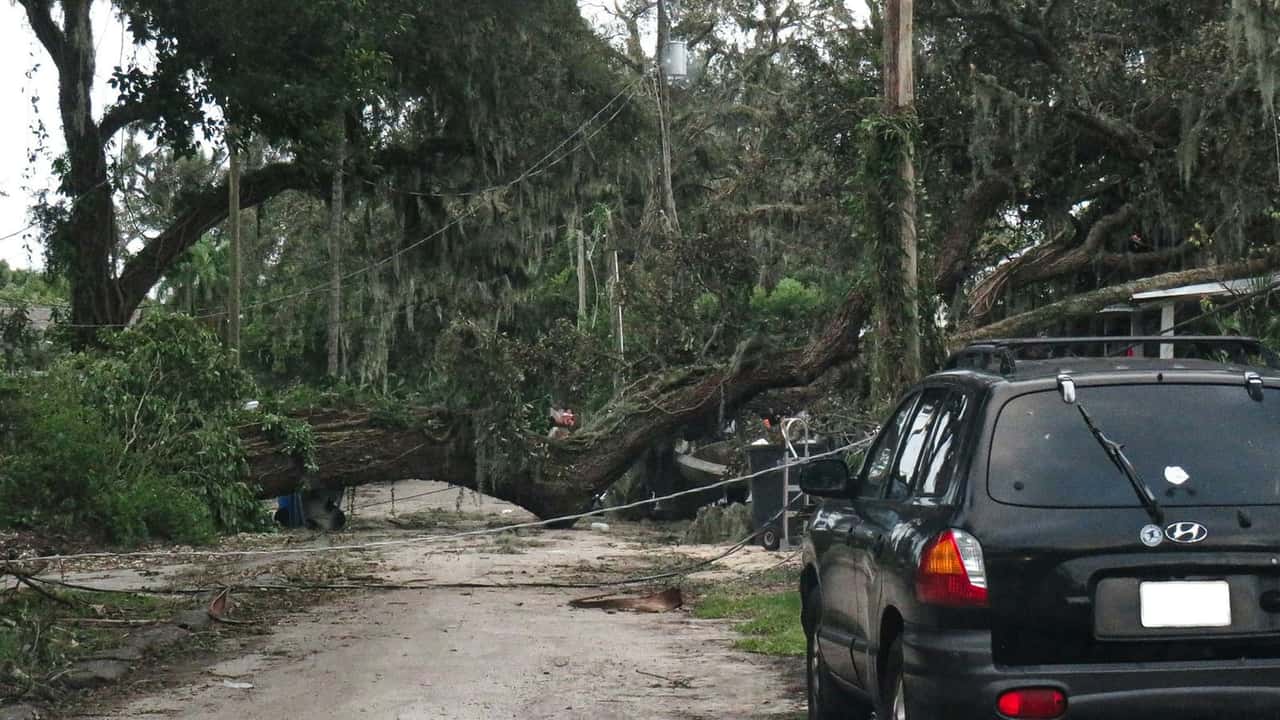
Storm Damage Tree Removal · South Carolina
Storm Damage Tree Removal in Charleston, SC
By calling, you agree that your call may be recorded and routed to an independent local tree-service provider, who may call or text you back about your request. Calling is free and does not obligate you to hire anyone. See our Privacy Policy.
- Free to call
- Independent local providers
- You decide
Tree problems in Charleston, SC that call for storm damage cleanup
- 1
Hurricanes
Hugo (1989) and later storms brought widespread tree loss across the Lowcountry.
- 2
Flooding and saltwater
Tidal flooding and storm surge stress trees near marshes.
- 3
Tall pines
Loblolly pines are the most common storm failures in suburban areas.
What storm damage tree removal covers
After a storm, the job is to sort trees into three groups: down and needing removal, damaged but savable with pruning, and standing but newly dangerous.
How storm damage tree removal works, step by step · part of tree removal
Describe the tree and what it's near, and you'll reach an independent provider serving Charleston, SC.
Call about a tree emergencySafety first in Charleston, SC
Stay well away from any downed wire and anything touching it. Call 911 for injuries or lines down, then the utility.
What you can safely do
- Stay inside during the storm and away from windows on the side facing large trees.
- Afterward, look for hangers before walking under any tree.
- Check whether your city is running a curbside debris program before paying to haul brush.
- Keep all receipts. Tree work may count toward insurance or disaster-assistance claims.
Leave these to professionals
- Don't run a chainsaw on wood that's bent, pinned or twisted. It can spring violently when cut.
- Don't approach any tree near downed lines. Lines can be live even when the power is out.
- Don't hire a company that wants full payment before starting.
Trees in Charleston, SC that most often need storm damage cleanup
- Southern live oak
- Protected grand trees; wind-firm
- Sabal palmetto
- State tree; very wind-tolerant
- Loblolly pine
- Excluded from grand tree protection; storm risk
Tree rules and permits in Charleston, SC
- Grand trees, meaning trees 24 inches or more in diameter at 4.5 feet (excluding pines and sweetgums), can't be removed without city approval.
- A tree inspection request starts the process. Hazardous, diseased or irreparably damaged trees, or trees causing unfixable damage to a habitable building, are approved for removal; other requests may go to the Board of Zoning Appeals–Site Design.
Sources (checked 2026-10-01)
Rules change and details depend on your exact property. Confirm with the city or county before work starts. This isn't legal advice.
What affects the price of storm damage cleanup in Charleston, SC
The usual drivers are size, access, what's under the tree and cleanup; see the full list for storm damage cleanup.
In Charleston, SC: Historic peninsula lots are narrow with walls and gardens; suburban lots in West Ashley, James Island and Mount Pleasant have big oaks and pines close to homes, often on wet ground.
Storm Damage Tree Removal in Charleston, SC: common questions
Do I need a permit for storm Damage Tree Removal in Charleston, SC?
Grand trees, meaning trees 24 inches or more in diameter at 4.5 feet (excluding pines and sweetgums), can't be removed without city approval. A tree inspection request starts the process. Hazardous, diseased or irreparably damaged trees, or trees causing unfixable damage to a habitable building, are approved for removal; other requests may go to the Board of Zoning Appeals–Site Design.
Which trees in Charleston, SC most often need storm damage cleanup?
Southern live oak: protected grand trees; wind-firm Sabal palmetto: state tree; very wind-tolerant Loblolly pine: excluded from grand tree protection; storm risk
Hurricanes: what does it mean for storm damage cleanup in Charleston, SC?
Hugo (1989) and later storms brought widespread tree loss across the Lowcountry.
Flooding and saltwater: what does it mean for storm damage cleanup in Charleston, SC?
Tidal flooding and storm surge stress trees near marshes.
Tall pines: what does it mean for storm damage cleanup in Charleston, SC?
Loblolly pines are the most common storm failures in suburban areas.
How do access and lot layout in Charleston, SC affect storm damage cleanup?
Historic peninsula lots are narrow with walls and gardens; suburban lots in West Ashley, James Island and Mount Pleasant have big oaks and pines close to homes, often on wet ground.
Other tree services in Charleston, SC
- Tree Removal in Charleston, SC
- Emergency Tree Removal in Charleston, SC
- Tree Trimming & Pruning in Charleston, SC
- Stump Grinding & Removal in Charleston, SC
- Dead Tree Removal in Charleston, SC
- Hazardous Tree Removal in Charleston, SC
- Large Tree Removal in Charleston, SC
- Tree Risk Assessment in Charleston, SC
- Commercial Tree Services in Charleston, SC
- Land Clearing in Charleston, SC
- Stump Removal in Charleston, SC
- Tree Cutting in Charleston, SC
- Palm Tree Removal in Charleston, SC
- Oak Tree Removal in Charleston, SC
- Pine Tree Removal in Charleston, SC
- Emergency Tree Trimming in Charleston, SC
- Emergency Tree Cutting in Charleston, SC
Storm Damage Tree Removal nearby
More about Charleston, SC: tree removal in Charleston, SC · all locations
Need storm damage cleanup in Charleston, SC?
Call to reach an independent tree-service provider that serves Charleston, SC. Calling is free and you decide whether to hire anyone.
By calling, you agree that your call may be recorded and routed to an independent local tree-service provider, who may call or text you back about your request. Calling is free and does not obligate you to hire anyone. See our Privacy Policy.