Omaha, NE · Douglas County
Tree removal in Omaha
Omaha is where emerald ash borer was first confirmed in Nebraska, in Pulaski Park on June 9, 2016, and dead ash are now a common removal. The city's most remembered tree storm is October 25–26, 1997, when more than a foot of heavy wet snow on leafed-out trees shredded the canopy and cut power to about 150,000 people. Pine wilt also kills Scots and Austrian pines here.
In late October 1997, leaves were still on Omaha's trees when more than 12 inches of heavy wet snow fell. Limbs broke across the city, power went out for about 150,000 in Omaha, and cleanup cost tens of millions of dollars. Early and late snow on leafed-out trees is still the storm that does the most damage here.
Emerald ash borer arrived in 2016, and Omaha's ash, planted widely along streets and in yards, have been dying since. Dead ash become brittle, so removing them on your schedule is safer and cheaper than waiting for a storm. Pine wilt adds another loss: Scots and Austrian pines that turn brown in weeks.
Reviewed and updated
Ash borer, snow and pine wilt
Emerald ash borer
Confirmed in Omaha in June 2016; ash decline and turn brittle.
Snow on leafed-out trees
October 1997: more than a foot of wet snow shredded the canopy.
Pine wilt
Kills Scots and Austrian pines.
Plains storms
Wind, hail and ice break brittle trees.
The October 1997 storm
On October 25–26, 1997, more than a foot of heavy, wet snow fell on trees still in full leaf. The weight snapped limbs and whole trees across Omaha, cut power to about 150,000 people and took weeks to clean up. Some locals still call it the tree-shredder storm.
The lesson: trees with long, heavy limbs and weak forks fail first under early or late snow. Late-winter pruning to reduce those limbs is the best preparation.
Ash, maples, pines and oaks
- Ash
- Emerald ash borer; treat or remove
- Silver maple
- Brittle; snow breakage
- Scots and Austrian pine
- Pine wilt
- Bur oak
- Tough native
- Honeylocust and linden
- Common street trees
Dundee, Benson and west Omaha
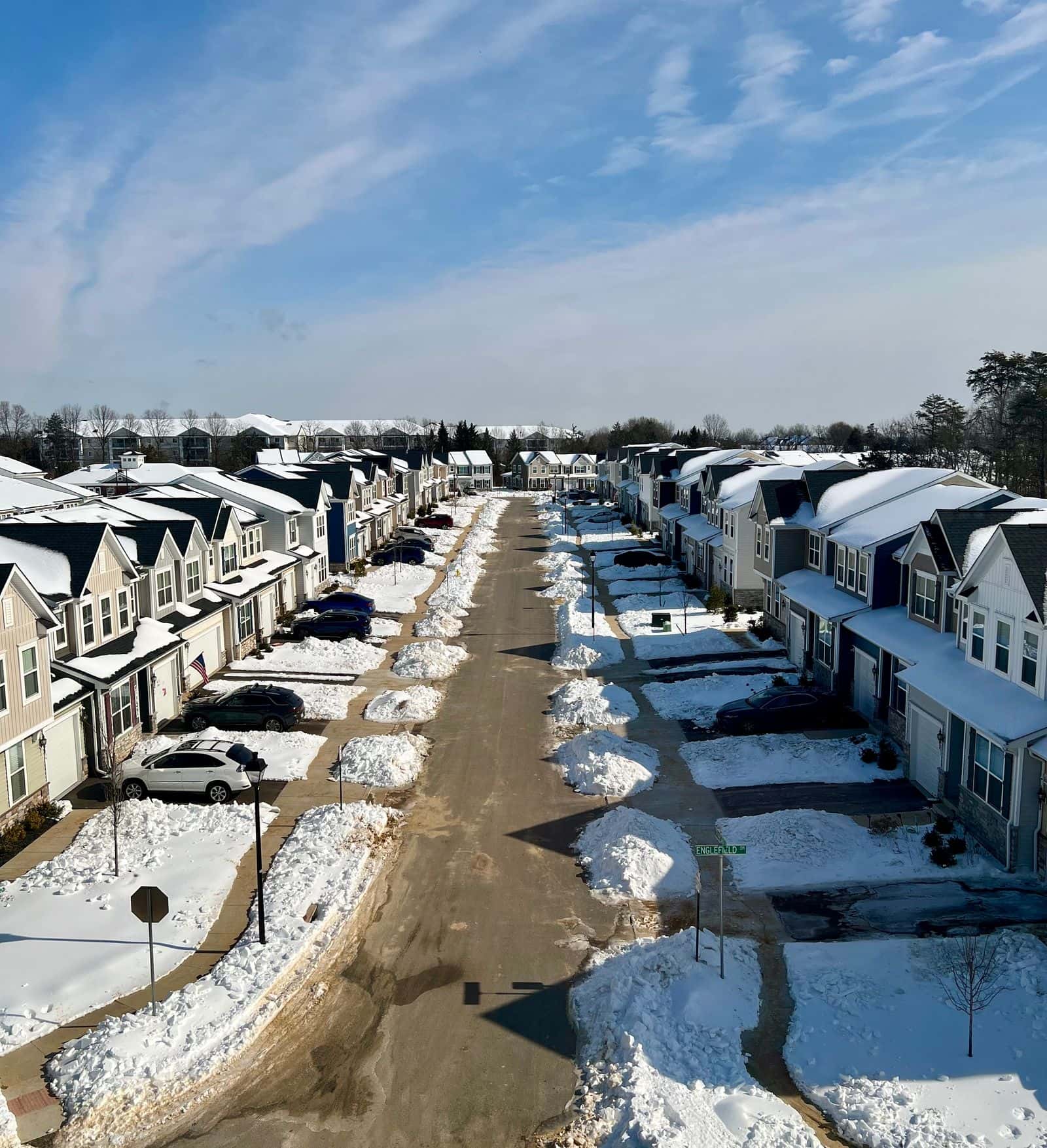
Older neighborhoods like Dundee, Benson and Florence have mature street and yard trees close to houses and lines, so removals are often rigged down in sections. Western Omaha subdivisions have younger trees, many of them ash planted in the same era, which means whole blocks lose trees at once.
Ash borer and pine wilt guidance
- Emerald ash borer was confirmed by the Nebraska Department of Agriculture in Omaha's Pulaski Park on June 9, 2016.
- Nebraska Extension recommends removing pine-wilt-killed pines and destroying the wood before beetles emerge.
Sources (checked 2026-10-03)
Rules change and details depend on your exact property. Confirm with the city or county before work starts. This isn't legal advice.
Omaha services
For ash and pine-wilt pines.
After snow, ice and wind.
Reducing weak limbs before snow season.
For trees too damaged to keep.
After removal.
Ash decisions in Omaha
Healthy, near the house
- Usual choice
- Treat
Thinning, under a third of crown lost
- Usual choice
- Treat or plan removal
A third or more dead
- Usual choice
- Remove
Dead
- Usual choice
- Remove promptly
Omaha tree questions
When was emerald ash borer found in Omaha?
June 9, 2016, in a tree in Pulaski Park, the first confirmation in Nebraska.
What did the October 1997 snowstorm do to Omaha's trees?
More than a foot of heavy wet snow on leafed-out trees broke limbs citywide and cut power to about 150,000 people in Omaha.
Should I treat or remove my ash in Omaha?
Treat healthy, valuable ash; remove declining ones before they turn brittle.
Who handles trees on power lines in Omaha?
OPPD, and 911 for sparks or fire.
Why did my pine die so fast?
Likely pine wilt, which kills Scots and Austrian pines within weeks. Remove and destroy it before spring.
How can I protect trees from early snow in Omaha?
Reduce long, heavy limbs and weak forks in late winter, and gently brush snow off low branches during storms.
Calls are routed to independent local tree-service providers. How calling works
More local guides
Need tree help in Omaha?
Call to speak with a local tree-service provider about removal, trimming, stumps or storm damage. Describe the tree and what it's near, and they'll explain the next step.