St. Louis, MO · City of St. Louis County
Tree removal in St. Louis
In the City of St. Louis, pruning, spraying or removing a city tree needs a Permit to Maintain from the Division of Forestry, issued only to tree services with an ISA Certified Arborist on staff. Trees on your own lot need no city permit.
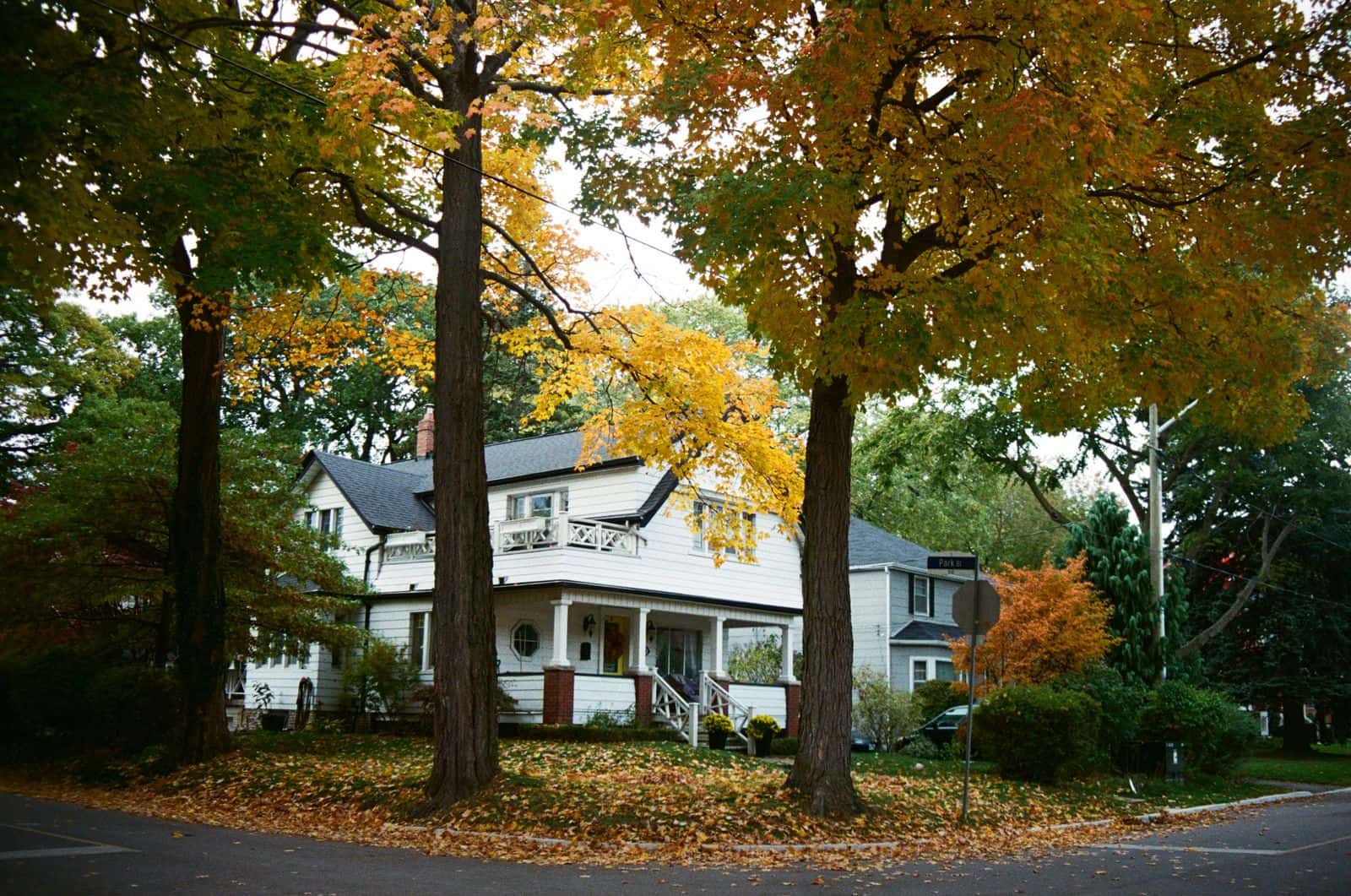
St. Louis's brick neighborhoods, like Tower Grove, Soulard, the Central West End and South City, have mature canopies planted a century ago. Pin oaks are everywhere, and in the area's alkaline soils many develop iron chlorosis: yellow leaves, thinning crowns and dead limbs.
Ice storms and spring thunderstorms are the main storm threats, and emerald ash borer has worked through the region's ash. Missouri's Ameren handles trees on its lines, but trees on your property, including limbs that fall into the alley, are the owner's responsibility.
Reviewed and updated
St. Louis's Permit to Maintain for city trees
- The City Tree Ordinance (Ordinance 68607) requires a Permit to Maintain from the Division of Forestry for any pruning, spraying or removal of a city tree.
- Permits are issued only to commercial tree services with at least one ISA Certified Arborist on staff and current licenses. The owner or the contractor may apply.
- Report problems with city trees to the Division of Forestry; trees on private property are the owner's responsibility.
Sources (checked 2026-10-01)
Rules change and details depend on your exact property. Confirm with the city or county before work starts. This isn't legal advice.
Pin oaks, silver maples, sweetgums and ash
- Pin oak
- Very common; chlorosis and decline
- Silver maple
- Large, brittle; ice and wind breakage
- Sweetgum
- Surface roots lift sidewalks and walks
- Ash
- Emerald ash borer
- Callery pear
- Splits in ice storms
Pin oak decline, ice and ash borer
City Permit to Maintain
Any pruning, spraying or removal of a city tree requires a Division of Forestry permit, issued only to services with an ISA Certified Arborist.
Pin oak decline
Alkaline soils cause chlorosis and dieback in the city's many pin oaks.
Ice storms and spring storms
Freezing rain and severe thunderstorms bring down brittle limbs onto alleys, garages and lines.
Emerald ash borer
Untreated ash in yards and alleys are dead or declining.
Pin oak decline: treat, monitor or replace
Pin oaks struggle in St. Louis's alkaline soils, and the decline is gradual. Where a tree sits on that scale decides the answer:
Pale, yellow-green leaves with green veins; full canopy
- Usual approach
- Iron or manganese treatment from an arborist can help
Yellowing plus thinning or small dead twigs at the top
- Usual approach
- Treat and monitor; plan a replacement nearby
Dead limbs dropping, large areas of the crown bare
- Usual approach
- Removal is usually the safer choice
Sweetgum roots, sidewalks and old brick
Sweetgums were widely planted in St. Louis and develop thick surface roots that lift sidewalks, walkways and garden walls. Cutting those roots to repair a walk can destabilize the tree or open it to decay.
Before root pruning a big sweetgum, have an arborist mark which roots can go. Sometimes rerouting or ramping the walk over roots is the better fix, and sometimes it's the moment to replace the tree with something better suited to a narrow strip.
Brick homes, alleys and garages
Brick homes on narrow lots with alleys behind, detached garages, and overhead lines along the alley. Most backyard trees are accessed and removed from the alley, often in sections over garages.
Ameren handles trees on its lines, which often run along the alley behind the garage. A crew removing a backyard tree may need the utility to make a line safe before work starts.
St. Louis services and how they fit
Declining pin oaks and storm-damaged maples.
Pin oak and sweetgum decisions near houses.
City trees need a Permit to Maintain; backyard trees don't.
Ice and spring storm cleanup.
Ash killed by emerald ash borer.
St. Louis questions
Can I hire my own company to trim the city tree in front of my St. Louis house?
Yes, with a Permit to Maintain from the Division of Forestry. The company must have an ISA Certified Arborist on staff. Either you or the contractor can apply.
My pin oak has yellow leaves. Is it dying?
Yellow leaves with green veins usually mean iron chlorosis from alkaline soil. Early cases can be treated; trees with heavy dieback and falling dead limbs are usually better replaced.
A limb from my tree fell into the alley. Who clears it?
If the tree is on your property, clearing it is your responsibility. If a limb is on wires, call Ameren and stay clear. For a city tree that dropped the limb, report it to the Division of Forestry.
How do crews remove a backyard tree behind a St. Louis brick home?
Usually from the alley. A bucket truck or crane sets up there, and wood is lowered over the garage in sections. Overhead lines along the alley often decide how the tree is cut, so the job may take longer than an open-yard removal.
Calls are routed to independent local tree-service providers. How calling works
More local guides
Need tree help in St. Louis?
Call to speak with a local tree-service provider about removal, trimming, stumps or storm damage. Describe the tree and what it's near, and they'll explain the next step.