Sacramento, CA · Sacramento County
Tree removal in Sacramento
Sacramento, which calls itself the "City of Trees," regulates trees on private property. Native oaks, California buckeye and California sycamore 12 inches in diameter or more are protected, as are trees 24 inches and larger on undeveloped, commercial and multifamily properties. Most tree emergencies come from winter storms on saturated soil and from drought-weakened elms and oaks.
The city's older neighborhoods, like Land Park, East Sacramento and Curtis Park, have huge elms, sycamores, oaks and pecans planted over a century ago. Many are now very large and aging. When atmospheric-river storms bring wind and soaking rain, as in the winter storms of January 2023, large trees fall onto houses, cars and power lines across the region.
Valley oaks and other natives are sensitive to summer irrigation near the trunk and to root damage from construction, which is part of why the city protects them.
Reviewed and updated
Why January storms bring Sacramento's tree calls
Sacramento's rain arrives in winter, often in a few strong storms. After days of rain, soil in the older neighborhoods can't hold big elms and oaks against gusty wind, and whole trees come down along with limbs.
Two things make it worse: very large, aging street and yard trees planted a century ago, and dry summers that leave some trees with weakened roots or dead limbs going into the wet season. Fall is the time to deal with deadwood and obvious defects.
Sacramento's protected tree rules (City Code 12.56)
- Sacramento City Code 12.56 protects private trees: native Valley oak, blue oak, interior live oak, coast live oak, California buckeye and California sycamore at 12 inches DSH or more, and any tree at 24 inches or more on undeveloped land or commercial, industrial or apartment properties.
- Approved permits are required before work on city trees or private protected trees.
Sources (checked 2026-10-01)
Rules change and details depend on your exact property. Confirm with the city or county before work starts. This isn't legal advice.
Caring for a valley oak you can't remove
Valley oaks are protected for good reason, and they're easy to harm by accident. They evolved with dry summers, so the usual risks come from yard care, not neglect:
- Don't water heavily near the trunk in summer; wet soil around the root crown encourages oak root fungus.
- Avoid lawn and irrigation inside the dripline when you can.
- Don't raise or lower the soil grade around the tree, or pave over its roots.
- Prune only dead or hazardous wood without a plan; heavy live-wood cuts stress mature oaks.
Storms, drought and an aging canopy
Winter storms on saturated soil
Atmospheric rivers bring wind and heavy rain; large trees uproot (January 2023).
Aging planted canopy
Century-old elms, sycamores and oaks in central neighborhoods are declining.
Drought and heat
Hot, dry summers stress non-native trees; summer limb drop occurs.
Protected natives
Valley oaks and other natives need permits, and summer watering at the trunk harms them.
Valley oaks, elms, sycamores and redwoods
- Valley oak
- Protected at 12 inches; sensitive to irrigation and root damage
- American and Chinese elm
- Large, aging; Dutch elm disease risk for American elms
- London plane / sycamore
- Common; anthracnose and large limbs
- Coast redwood
- Planted widely; drought stress
- Chinese pistache
- Common replacement street tree
Alleys, garages and big canopies in older neighborhoods
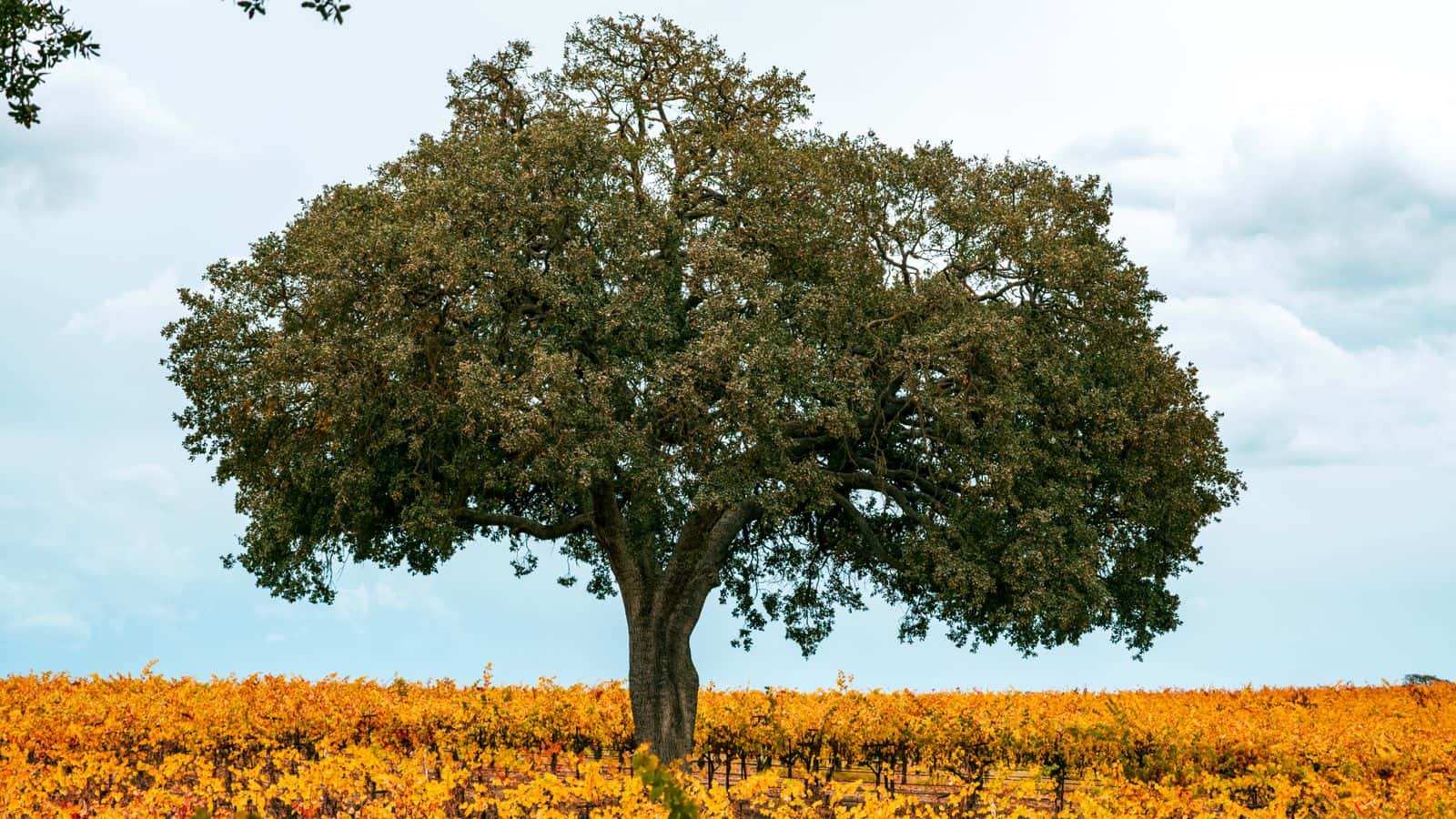
Older neighborhoods have alleys, detached garages and overhead lines under large canopies, so many removals are rigged out over garages and fences rather than dropped. Newer suburbs in Natomas and south Sacramento have smaller trees but tighter lots, and many were built where valley oaks once stood, so remaining native oaks there are often protected.
In Land Park, East Sacramento and Curtis Park, a single removal can involve rigging over a garage, coordinating with SMUD for the service line, and protecting neighbors' fences. Newer suburbs are simpler but have young trees that need structural pruning more than removal.
Sacramento services and when they're the right call
Deadwood and structural pruning on big elms and oaks before winter.
Non-protected trees and approved removals of protected ones.
Winter storm cleanup on saturated ground.
The documentation Sacramento expects for protected-tree work.
After removals; check for valley oak roots before grinding nearby.
Sacramento tree questions
Do I need a permit to remove an oak in Sacramento?
If it's a listed native oak 12 inches in diameter or more on private property, yes. Sacramento requires a permit for private protected trees.
Who takes care of the street tree in front of my Sacramento house?
City trees are managed by the city's Urban Forestry section; work on them requires a permit, and you can request service through 311.
Who trims trees near power lines in Sacramento?
SMUD, the city's public electric utility, maintains clearance around its power lines using qualified line-clearance crews. If a tree on your property is touching or close to a line, contact SMUD rather than hiring a regular tree crew for that part of the work.
Calls are routed to independent local tree-service providers. How calling works
More local guides
Need tree help in Sacramento?
Call to speak with a local tree-service provider about removal, trimming, stumps or storm damage. Describe the tree and what it's near, and they'll explain the next step.