
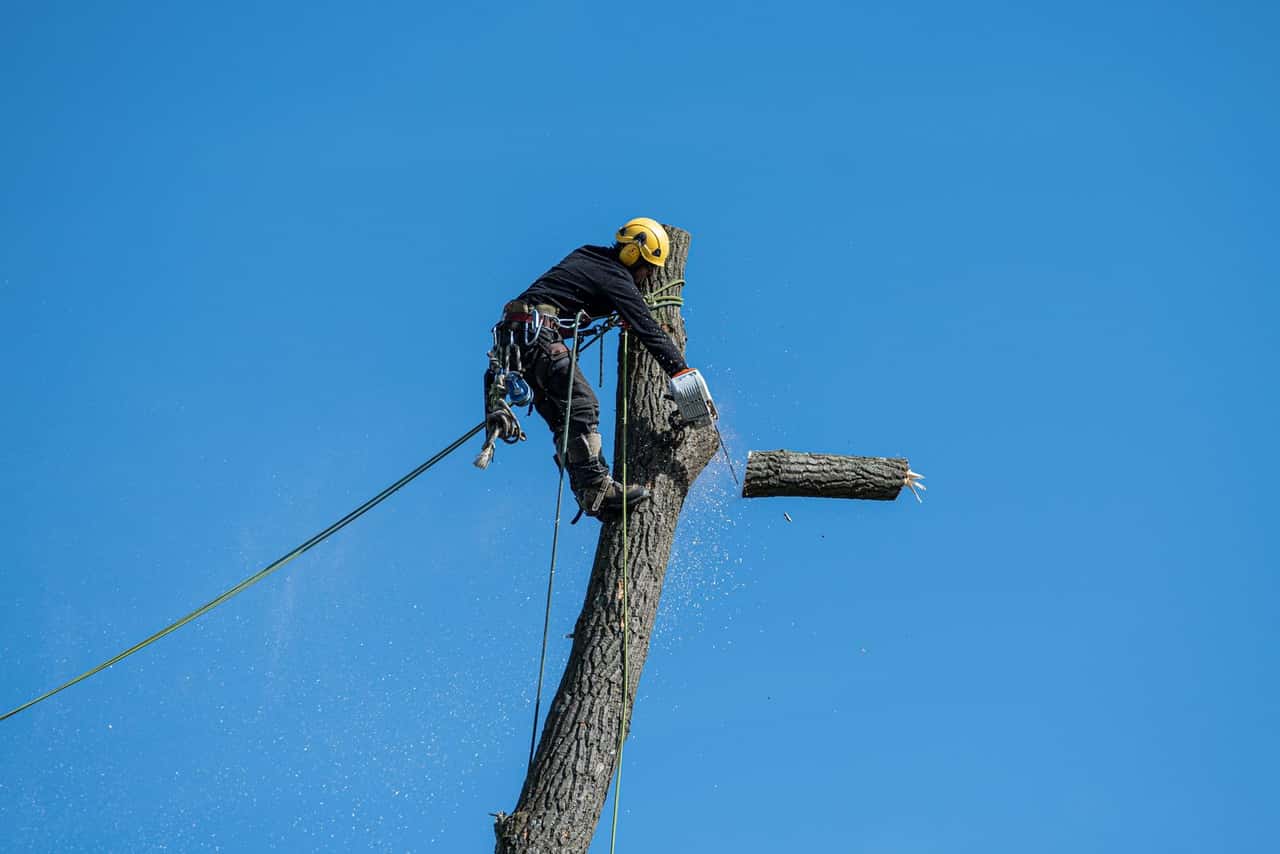
Dead Tree Removal · Statewide
Dead Tree Removal in California
By calling, you agree that your call may be recorded and routed to an independent local tree-service provider, who may call or text you back about your request. Calling is free and does not obligate you to hire anyone. See our Privacy Policy.
- Free to call
- Independent local providers
- You decide
Tree problems in California that call for dead tree removal
- 1
Drought and bark beetles
Stressed pines and other conifers are attacked by bark beetles; dead trees near homes and roads become priority removals.
- 2
Wildfire
State law requires defensible space around structures in many fire-prone areas, which often means limbing up, thinning and removing dead vegetation near the home.
- 3
Protected natives
Native oaks, sycamores and others are protected in many cities; removal without a permit can bring heavy penalties.
What dead tree removal covers
A dead tree should be removed if it could hit anything when it falls, such as a house, driveway, road, fence or play area.
How dead tree removal works, step by step · part of tree removal
Describe the tree and what it's near, and you'll reach an independent provider serving California.
Call for tree serviceTrees in California that most often need dead tree removal
- Coast live oak and valley oak
- Protected in many jurisdictions; sensitive to summer watering and root damage
- Eucalyptus
- Large, heavy limbs, fire-prone bark; frequent wind failures
- Canary Island and Mexican fan palms
- Common in Southern California; need regular dead-frond removal
- Monterey and Aleppo pine
- Pests and drought stress; wind failures
- Western sycamore
- Protected in Los Angeles; subject to anthracnose
- Coast redwood (in cities)
- Planted widely; struggles with drought inland
Timing in California
- Winter
- Dormant pruning for deciduous trees; atmospheric-river storms and saturated soils
- Spring
- Defensible-space work ahead of fire season
- Summer–Fall
- Drought stress, summer limb drop, fire season; offshore wind events from fall into winter
Tree rules and permits in California
- Los Angeles protects native oaks (except scrub oak), Southern California black walnut, western sycamore and California bay laurel measuring 4 inches or more in cumulative diameter, plus two native shrubs; removal requires a permit from the city's Urban Forestry Division.
- Sacramento protects native oaks, California buckeye and California sycamore 12 inches DSH and larger on private property, plus trees 24 inches and larger on undeveloped, commercial and multifamily properties.
- In State Responsibility Areas and very high fire hazard severity zones, California law (Public Resources Code 4291) requires defensible space around structures.
Sources (checked 2026-10-01)
Rules change and details depend on your exact property. Confirm with the city or county before work starts. This isn't legal advice.
What affects the price of dead tree removal in California
The usual drivers are size, access, what's under the tree and cleanup; see the full list for dead tree removal.
Dead Tree Removal in California: common questions
Do I need a permit for dead Tree Removal in California?
Los Angeles protects native oaks (except scrub oak), Southern California black walnut, western sycamore and California bay laurel measuring 4 inches or more in cumulative diameter, plus two native shrubs; removal requires a permit from the city's Urban Forestry Division. Sacramento protects native oaks, California buckeye and California sycamore 12 inches DSH and larger on private property, plus trees 24 inches and larger on undeveloped, commercial and multifamily properties.
Which trees in California most often need dead tree removal?
Coast live oak and valley oak: protected in many jurisdictions; sensitive to summer watering and root damage Eucalyptus: large, heavy limbs, fire-prone bark; frequent wind failures Canary Island and Mexican fan palms: common in Southern California; need regular dead-frond removal
When is the best time for dead tree removal in California?
Winter: Dormant pruning for deciduous trees; atmospheric-river storms and saturated soils Spring: Defensible-space work ahead of fire season
Drought and bark beetles: what does it mean for dead tree removal in California?
Stressed pines and other conifers are attacked by bark beetles; dead trees near homes and roads become priority removals.
Wildfire: what does it mean for dead tree removal in California?
State law requires defensible space around structures in many fire-prone areas, which often means limbing up, thinning and removing dead vegetation near the home.
Protected natives: what does it mean for dead tree removal in California?
Native oaks, sycamores and others are protected in many cities; removal without a permit can bring heavy penalties.
Other tree services in California
- Tree Removal in California
- Emergency Tree Removal in California
- Storm Damage Tree Removal in California
- Tree Trimming & Pruning in California
- Stump Grinding & Removal in California
- Hazardous Tree Removal in California
- Large Tree Removal in California
- Tree Risk Assessment in California
- Commercial Tree Services in California
- Land Clearing in California
- Stump Removal in California
- Tree Cutting in California
- Palm Tree Removal in California
- Oak Tree Removal in California
- Pine Tree Removal in California
- Emergency Tree Trimming in California
- Emergency Tree Cutting in California
Dead Tree Removal nearby
More about California: tree removal in California · all locations
Need dead tree removal in California?
Call to reach an independent tree-service provider that serves California. Calling is free and you decide whether to hire anyone.
By calling, you agree that your call may be recorded and routed to an independent local tree-service provider, who may call or text you back about your request. Calling is free and does not obligate you to hire anyone. See our Privacy Policy.