
Tulsa, OK · Tulsa County
Tree removal in Tulsa
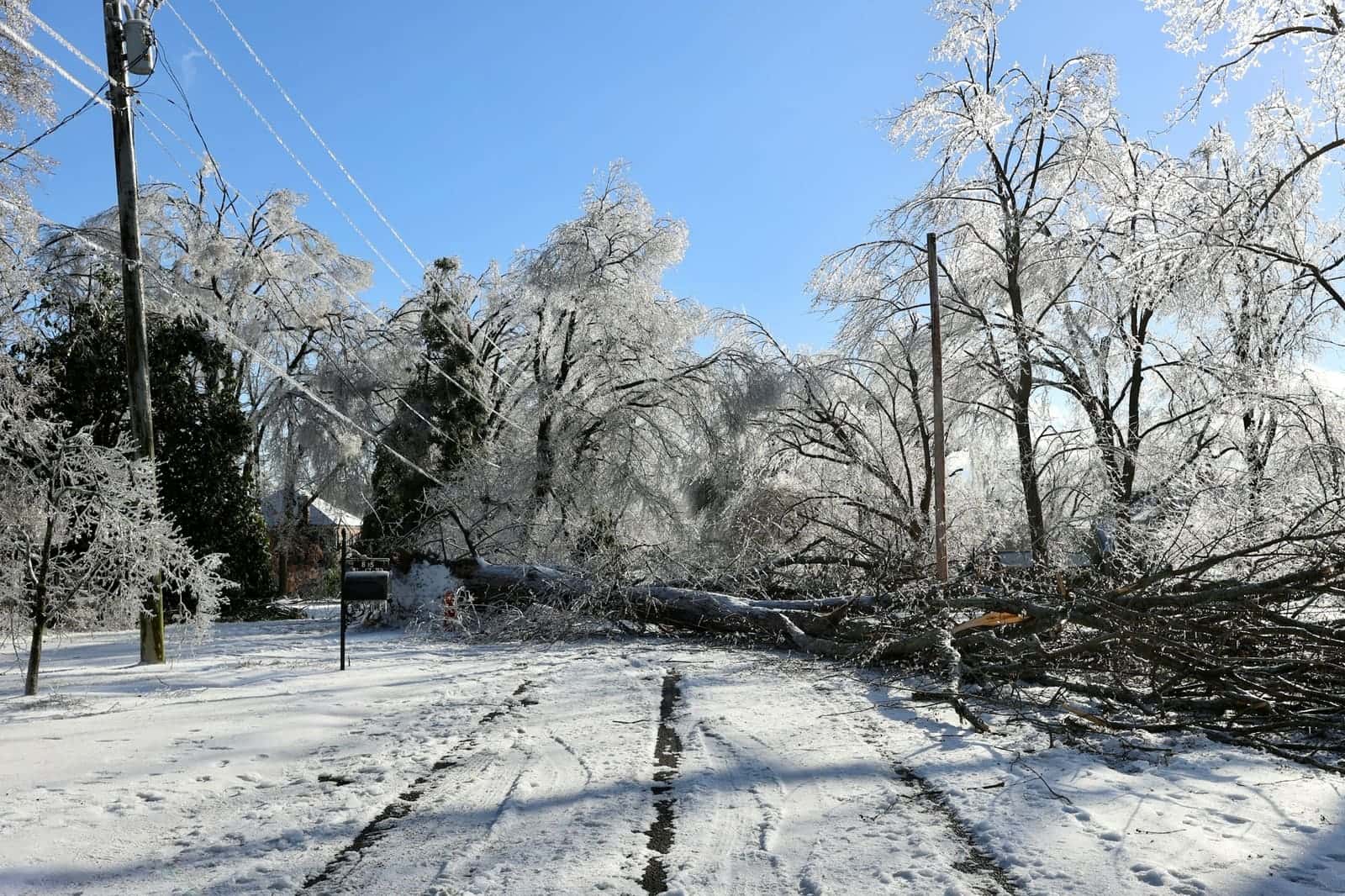
In Tulsa, property owners are responsible for trees in the right-of-way next to their property, including removing dead or damaged ones, which isn't the case in many cities. The December 2007 ice storm left about 3 million cubic yards of debris and took around 18 months to clean up, and ice remains the city's biggest tree threat, along with spring tornadoes and straight-line winds.
The 2007 ice storm reshaped Tulsa's canopy. Bradford pears, silver maples and Siberian elms shattered under the ice, while native oaks generally held up better. Many neighborhoods replanted afterward, and the city now publishes recommended and prohibited species lists.
Midtown neighborhoods like Maple Ridge, Florence Park and Brookside have big, mature trees close to homes, with overhead lines along alleys and streets. Owners there handle trees in the strip along the street themselves, so cleanup after a storm is often the homeowner's job.
Reviewed and updated
Ice, wind and owner-maintained right-of-way trees
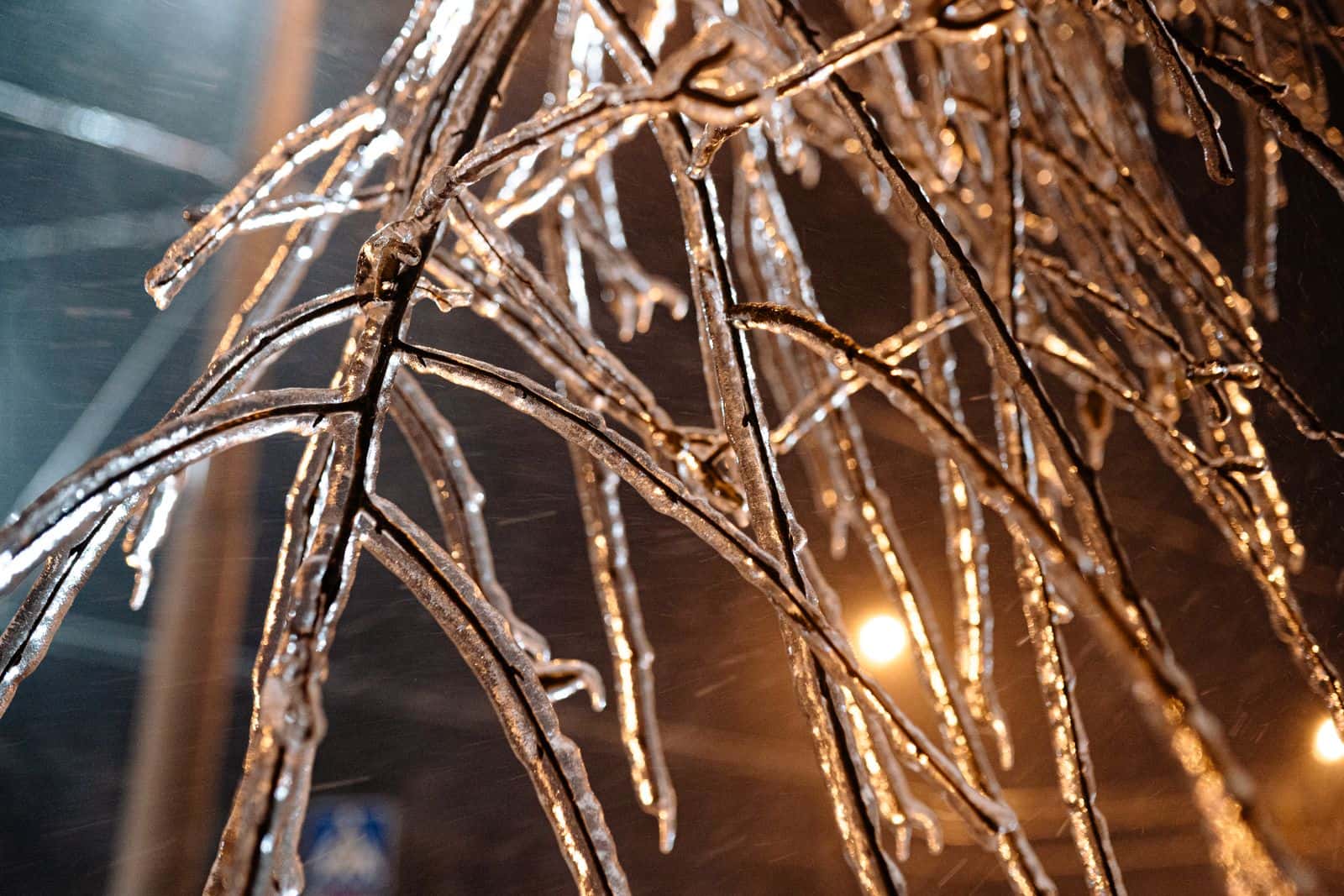
Ice storms
December 2007's storm produced about 3 million cubic yards of debris and 18 months of cleanup.
Owner-maintained right-of-way trees
Owners maintain and remove dead or damaged trees in the right-of-way abutting their property.
Tornadoes and straight-line winds
Spring storms snap and uproot trees across the metro.
Weak-wooded planted trees
Bradford pear, silver maple and Siberian elm fail first in ice.
Post oaks, pears, silver maples and pecans
- Post and blackjack oak
- Native, ice-tolerant oaks
- Bradford pear
- Shatters in ice; prohibited for zoning-code plantings
- Silver maple
- Brittle; also on the prohibited list
- Pecan and hackberry
- Common large yard trees
- Siberian elm
- Weak-wooded volunteer
Tulsa's right-of-way and species rules
- Property owners are responsible for the care and maintenance of trees and other vegetation in the right-of-way abutting their property, including removing dead or damaged trees.
- Planting in the right-of-way requires a Right-of-Way clearance permit and a license agreement from the city.
- Trees planted to meet Tulsa Zoning Code requirements can't be prohibited species, which include Callery (Bradford) pear, silver maple, tree-of-heaven and green and white ash.
Sources (checked 2026-10-01)
Rules change and details depend on your exact property. Confirm with the city or county before work starts. This isn't legal advice.
Looking after the right-of-way strip you're responsible for
- 1
Know where your responsibility starts
In Tulsa, owners maintain trees and vegetation in the right-of-way next to their property, including dead or damaged trees.
- 2
Inspect before ice season
Weak forks and dead limbs over the street and sidewalk are the first to come down in ice.
- 3
Plan removals of dead trees
A dead tree in the strip is your responsibility to remove, not the city's.
- 4
Get a permit before planting there
Planting in the right-of-way needs a clearance permit and a license agreement.
Big pecans and hackberries over midtown houses
Midtown neighborhoods like Maple Ridge and Brookside have large pecans and hackberries planted or seeded in decades ago, often within a few feet of the house. Pecans drop heavy limbs in storms and ice; hackberries decay where old limbs were cut.
Regular deadwood pruning and weight reduction on long limbs over roofs reduce the chance of a limb coming through the ceiling in the next ice storm.
Midtown alleys and south Tulsa lots
Midtown lots with alleys and overhead lines; suburban lots in south Tulsa and Broken Arrow have more room but young, fast-growing trees that fail in ice.
Public Service Company of Oklahoma handles trees on its lines. Midtown alleys with overhead lines often mean limbs are lowered on ropes rather than dropped.
Tulsa services through ice and storm seasons
Ice storm and spring storm cleanup.
Split pears, dead right-of-way trees and failing maples.
Deadwood and weight reduction on pecans before winter.
Dead trees in the right-of-way strip you maintain.
After removals, including right-of-way trees.
Tulsa questions
Who removes a dead tree between my sidewalk and the street in Tulsa?
In Tulsa, it's generally the property owner. Owners are responsible for maintaining trees in the right-of-way next to their property, including removing dead or damaged ones.
What should I plant after removing a Bradford pear in Tulsa?
A native or ice-tolerant species. Tulsa's October 2024 species list prohibits Callery pear (including Bradford) and silver maple for trees planted to meet zoning-code requirements. Oaks and cedar elm generally handle ice much better.
What did the 2007 ice storm change in Tulsa?
It showed which trees fail in ice. Bradford pears, silver maples and Siberian elms shattered across the city, while native post and blackjack oaks mostly held. Replanting since then has favored tougher species.
Who clears limbs on power lines in Tulsa?
Public Service Company of Oklahoma (PSO) handles trees on its lines. Stay away from downed or sagging lines and report them. Limbs on your own property are yours to clear once the line is safe.
Calls are routed to independent local tree-service providers. How calling works
More local guides
Need tree help in Tulsa?
Call to speak with a local tree-service provider about removal, trimming, stumps or storm damage. Describe the tree and what it's near, and they'll explain the next step.