
Denver, CO · emergencies
Emergency Tree Removal in Denver, CO
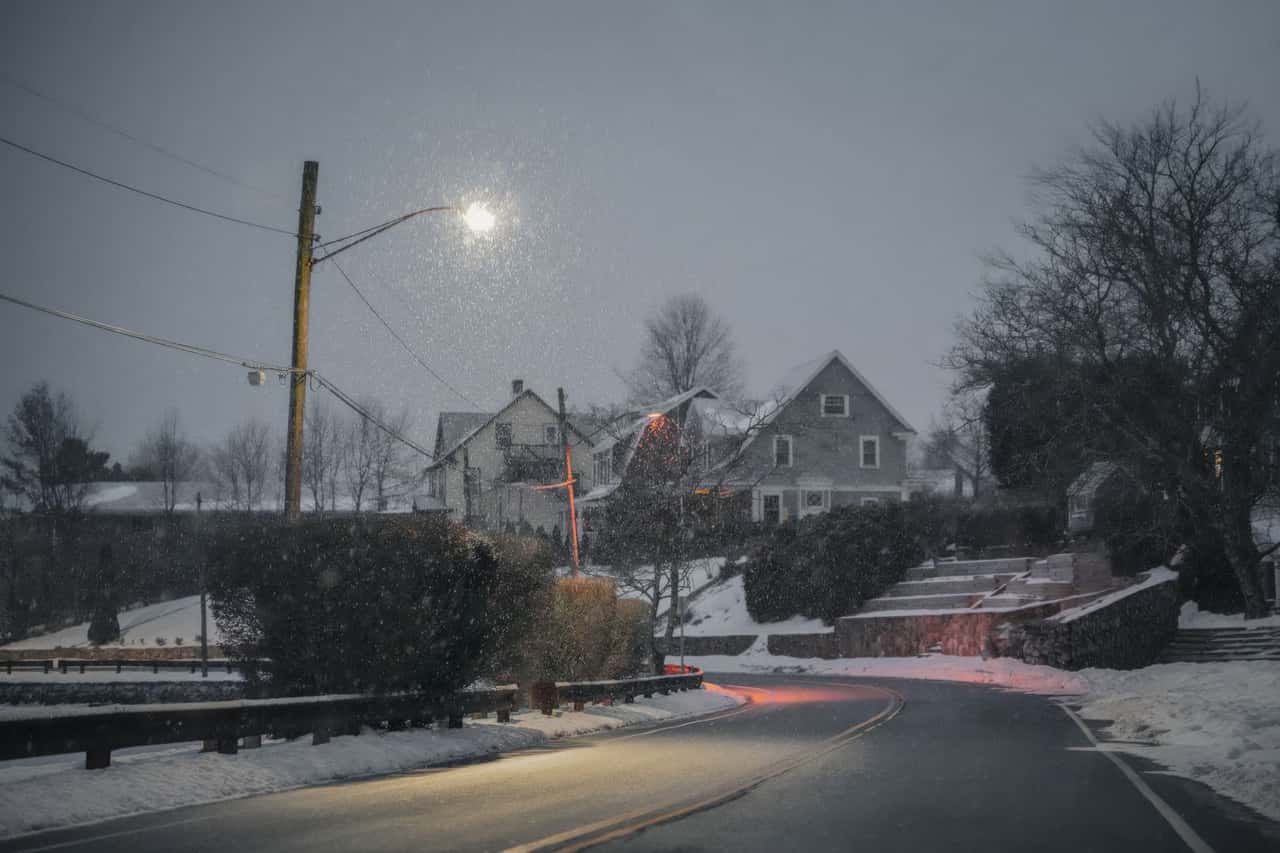
Most Denver tree emergencies happen when heavy, wet snow lands on trees still in leaf in fall or spring and limbs break onto houses, cars and Xcel Energy lines. Call Xcel and 911 for anything on a line. Anyone you pay to do tree work in Denver must hold a city tree license, even in an emergency, and right-of-way trees need a City Forester permit.
By calling, you agree that your call may be recorded and routed to an independent local tree-service provider, who may call or text you back about your request. Calling is free and does not obligate you to hire anyone. See our Privacy Policy.
When you need emergency tree removal in Denver
A tree on the house, car, driveway or a line, or one about to fall.
- A silver maple or Siberian elm limb that broke under wet October or April snow and is resting on the roof
- A cottonwood limb across the driveway or street after a spring snowstorm
- Snow-loaded limbs lying on the Xcel Energy service line to the house
- A limb that cracked under snow and is now hanging, ready to drop when the snow melts
- A tree split at the main fork with half the crown on a car or fence
- Broken limbs blocking the alley or the only way out of the garage
Often needed with: Storm Damage Tree Removal services, Tree Removal services, Large Tree Removal services, Tree Risk Assessment services.
Call and we'll connect you with a tree-service provider for emergency tree removal in Denver.
Call about a tree emergencyTree emergency in Denver? Call first
Call now if you have any of these in Denver:
- A tree on the house, garage or car
- A fallen tree blocking the driveway or road
- A tree or limb touching a power line
- A tree leaning more than it did yesterday, with soil lifting
- Large broken limbs hanging over people or the roof
- A storm-damaged tree that could still fall
Lines first: if a tree touches a power line, stay at least 35 feet away and call the electric utility or 911 before anyone works on it.
What emergency tree removal in Denver includes
- Assessment
- What the tree could hit, its condition, and access.
- Job planning
- Whether it can be felled or must come down in sections.
- Sectional removal and rigging
- Limbs and trunk lowered on ropes near buildings.
- Crane work when needed
- For big or decayed trees over structures.
- Brush and debris cleanup
- Chipping branches and raking the work area.
- Wood hauling or leaving rounds
- Agree in advance which you want.
- Stump options
- Grinding is usually a separate line item.
- Property protection
- Mats, plywood or careful drops to protect lawns and drives.
What to confirm in a emergency tree removal quote in Denver
Quotes differ mostly in what they include. Ask each provider to put these in writing so you can compare like for like:
- Getting the tree off the structure, and whether that's billed separately from full removal
- Tarping or temporary protection, or whether that's a roofer's job
- Hauling the wood and debris, or cutting it and leaving it
- After-hours or same-day rates
- Stump grinding, usually scheduled later
- Paperwork and photos for your insurance claim
Before you call about emergency tree removal in Denver
These answers let a provider in Denver tell you on the first call what the job involves and roughly how it'll be done.
- Is anyone hurt or trapped?
- If so, call 911 first
- Is a power line involved?
- Stay 35 feet away; the utility comes first
- What the tree is on
- Roof, car, garage, driveway, road
- Is it still moving?
- Shifting, creaking, soil lifting at the base
- Is access blocked?
- Driveway, doors, the only road out
- Rough size
- Whole tree or one big limb?
- Photos
- Wide shots for the crew and your insurer, from a safe spot
Safety and permission checks
- Power lines: stay at least 10 feet from overhead lines (OSHA's minimum distance for unqualified workers) and call the utility; only line-clearance-qualified tree workers cut closer.
- Underground lines: call 811 a few days before stump grinding or digging so buried utilities are marked for free.
- Permits: ask the city or county before removing or heavily pruning a large tree; protected-tree sizes and street-tree rules vary by place.
- Who is responsible: a tree on your lot is usually yours, street (right-of-way) trees are usually the city's, and trees on lines are the utility's to clear.
- Doing it yourself: picking up small fallen limbs is a homeowner job; chainsaw work off a ladder, near lines or on anything that could hit a building is not.
Have your answers ready? Call and we'll connect you with a provider serving your area.
Call for tree serviceHow getting emergency tree removal in Denver works
- 1
Tell us what's happening
Call and describe the tree, where it is and how urgent it is.
- 2
Get connected
Your call goes to an independent tree-service provider serving your area.
- 3
The tree is assessed
The provider looks at the tree, what's around it, and access for equipment.
- 4
Scope and price are discussed
You get the plan and price directly from the provider, before any work.
- 5
You decide
There's no obligation; you choose whether and when to go ahead.
TreeRemovalServices.net is a referral service and doesn't perform tree work. How it works
Local conditions
Local emergency tree removal considerations in Denver
What's specific to this work in Denver: local storms, trees, access, rules and costs.
Denver at a glance
- Main cause
- Wet snow on leafed-out trees (fall and spring)
- Lines
- Xcel Energy and 911
- Contractors
- Must hold a Denver tree license
- Common failures
- Silver maples, Siberian elms, cottonwoods
Last updated
Snow emergencies in Denver
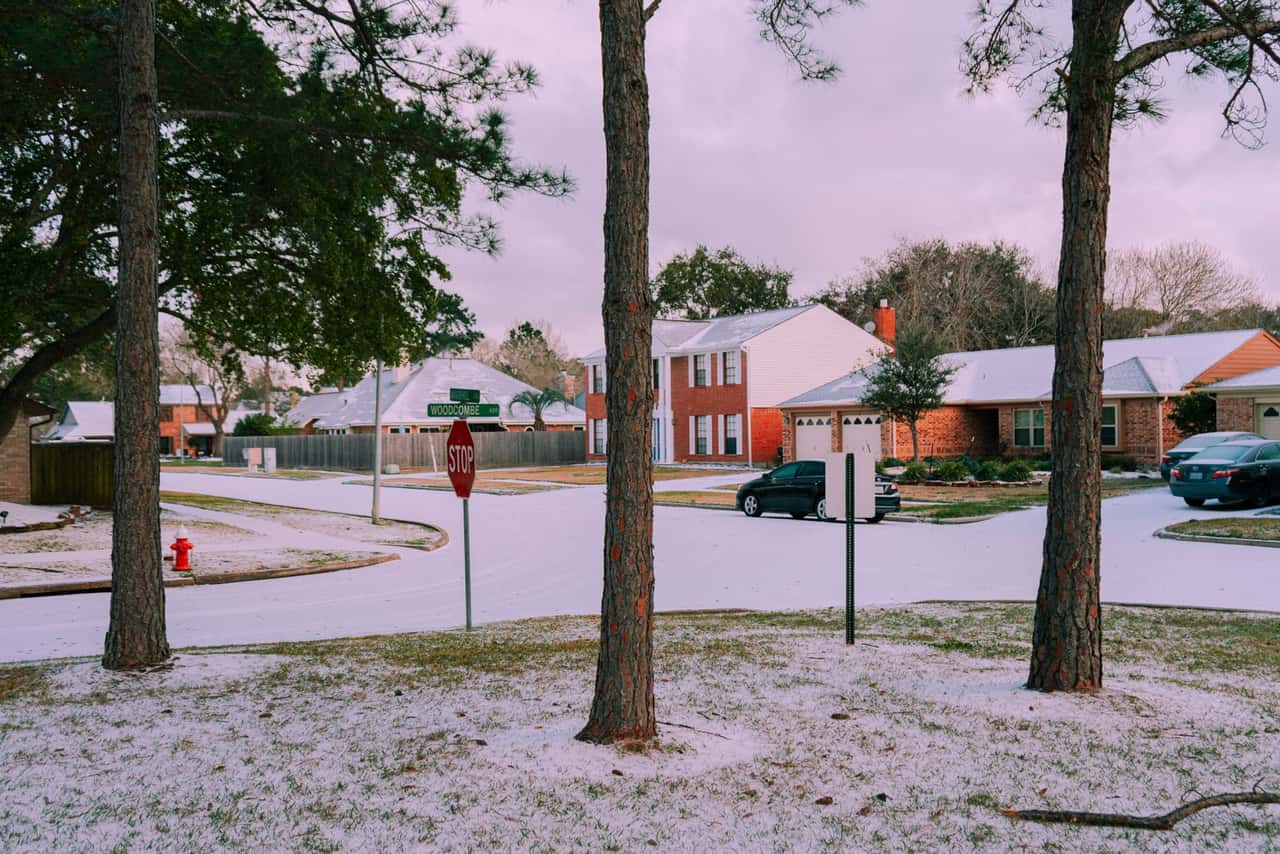
Denver's worst tree damage comes from early-fall and late-spring storms that drop heavy, wet snow while trees still have leaves. Silver maples, Siberian elms and plains cottonwoods, common in older neighborhoods, lose huge limbs. Limbs can crack under snow and fall days later, so check trees over the house and driveway after the snow melts.
Cottonwoods and Siberian elms after a storm
Plains cottonwoods grow enormous along Denver's creeks and in older yards, and they drop heavy limbs, sometimes without any storm. Siberian elms are weak-wooded and break easily under snow. After an emergency, have other cottonwoods and elms on the lot looked at; these are the trees most likely to cause the next call.
First steps in a Denver snow emergency
- 1
Stay out from under loaded trees
Limbs keep breaking while snow sits on them.
- 2
Xcel and 911
Report limbs on lines to Xcel Energy; 911 for sparks or fire.
- 3
Photograph the damage
For insurance.
- 4
Hire a licensed contractor
Denver requires a city tree license for paid tree work.
Snowstorm safety: yes and no
Do this now
- Stay out from under trees while wet snow is still on them
- Call Xcel Energy for anything on a line, and 911 for sparks or fire
- Photograph the roof, car and broken limbs before anything is moved
- Ask for the company's Denver tree license number before work starts
Never do this
- Shake or knock heavy snow off high limbs from underneath
- Cut a snow-loaded limb that's bent under tension with a chainsaw
- Hire an unlicensed crew because they showed up first after the storm
- Cut or remove a street tree in the right-of-way without the City Forester permit
Ash, emerald ash borer and the next emergency
Emerald ash borer has been spreading through Front Range communities since 2013, and Denver has many ash trees. Dead and dying ash become brittle and break under snow. If you have ash near the house, decide whether to treat it or remove it before the next storm turns it into an emergency.
Clearing snow-broken limbs
- 1
Wait for lines to be safe
Xcel Energy makes any line safe first; snow-loaded limbs on wires can shift as snow slides off.
- 2
Check the license
The crew should hold a Denver tree license; if a right-of-way tree is involved, they pull the City Forester permit.
- 3
Lift the weight off
Snow-broken limbs are cut back in pieces from the tips, lowered on ropes or lifted clear of the roof.
- 4
Look for the next break
The crew checks the rest of the crown for cracked limbs that held under the snow and may fail days later.
Licensed contractors and right-of-way trees
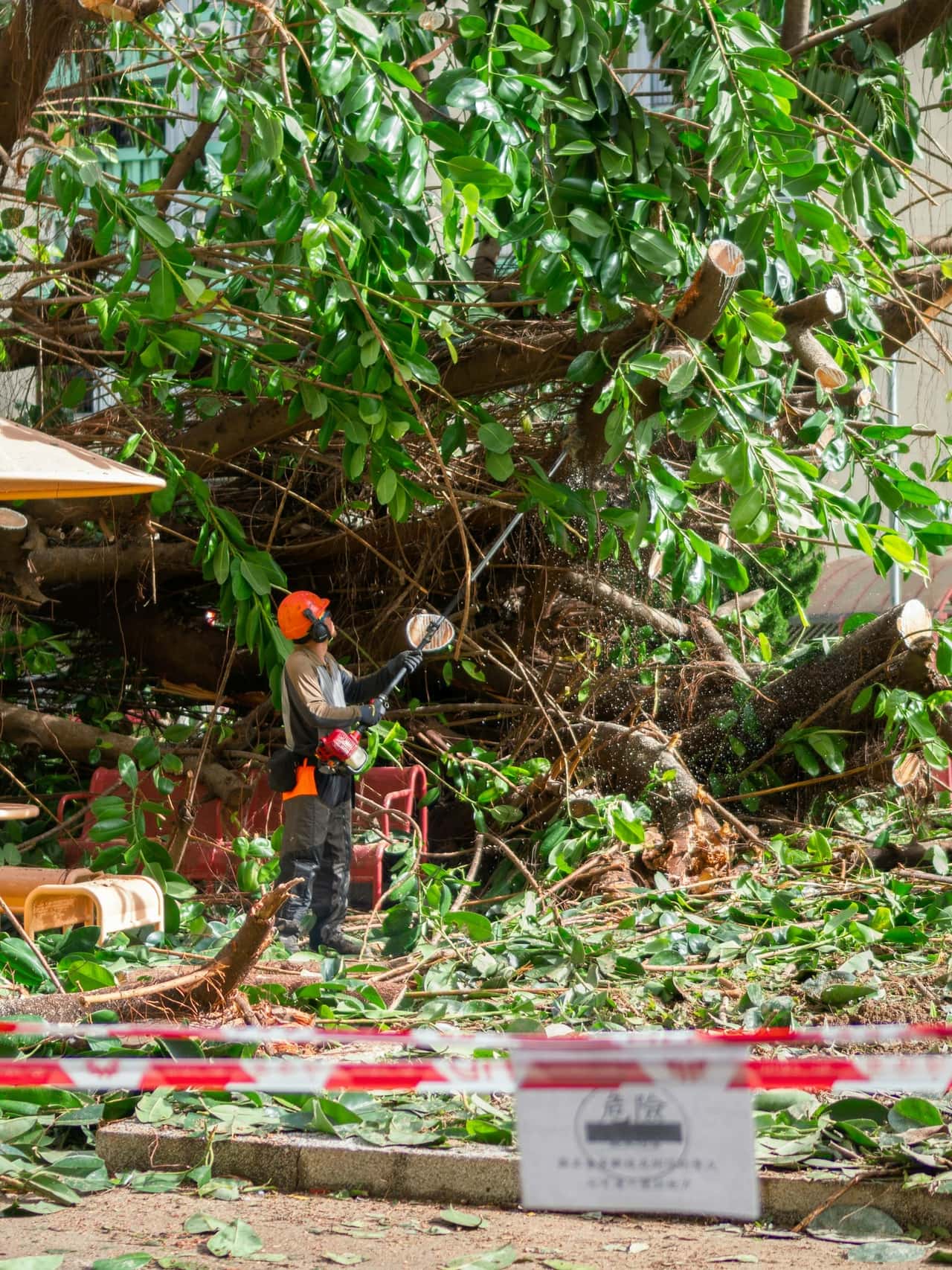
Tree work in Denver must be performed by a company licensed by the city. A permit from the Office of the City Forester is required before removing, planting or treating a tree in the public right-of-way; licensed contractors pull it. Ask for the license number when you call, even in an emergency. See tree trimming in Denver for pruning before the next storm.
After a Denver snow emergency
Reducing weak limbs before the next snow.
For the rest of the cleanup.
For cracked cottonwoods and elms.
Denver emergency tree questions
Who do I call when snow brings a tree down on lines in Denver?
Xcel Energy, and 911 for sparks or fire. Stay away from the line.
Does an emergency tree company in Denver need a license?
Yes. Anyone paid to do tree work in Denver must hold a city tree license. Ask for the number.
Why do Denver trees break in fall and spring snow?
Wet snow on trees still in leaf adds enormous weight; brittle silver maples, Siberian elms and cottonwoods break first.
Can a cracked limb fall after the snow melts?
Yes. Limbs can crack under snow and fail days later in wind. Check trees over the house after a storm.
Who handles a fallen right-of-way tree in Denver?
Right-of-way trees are the adjacent owner's to maintain under Denver code, with a City Forester permit for removal, pulled by a licensed contractor.
How long should I wait before checking trees after a Denver snowstorm?
Once the snow melts and it's safe, look for cracks at limb unions, hanging limbs and splits. Limbs can fail days after the storm.
How much does emergency tree removal cost in Denver?
It depends on size, what the tree is on and post-storm demand. See the emergency tree removal cost factors.
Can an emergency crew remove a snow-broken street tree in front of my Denver house?
Only a Denver-licensed contractor with a City Forester permit for the right-of-way tree. If it is blocking the street, report it to the city too.
More tree services in Denver
- Tree Removal servicesTaking down a tree you no longer want or can't keep, in sections near buildings.
- Storm Damage Tree Removal servicesUprooted, split or snapped trees and hanging limbs after wind, ice or hurricanes.
- Tree Trimming & Pruning in DenverPruning for clearance over roofs and drives, deadwood removal and storm preparation.
- Dead Tree Removal servicesDead or dying trees that turn brittle and get riskier to climb every season.
- Hazardous Tree Removal servicesLeaning, cracked or decayed trees that could hit something if they fail.
- Large Tree Removal servicesBig trees close to structures that need rigging or a crane.
- Stump Grinding & Removal servicesGrinding stumps below grade so you can replant, sod or build.
- Tree Risk Assessment servicesAn arborist's opinion on whether a tree can stay, before you remove it.
- Commercial Tree ServicesTree work for HOAs, property managers and commercial sites.
- Land Clearing servicesClearing brush, trees and stumps from a lot by mulching or excavation.
- Stump Removal servicesDigging out the stump and root ball where something will be built or planted.
- Tree Cutting servicesBringing a tree down safely: felled in one piece or cut down in sections.
- Palm Tree Removal servicesDead, diseased or unwanted palms, crown first, then the trunk.
- Oak Tree Removal servicesOaks with permits, oak wilt timing and heavy wood to plan around.
- Pine Tree Removal servicesTall, beetle-killed or storm-damaged pines near the house.
- Emergency Tree Trimming servicesBroken, hanging or cracked limbs over a roof, drive or path.
- Emergency Tree Cutting servicesCutting a fallen tree off a car, driveway, fence or road.
Tell us what's happening and we'll connect you with a tree-service provider serving your area.
Call about a tree emergencyTree service areas near Denver
Sources for the local facts on this page
- Denver: Forestry permits (right-of-way) (checked 2026-10-03)
- Denver: Tree service license information (checked 2026-10-03)
- Colorado State Forest Service: Snow-damaged trees (checked 2026-10-03)
Emergency tree removal in Denver
Call to speak with a local tree-service provider about removal, trimming, stumps or storm damage. Describe the tree and what it's near, and they'll explain the next step.
By calling, you agree that your call may be recorded and routed to an independent local tree-service provider, who may call or text you back about your request. Calling is free and does not obligate you to hire anyone. See our Privacy Policy.