
Denver, CO · Denver County
Tree removal in Denver
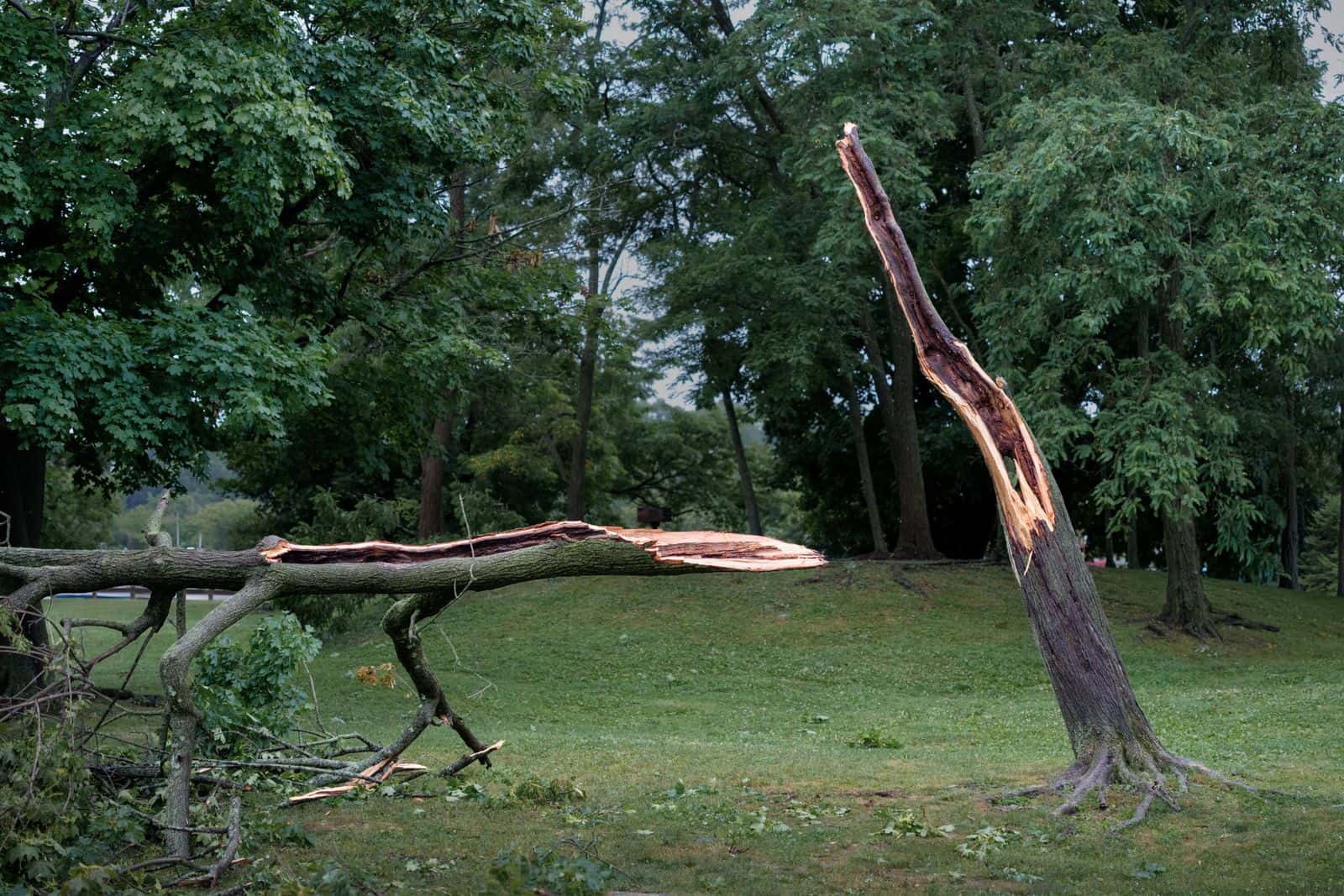
Denver's trees break most often under heavy, wet snow in fall and spring, while leaves are still on. Anyone paid to do tree work in the city needs a Denver tree license, and removing or planting a tree in the public right-of-way needs a free City Forester permit.
Denver's canopy was planted on what was short-grass prairie, so almost every tree depends on irrigation. Older neighborhoods like Park Hill, Washington Park and Congress Park have large silver maples, cottonwoods, Siberian elms and ash, many of them brittle or aging. A single October or May snowstorm can bring down limbs across the city.
Emerald ash borer was first confirmed in Boulder in 2013 and has since been found in many nearby communities, including Arvada, Broomfield, Littleton and Lakewood. With ash a large share of Denver's trees, homeowners are deciding between treatment and removal.
Reviewed and updated
Snow on leaves, ash borer and dry alkaline soil
Snow on leafed-out trees
Early-fall and late-spring storms load leaves with wet snow and snap limbs citywide.
Emerald ash borer
Spreading through Front Range communities since 2013; ash owners should plan ahead.
Drought and alkaline soils
Irrigated trees decline in dry years; iron chlorosis is common.
Wind and hail
Downslope winds and summer hail damage limbs and bark.
After an October snowstorm: the order of cleanup
- 1
Stay clear of lines
Broken limbs on wires belong to Xcel Energy. Report them and keep everyone away.
- 2
Get hanging limbs down first
Broken branches caught in the crown are the hazard that lingers for weeks after the snow melts.
- 3
Make clean cuts
Torn stubs should be cut back to a branch collar so the tree can seal the wound. Don't top the tree to even it out.
- 4
Judge the big decisions later
Split trunks and torn main forks usually mean removal; trees that lost smaller limbs often recover over a season.
Ash, silver maples, Siberian elms and cottonwoods
- Green ash
- Common; emerald ash borer risk
- Silver maple
- Brittle; snow breakage
- Siberian elm
- Weak-wooded; frequent limb failure
- Plains cottonwood
- Very large; heavy limb drop
- Honeylocust
- Common, sturdier replacement tree
Watering trees in a dry city
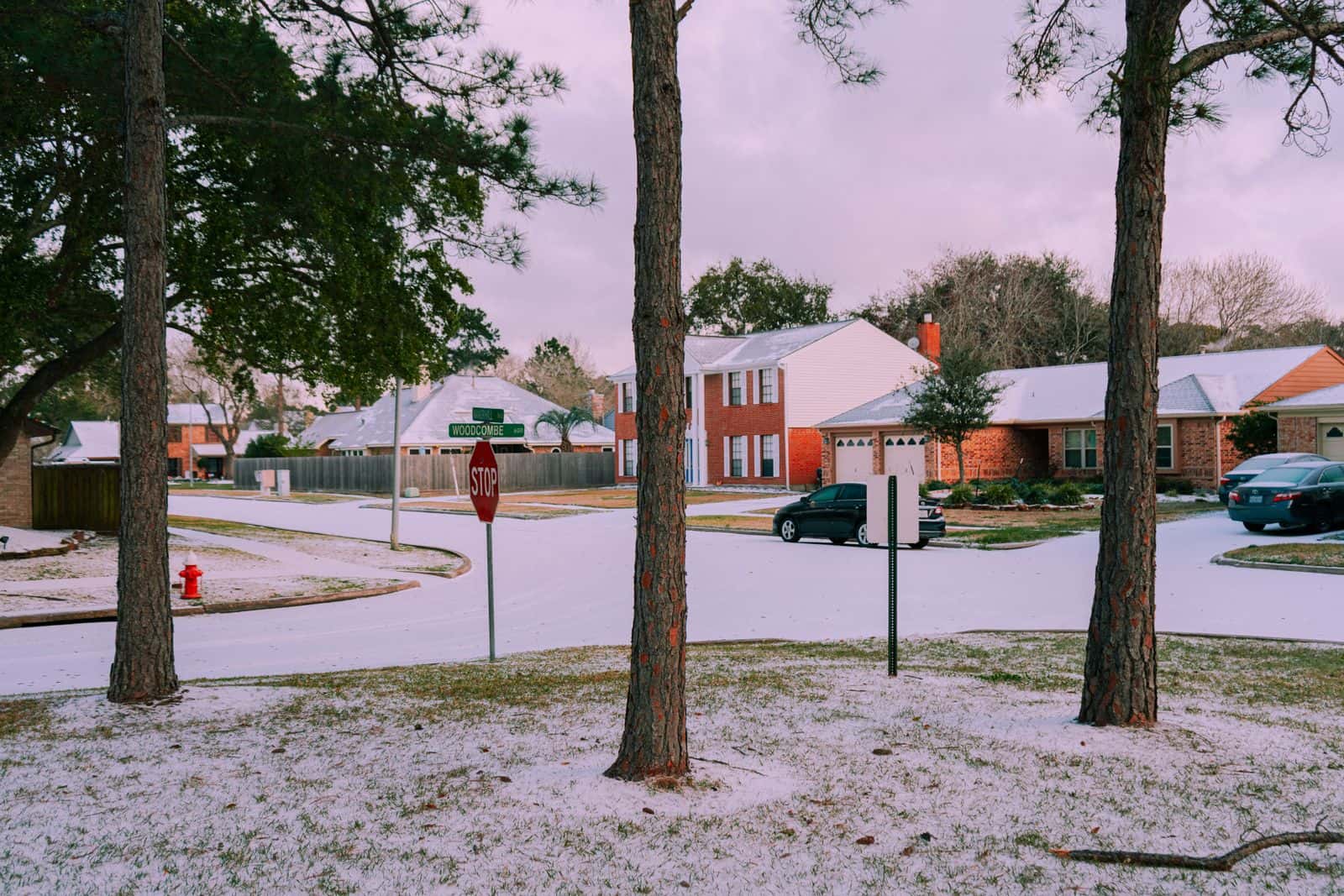
Almost every tree in Denver depends on supplemental water, and two habits hurt them. The first is going into winter dry: Colorado State University Extension recommends watering trees during long dry spells in fall and winter, on days above freezing when the ground isn't frozen.
The second is converting a lawn to dry landscaping without a plan for the trees that were living off the lawn's water. If you're removing turf, add drip or soaker lines for the trees, or expect decline over the following summers.
Grid streets, alleys and parkway trees
Grid streets with alleys give good access to backyard trees; large parkway trees between sidewalk and street are in the public right-of-way and need city permits.
Because tree work in Denver must be done by a city-licensed company, ask to see the license along with insurance. For parkway trees, the licensed company also pulls the forestry permit.
Denver services by season
Early and late snowstorms on leafed trees.
Deadwood and weight reduction on silver maples and elms before fall.
Failing Siberian elms and big cottonwoods near houses.
Ash killed by emerald ash borer as it spreads along the Front Range.
After removals; licensed companies handle parkway stumps with a permit.
Denver's permits and licensed tree companies
- A permit from Denver's Office of the City Forester is required before removing, planting, treating or attaching anything to a tree in the public right-of-way; licensed contractors pull the permit.
- Tree work in Denver must be performed by a company licensed by the city.
Sources (checked 2026-10-01)
Rules change and details depend on your exact property. Confirm with the city or county before work starts. This isn't legal advice.
Denver tree questions
Do I need a permit to remove the tree between my sidewalk and street in Denver?
Yes. That's a right-of-way tree, and removal needs a free permit from the Office of the City Forester, usually pulled by a Denver-licensed tree company.
Who restores power when snow brings trees down on lines in Denver?
Xcel Energy, Denver's electric utility, clears trees from its lines. Stay away from any downed line and report it. Cleanup of broken limbs on your own property is your responsibility, and right-of-way trees need a city permit for work.
Should I treat my ash tree in Denver?
If it's healthy and valuable, treatment before EAB arrives in your area can protect it. Declining ash or ash in poor locations are usually better replaced. Plan ahead rather than waiting for dieback.
Are plains cottonwoods safe near a Denver house?
Big ones deserve a closer look. Cottonwoods along the South Platte, Cherry Creek and older neighborhoods grow huge and weak-wooded, and they can drop large limbs on calm summer days as well as in snow. Regular deadwood pruning helps; a cottonwood with decay at the base and limbs over a roof is often a removal candidate.
Calls are routed to independent local tree-service providers. How calling works
More local guides
Need tree help in Denver?
Call to speak with a local tree-service provider about removal, trimming, stumps or storm damage. Describe the tree and what it's near, and they'll explain the next step.