
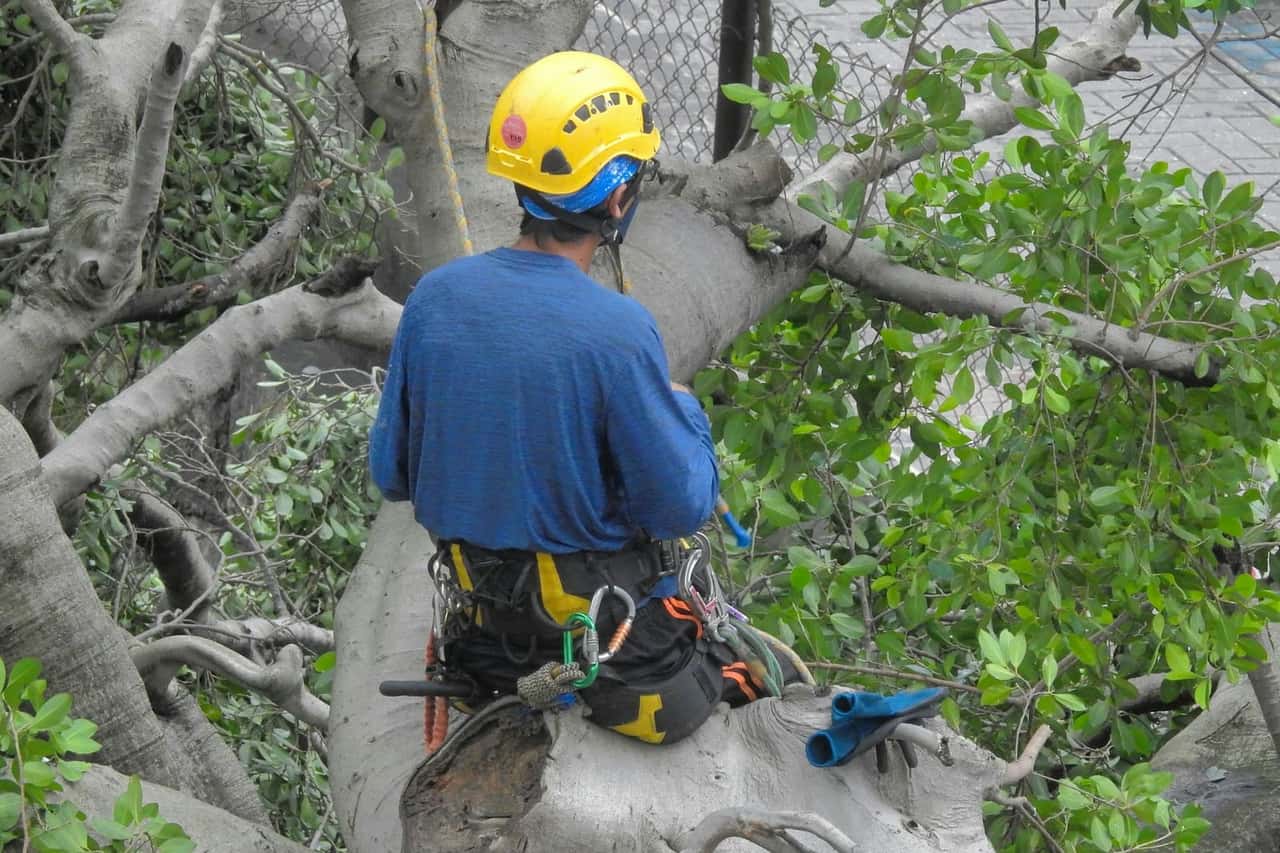
Hazardous Tree Removal · Florida
Hazardous Tree Removal in Miami-Dade County, FL
By calling, you agree that your call may be recorded and routed to an independent local tree-service provider, who may call or text you back about your request. Calling is free and does not obligate you to hire anyone. See our Privacy Policy.
- Free to call
- Independent local providers
- You decide
Tree problems in Miami-Dade County, FL that call for hazardous tree removal
- 1
County and city permits in Miami-Dade
Section 24-49 of the Miami-Dade County Code sets the county's tree protection rules, and no county or municipal official may issue a removal permit that doesn't comply with it. Many municipalities, like Doral and Miami Lakes, run their own permit programs; unincorporated areas go through the county. So the practical first step is finding out whether your address is in a city and, if so, which department issues tree permits.
- 2
The state exemption for dangerous trees
Florida Statute 163.045 overrides local permit rules for one situation: a single-family detached home where the owner has documentation, from an ISA-certified arborist or a Florida licensed landscape architect using ISA tree risk assessment procedures, that a tree poses an unacceptable risk. Then the county or city can't require a permit, fee, mitigation or replanting.
- 3
Hurricanes and limestone soil
Much of Miami-Dade sits on limestone with shallow soil, so trees root shallowly and wide. Combine that with dense crowns and hurricane winds, and uprooting is common. Thin crowns before June, keep palms cleaned of coconuts and dead fronds, and have trees with lean or decay assessed early. After a storm, see [storm damage tree removal in Florida](/services/storm-damage-tree-removal/florida/).
What hazardous tree removal covers
A hazardous tree is a living tree with a defect, such as a crack, decay, a failing root plate or a new lean, that makes it likely to fail onto something that matters: a house, a driveway, a street or a place people use.
How hazardous tree removal works, step by step · part of tree removal
Describe the tree and what it's near, and you'll reach an independent provider serving Miami-Dade County, FL.
Call for tree serviceMiami-Dade County, FL at a glance
- County rule
- Miami-Dade Code Chapter 24 (tree preservation, §24-49)
- State exemption
- Fla. Stat. 163.045 for documented high-risk trees on single-family lots
- Improper pruning
- Hatracking and topping that destroys a tree count as unpermitted removal
- Right-of-way trees
- Report to the county or your city; don't remove them yourself
- Hurricane season
- June 1 to November 30
Local sources for Miami-Dade County, FL
What affects the price of hazardous tree removal in Miami-Dade County, FL
The usual drivers are size, access, what's under the tree and cleanup; see the full list for hazardous tree removal.
Hazardous Tree Removal in Miami-Dade County, FL: common questions
County and city permits in Miami-Dade: what does it mean for hazardous tree removal in Miami-Dade County, FL?
Section 24-49 of the Miami-Dade County Code sets the county's tree protection rules, and no county or municipal official may issue a removal permit that doesn't comply with it. Many municipalities, like Doral and Miami Lakes, run their own permit programs; unincorporated areas go through the county. So the practical first step is finding out whether your address is in a city and, if so, which department issues tree permits.
The state exemption for dangerous trees: what does it mean for hazardous tree removal in Miami-Dade County, FL?
Florida Statute 163.045 overrides local permit rules for one situation: a single-family detached home where the owner has documentation, from an ISA-certified arborist or a Florida licensed landscape architect using ISA tree risk assessment procedures, that a tree poses an unacceptable risk. Then the county or city can't require a permit, fee, mitigation or replanting.
Hurricanes and limestone soil: what does it mean for hazardous tree removal in Miami-Dade County, FL?
Much of Miami-Dade sits on limestone with shallow soil, so trees root shallowly and wide. Combine that with dense crowns and hurricane winds, and uprooting is common. Thin crowns before June, keep palms cleaned of coconuts and dead fronds, and have trees with lean or decay assessed early. After a storm, see storm damage tree removal in Florida.
County rule: what it means for hazardous tree removal in Miami-Dade County, FL?
Miami-Dade Code Chapter 24 (tree preservation, §24-49)
State exemption: what it means for hazardous tree removal in Miami-Dade County, FL?
Fla. Stat. 163.045 for documented high-risk trees on single-family lots
Other tree services in Miami-Dade County, FL
- Tree Removal in Miami-Dade County, FL
- Emergency Tree Removal in Miami-Dade County, FL
- Storm Damage Tree Removal in Miami-Dade County, FL
- Tree Trimming & Pruning in Miami-Dade County, FL
- Stump Grinding & Removal in Miami-Dade County, FL
- Dead Tree Removal in Miami-Dade County, FL
- Large Tree Removal in Miami-Dade County, FL
- Tree Risk Assessment in Miami-Dade County, FL
- Commercial Tree Services in Miami-Dade County, FL
- Land Clearing in Miami-Dade County, FL
- Stump Removal in Miami-Dade County, FL
- Tree Cutting in Miami-Dade County, FL
- Palm Tree Removal in Miami-Dade County, FL
- Oak Tree Removal in Miami-Dade County, FL
- Pine Tree Removal in Miami-Dade County, FL
- Emergency Tree Trimming in Miami-Dade County, FL
- Emergency Tree Cutting in Miami-Dade County, FL
Hazardous Tree Removal nearby
More about Miami-Dade County, FL: tree removal in Miami-Dade County, FL · all locations
Need hazardous tree removal in Miami-Dade County, FL?
Call to reach an independent tree-service provider that serves Miami-Dade County, FL. Calling is free and you decide whether to hire anyone.
By calling, you agree that your call may be recorded and routed to an independent local tree-service provider, who may call or text you back about your request. Calling is free and does not obligate you to hire anyone. See our Privacy Policy.