
Tree Risk Assessment · Illinois
Tree Risk Assessment in Chicago, IL
By calling, you agree that your call may be recorded and routed to an independent local tree-service provider, who may call or text you back about your request. Calling is free and does not obligate you to hire anyone. See our Privacy Policy.
- Free to call
- Independent local providers
- You decide
Tree problems in Chicago, IL that call for arborist risk assessment
- 1
City-owned parkway trees
Parkway trees are maintained by the Bureau of Forestry. Routine removals are scheduled in the November–March season, with dead, damaged and emergency trees prioritized.
- 2
Emerald ash borer
Untreated ash in yards and alleys are often dead or declining, and dead ash break unpredictably.
- 3
Summer windstorms
Derechos and downbursts like August 2020 snap trunks and uproot trees on saturated ground.
What tree risk assessment covers
A tree risk assessment is an arborist's evaluation of how likely a tree (or part of it) is to fail, what it would hit, and how bad the consequences would be.
How tree risk assessment works, step by step
Describe the tree and what it's near, and you'll reach an independent provider serving Chicago, IL.
Call for tree serviceTrees in Chicago, IL that most often need arborist risk assessment
- Honeylocust
- The most common replacement parkway tree; generally sturdy
- Green ash
- Mostly treated or removed; untreated ash are emerald ash borer casualties
- Silver maple
- Large, brittle backyard trees; frequent storm breakage
Tree rules and permits in Chicago, IL
- Parkway trees are city property. Request inspection, trimming or removal through 311; a Bureau of Forestry arborist inspects and decides whether the tree comes down.
- Routine parkway removals happen in the winter season (November–March); dead, damaged and emergency trees are handled sooner.
- There's generally no city permit to remove a tree on your own private lot.
Sources (checked 2026-10-01)
Rules change and details depend on your exact property. Confirm with the city or county before work starts. This isn't legal advice.
What affects the price of arborist risk assessment in Chicago, IL
The usual drivers are size, access, what's under the tree and cleanup; see the full list for arborist risk assessment.
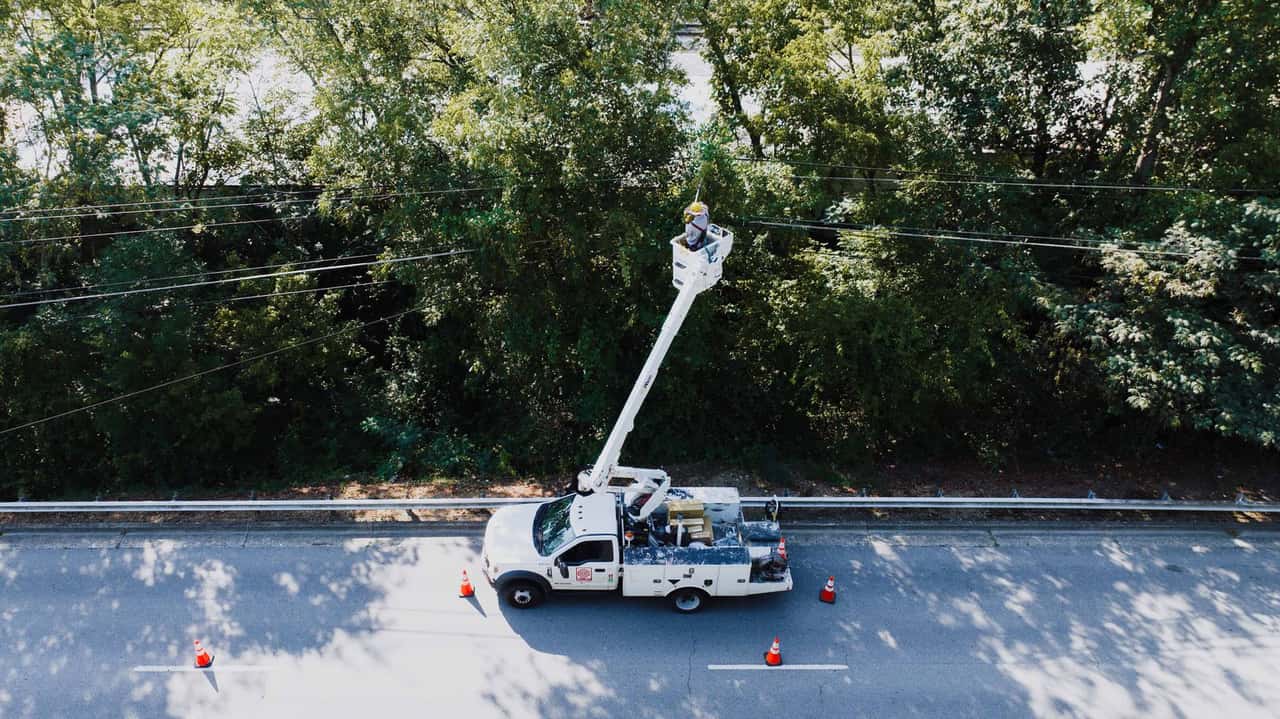
In Chicago, IL: Bungalow and two-flat lots are long and narrow, with detached garages on the alley and overhead lines along it. Bucket trucks usually work from the alley, and wood often has to come out through a gangway or over the garage.
Tree Risk Assessment in Chicago, IL: common questions
Do I need a permit for tree Risk Assessment in Chicago, IL?
Parkway trees are city property. Request inspection, trimming or removal through 311; a Bureau of Forestry arborist inspects and decides whether the tree comes down. Routine parkway removals happen in the winter season (November–March); dead, damaged and emergency trees are handled sooner.
Which trees in Chicago, IL most often need arborist risk assessment?
Honeylocust: the most common replacement parkway tree; generally sturdy Green ash: mostly treated or removed; untreated ash are emerald ash borer casualties Silver maple: large, brittle backyard trees; frequent storm breakage
City-owned parkway trees: what does it mean for arborist risk assessment in Chicago, IL?
Parkway trees are maintained by the Bureau of Forestry. Routine removals are scheduled in the November–March season, with dead, damaged and emergency trees prioritized.
Emerald ash borer: what does it mean for arborist risk assessment in Chicago, IL?
Untreated ash in yards and alleys are often dead or declining, and dead ash break unpredictably.
Summer windstorms: what does it mean for arborist risk assessment in Chicago, IL?
Derechos and downbursts like August 2020 snap trunks and uproot trees on saturated ground.
How do access and lot layout in Chicago, IL affect arborist risk assessment?
Bungalow and two-flat lots are long and narrow, with detached garages on the alley and overhead lines along it. Bucket trucks usually work from the alley, and wood often has to come out through a gangway or over the garage.
Other tree services in Chicago, IL
- Tree Removal in Chicago, IL
- Emergency Tree Removal in Chicago, IL
- Storm Damage Tree Removal in Chicago, IL
- Tree Trimming & Pruning in Chicago, IL
- Stump Grinding & Removal in Chicago, IL
- Dead Tree Removal in Chicago, IL
- Hazardous Tree Removal in Chicago, IL
- Large Tree Removal in Chicago, IL
- Commercial Tree Services in Chicago, IL
- Land Clearing in Chicago, IL
- Stump Removal in Chicago, IL
- Tree Cutting in Chicago, IL
- Palm Tree Removal in Chicago, IL
- Oak Tree Removal in Chicago, IL
- Pine Tree Removal in Chicago, IL
- Emergency Tree Trimming in Chicago, IL
- Emergency Tree Cutting in Chicago, IL
Tree Risk Assessment nearby
More about Chicago, IL: tree removal in Chicago, IL · all locations
Need arborist risk assessment in Chicago, IL?
Call to reach an independent tree-service provider that serves Chicago, IL. Calling is free and you decide whether to hire anyone.
By calling, you agree that your call may be recorded and routed to an independent local tree-service provider, who may call or text you back about your request. Calling is free and does not obligate you to hire anyone. See our Privacy Policy.