Seattle, WA · King County
Tree removal in Seattle
Since July 30, 2023, Seattle has regulated most trees 6 inches in diameter and larger on private property, and removing one generally requires a permit from the Seattle Department of Construction and Inspections, with stricter limits on larger trees. Physically, the risk is tall conifers in saturated winter soil during Pacific windstorms, often with hidden root rot.
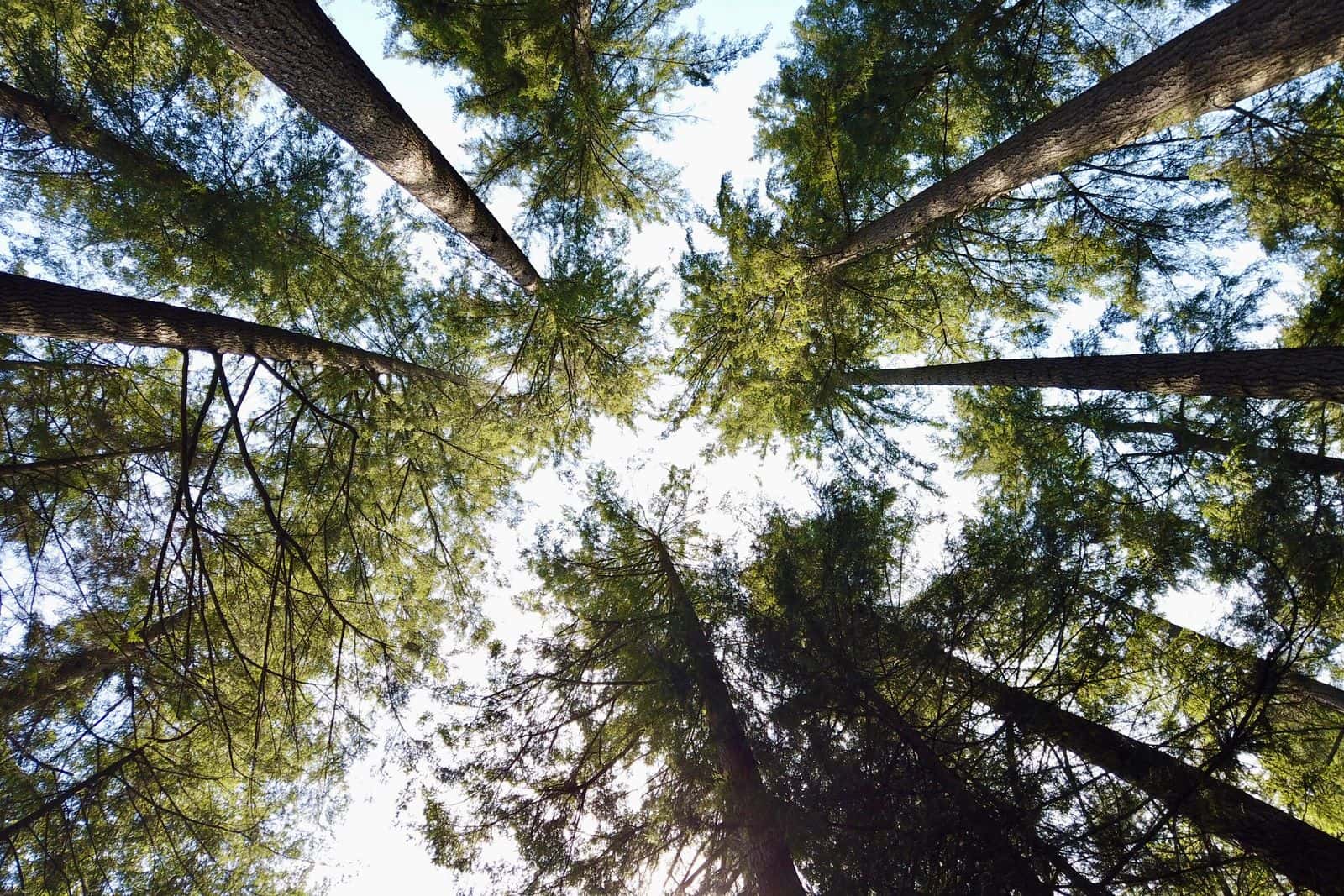
Seattle backyards routinely hold Douglas firs and western red cedars over 100 feet tall, sometimes within a trunk's length of several houses. The November 2024 bomb cyclone was a reminder of what happens when strong winds arrive after weeks of rain: uprooted conifers across the region and hundreds of thousands without power.
Steep slopes add another layer. On landslide-prone hillsides, tree roots help hold soil, and removing trees can have consequences beyond the tree itself. Seattle's environmentally critical area rules can apply to steep slopes and other sensitive sites.
Reviewed and updated
Windstorms, root disease and steep slopes
Windstorms on saturated soil
October–March Pacific storms uproot tall conifers, especially after heavy rain.
Root disease
Laminated root rot and other root diseases weaken anchorage with little outward sign.
Drought dieback
Western red cedar tops and bigleaf maples show stress after hot summers like the 2021 heat dome.
Steep slopes
Hillside lots may fall under environmentally critical area rules; tree removal can affect slope stability.
Seattle's tree protection ordinance
- Seattle's tree protection ordinance (SMC 25.11), effective July 30, 2023, regulates most trees 6 inches DBH and larger on private property; removal generally requires a permit from SDCI, with replacement requirements and stricter limits on larger trees.
- Hazardous trees can be removed through a documented process; steep slopes and other environmentally critical areas carry additional rules.
Sources (checked 2026-10-01)
Rules change and details depend on your exact property. Confirm with the city or county before work starts. This isn't legal advice.
Assessing a 100-foot Douglas fir near the house
Big conifers are part of what makes Seattle neighborhoods what they are, and most of them are stable. Height alone isn't a defect. What an arborist looks at:
- Root disease, such as laminated root rot, which weakens roots long before the crown shows it; look for clusters of declining firs.
- Exposure: a tree that suddenly stands alone because neighbors were cut, or a new clearing upwind.
- Lean, and whether it's old and stable or recent with lifting soil.
- Past topping, which leaves weak, multi-stemmed tops prone to breaking.
Douglas firs, cedars, bigleaf maples and madrones
- Douglas fir
- Very tall; windthrow and root rot
- Western red cedar
- Drought-related dieback
- Bigleaf maple
- Heavy limbs; decay at old wounds
- Red alder
- Short-lived; fails as it ages
- Pacific madrone
- Sensitive native; valued and often protected
Windstorm season, November through February
Seattle's damaging winds come with Pacific storms in late fall and winter, when soils are saturated. The December 2006 Hanukkah Eve storm remains a reference point: big conifers and limbs came down across the region and power was out for days.
Before the season, deal with dead limbs, broken tops and trees with known root problems. During a windstorm, stay out of rooms under the largest trees if you can. Afterward, check for hangers and for soil heaving at the base of conifers, which can mean a tree has started to tip.
Narrow, sloped lots
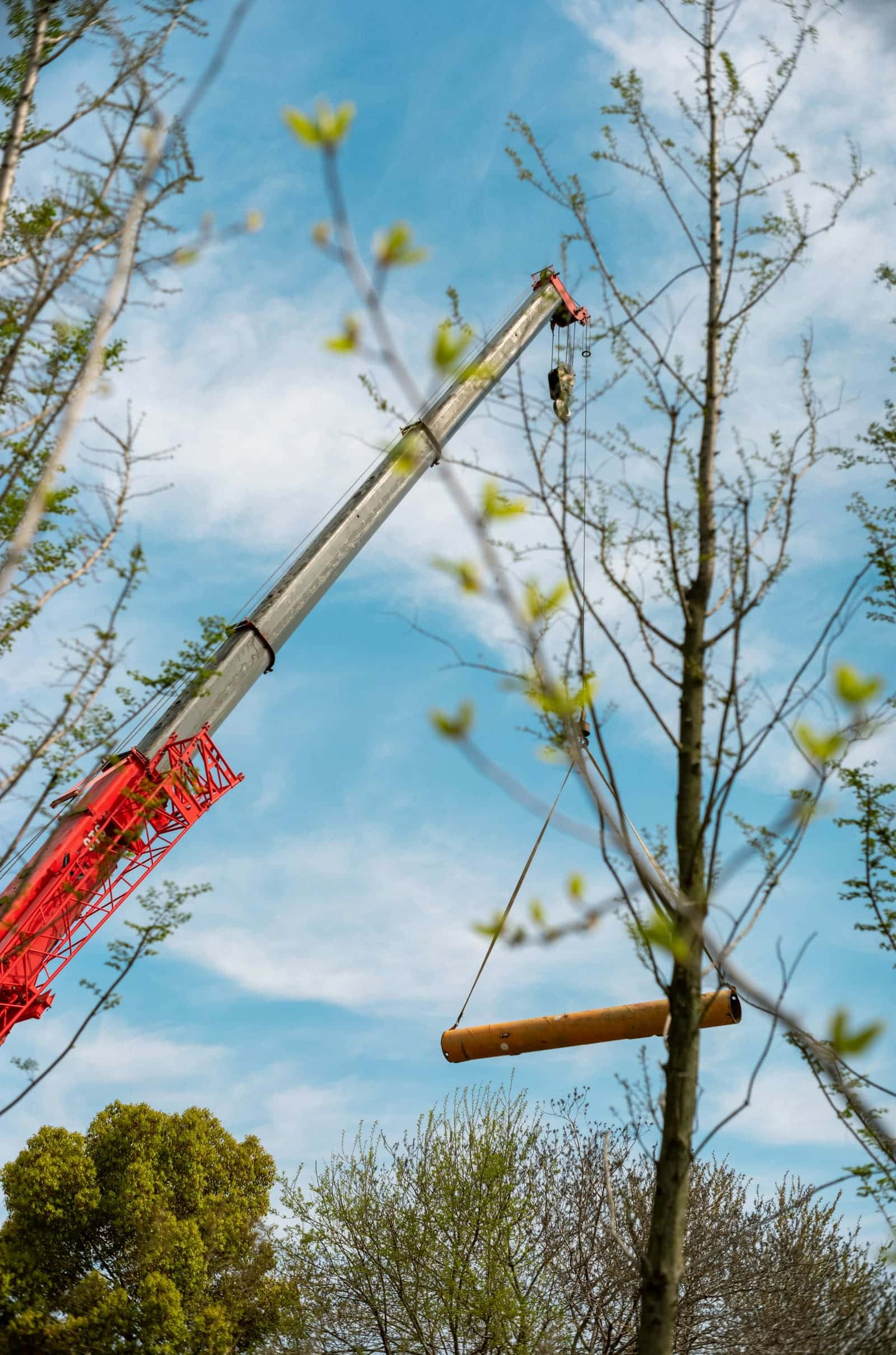
Many lots are narrow and sloped with houses close together, so tall conifers are usually removed in rigged sections or with a crane from the street.
Crane removals in Seattle often need a street-use permit and traffic control, and they're scheduled around steep, narrow streets. On landslide-prone slopes, stumps and roots are frequently left in place, and the city's steep-slope rules may limit what can be removed.
Seattle services for tall conifers
Often needed to document a hazardous tree under Seattle's rules.
Crane removals of tall firs and cedars on tight lots.
Removals that meet the ordinance's thresholds and process.
Windstorm cleanup on saturated ground.
Deadwood and broken tops on conifers; never topping.
Seattle questions: backyard trees, neighbors' firs and windstorms
Can I cut down a tree in my Seattle backyard?
For most trees 6 inches in diameter or larger, you'll need a permit from SDCI under the 2023 rules. Hazardous trees have a documented process, typically involving an arborist's assessment.
My neighbor's tall fir leans toward my house in Seattle. What can I do?
Talk to your neighbor first, and put concerns in writing. An arborist's risk assessment gives both of you something concrete to act on. If the tree is hazardous, Seattle's rules include a process for removing hazardous trees, but the tree's owner has to pursue it.
Is my Douglas fir going to fall in the next windstorm?
Height alone doesn't predict failure. Warning signs include a new lean, soil heaving, root damage, mushrooms at the base, and thinning crowns. Root rot is often invisible, so large trees near homes are worth an assessment.
Calls are routed to independent local tree-service providers. How calling works
More local guides
Need tree help in Seattle?
Call to speak with a local tree-service provider about removal, trimming, stumps or storm damage. Describe the tree and what it's near, and they'll explain the next step.