Cleveland, OH · Cuyahoga County
Tree removal in Cleveland
Cleveland's trees take a beating from lake-effect snow and Lake Erie wind. Tree-lawn trees between the sidewalk and street are city-managed, and any pruning, removal, root pruning or stump grinding on them needs an Urban Forestry permit. Private-yard removals need no city permit.
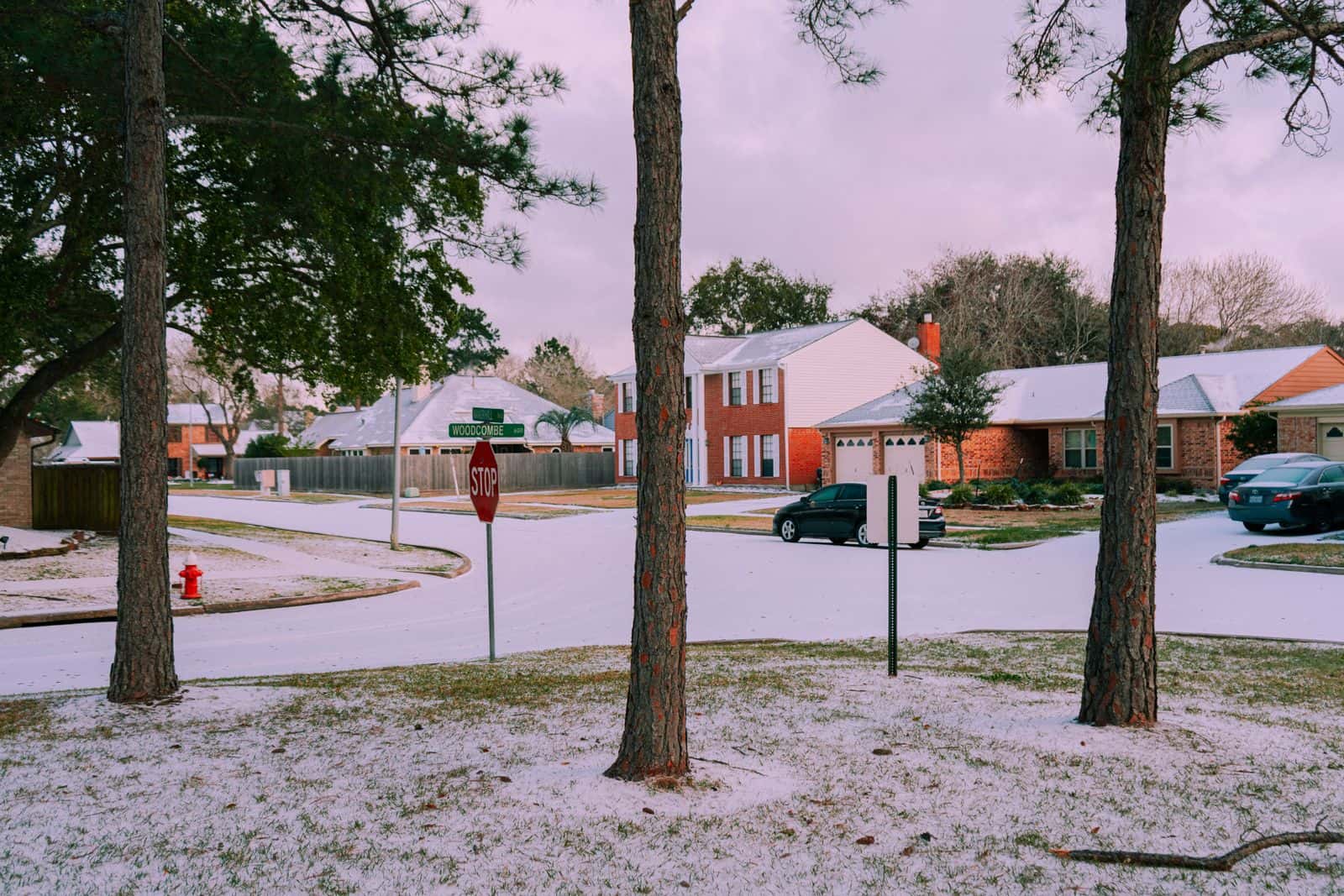
The snowbelt starts just east of the city and runs through the eastern suburbs, where repeated heavy lake-effect snow loads limbs for weeks at a time. Early-season storms in October or November, before leaves drop, are especially damaging, and they bring limbs down on wires across the east side.
Much of Cleveland's housing dates from the early 1900s: wood-frame doubles and single-family homes on narrow lots with big trees planted close to the house. Many of those trees are now near the end of their lives, and the city has lost much of its canopy over recent decades.
Reviewed and updated
Snowbelt storms and lakefront wind
Lake-effect snow
Heavy snow, especially east of downtown, bends and breaks limbs; early storms on leafed trees do the most damage.
City-managed tree lawns
Tree-lawn trees are usually city-managed; Urban Forestry handles pruning, risk removals and planting.
Lakefront wind
Strong winds off Lake Erie hit lakeshore neighborhoods hardest.
Aging canopy on narrow lots
Large old maples and oaks planted close to houses need careful sectional removal.
Maples, ash, planetrees and pears
- Norway and silver maple
- Dominant older street and yard trees; surface roots and breakage
- Ash
- Emerald ash borer losses; dead ash still common
- London planetree
- Large, tough street tree
- Callery pear
- Splits under snow and ice
- Tree-of-heaven
- Invasive volunteer on vacant lots
Norway maples: Cleveland's most common problem tree
Norway maples were planted along Cleveland streets and in yards for decades because they tolerate city conditions. They also cause some of the most frequent problems: dense shade that kills grass, shallow roots that lift walks, and girdling roots that wrap around the base of the trunk and slowly strangle the tree.
A Norway maple with a flat side at the base, where the trunk goes straight into the ground without flaring, often has a girdling root below the soil. Those trees tend to decline from the top and can fail at the base in storms. Have a large one near the house checked, especially if the crown is thinning.
Cleveland's tree lawn rules
- Urban Forestry permits are required for pruning, removal, planting, root pruning and stump grinding of trees on city-managed land, which includes most tree-lawn trees. Excavation near a city tree's trunk may also need a permit.
- Residents may not plant on the tree lawn themselves; a contractor plants with the City Forester's approval.
- The relevant ordinances are Chapter 509 (Trees) and Chapter 163 (Urban Forestry Commission).
Sources (checked 2026-10-01)
Rules change and details depend on your exact property. Confirm with the city or county before work starts. This isn't legal advice.
Two electric utilities and a lot of overhead wire
Cleveland homes may be served by either Cleveland Public Power or FirstEnergy's Illuminating Company, and both run lines through backyards as well as along streets. Find out which one serves your house before storm season, because that's who clears trees from the lines feeding it.
Tree crews can't work within reach of energized lines without line-clearance qualifications, so jobs near wires are often scheduled around the utility, which adds time.
Narrow lots and single driveways
Narrow lots with driveways down one side give limited access; wood often comes out by hand to the street. Overhead lines run along streets and backyards, so many removals need line clearance coordination.
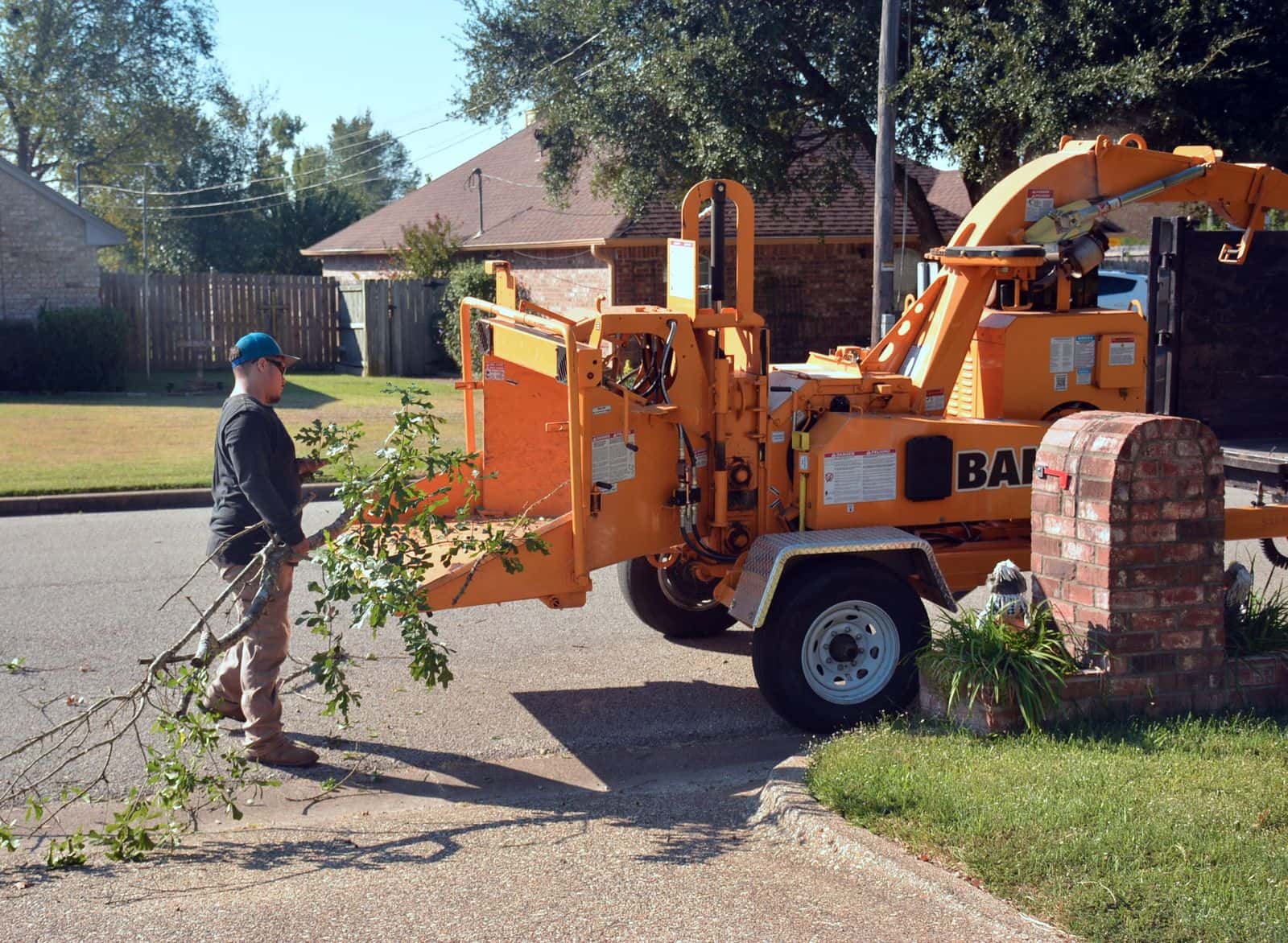
On many East and West Side streets, the driveway is the only way into the backyard, and it runs right beside the neighbor's house. Crews protect siding and windows on both sides and usually hand-carry brush to a chipper parked on the street.
Cleveland services and when they're needed
Early lake-effect snow on leafed trees.
Declining Norway maples and failing pears.
Deadwood out before winter; tree lawn trees need a city permit.
Dead ash in yards.
After removals; check line and pipe locations.
Cleveland questions: snow, tree lawns and access
Should I knock snow off my trees in Cleveland?
Only light snow you can reach from the ground, brushing upward gently with a broom. Don't shake loaded limbs or try to remove ice, and stay away from anything near wires. Early-season heavy snow is when to watch for cracked limbs afterward.
The tree lawn tree in front of my house is dying. What do I do?
It's most likely city-managed. Contact Cleveland's Urban Forestry. Hiring a private company to prune or remove it requires an Urban Forestry permit first.
Why do Cleveland trees fail in October storms?
Early lake-effect snow often arrives while maples and pears still hold their leaves. Leaves catch far more snow than bare twigs, so a few inches of wet snow can carry several times the normal load. Limbs with existing cracks or narrow forks go first, which is why fall inspections pay off on the east side.
Can a tree company work from my driveway on a narrow Cleveland lot?
Often only partly. Many lots have a single narrow drive shared with a side door and close to the neighbor's house, so crews rig wood down and carry it to a chipper on the street. Ask whether the job needs a lift, and where it will be set up.
Calls are routed to independent local tree-service providers. How calling works
More local guides
Need tree help in Cleveland?
Call to speak with a local tree-service provider about removal, trimming, stumps or storm damage. Describe the tree and what it's near, and they'll explain the next step.