
Minneapolis, MN
Emergency tree removal in Minneapolis
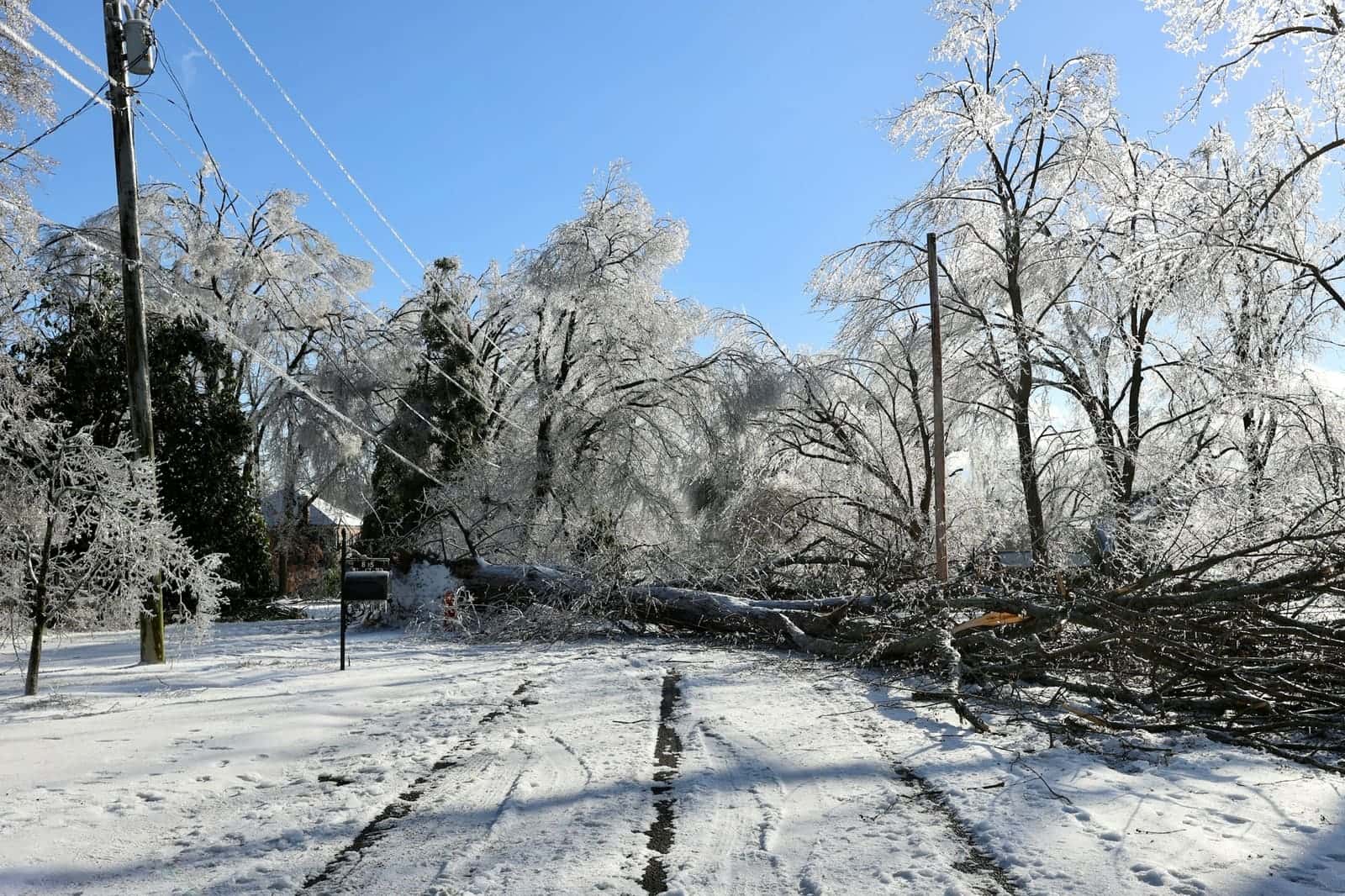
Most Minneapolis tree emergencies come from summer straight-line winds and from wet snow or ice in fall, winter and spring. If a tree touches a wire, call Xcel Energy or 911 and stay back. Fallen boulevard trees are the Park Board's; report them to 311.
Reviewed and updated
A tree just came down in Minneapolis: the first hour
- 1
Look up before you go outside
Wet snow and ice hold broken limbs in the crown long after the tree drops. Check for hangers over the door, the alley and the path to your car before stepping out.
- 2
Treat every wire in the branches as live
Service drops to Minneapolis houses usually run from the alley. If a limb is on that line or the pole, stay at least 30 feet back (Xcel Energy's guidance) and report it to Xcel at 800-895-1999; if anyone is hurt or there's fire, call 911.
- 3
Keep heat and gas safe
In winter, a tree on the roof can crush a furnace vent or gas meter. If you smell gas, leave and call from outside. If a vent is blocked, don't run the furnace until it's cleared.
- 4
Sort public from private
A boulevard tree is the Park Board's to remove, even when it lands on your property. A tree from your own yard is yours to have taken down.
- 5
Record it, then stop the damage
Photograph the tree, roof and vehicles from a safe spot. Tarping and covering a broken window are usually reimbursable; keep the receipts for your insurer.
Boulevard, private or on the line? Who you call
Touching or near a power line, any location
- Who handles it
- Xcel Energy
- What you do
- Stay well back, keep others away and report it to Xcel or 911
Boulevard tree (between curb and sidewalk) down or split
- Who handles it
- Minneapolis Park and Recreation Board
- What you do
- Report it to 311 or MPRB Forestry (612-313-7710); the Park Board removes it even if it landed on your house
Tree from a city park or street blocking the road
- Who handles it
- City and Park Board crews
- What you do
- Report it through 311
Your own tree on your house, garage, car or fence
- Who handles it
- You, through a private tree company
- What you do
- Photograph it, call your insurer, then book an emergency removal
Neighbor's tree that fell onto your property
- Who handles it
- Usually your own insurer for your damage
- What you do
- Your homeowner's policy; the neighbor's only matters if their tree was visibly dead or dangerous
Wet snow, ice and the limbs that fail under them
The most damaging snow in Minneapolis isn't January powder. It's the heavy, wet snow of October, November, March and April, when some trees still carry leaves or are just leafing out. A leafed-out silver maple or green ash catches far more snow than a bare one, and long horizontal limbs break where they join the trunk. Freezing rain adds a glaze that multiplies limb weight, and broken pieces often stay hung in the crown until the ice melts.
Snow-loaded limbs over a garage roof, a service drop or the alley are the common emergency calls. A bent limb that is still attached can spring back or tear out when the load shifts, so don't knock snow off a high limb from underneath.
Straight-line wind blowdowns
Summer thunderstorms across the Twin Cities regularly produce straight-line winds strong enough to uproot mature trees on whole blocks at once. Big silver maples, declining ash and elms, and trees with root damage from sidewalk or alley work tend to go first. After a widespread event, tree companies, the Park Board and Xcel crews are all working through long queues, so triage matters: anything on a house, blocking the only exit, or resting on a line comes first.
What can wait for frozen ground, and what can't
- Can't wait: a tree or large limb on the house or garage roof, anything resting on a line, a tree blocking the only way in or out, and limbs hung over the alley, sidewalk or a doorway.
- Can't wait long: a tree that has started leaning after a storm with cracked or heaved soil on one side. Freeze-thaw cycles and the next wind can finish what the storm started.
- Can usually wait: limbs already on the ground in an open yard, a split ornamental away from structures, or a dead ash that isn't over anything. Those can go on the list for a planned dead tree removal when crews are less stretched.
Working in cold weather and on frozen ground
Frozen ground is usually an advantage. It lets lifts and loaders cross lawns and reach backyard trees from the alley without sinking, which is why many non-urgent removals are booked in winter. Extreme cold cuts the other way: frozen wood can behave more brittlely, ropes and gear stiffen, and ice on limbs and roofs makes footing dangerous. A crew may stabilize a tree on a house during a deep cold snap and finish the full removal once conditions are safer.
How a crew clears a tree off a Minneapolis garage or house
- 1
Access from the alley
Most backyard trees are reached from the alley. The crew checks the alley for snowbanks, ice and overhead service drops before bringing in a lift or loader.
- 2
Secure the tree before cutting
A tree resting on a roof is under tension. Rigging lines or a crane hold the weight so the structure doesn't take more load as pieces come off.
- 3
Remove it in sections, top down
Limbs over the roof come off first and are lowered on ropes, then the trunk in sections. Pieces aren't dropped onto frozen, icy roofs.
- 4
Make the building safe
Once the weight is off, the opening is tarped. Roof framing is a contractor's job; the tree company should not cut rafters.
- 5
Decide on the stump later
Grinding can wait for the spring thaw, when the ground is soft and buried lines are easier to locate.
Minneapolis emergency tree questions
Who removes a fallen boulevard tree in Minneapolis?
The Minneapolis Park and Recreation Board owns boulevard trees. Report it to 311 or MPRB Forestry (612-313-7710). The Park Board removes a fallen boulevard tree even when it lands on private property, so don't pay a private company to cut it up. If it's on a power line, call Xcel Energy or 911 first.
Can I knock heavy snow off my trees?
Gently brushing snow off low branches you can reach from the ground, sweeping upward, is fine. Don't shake trees or hit high limbs, and don't try to remove ice; frozen branches snap easily and can fall on you.
Should I wait until spring to remove a tree that cracked in a snowstorm?
Not if it can reach the house, garage, alley or a line. A cracked limb or split trunk can fail with the next load of snow or the spring thaw. Non-hazardous storm cleanup can usually wait for a frozen-ground removal.
Sources for the local facts on this page
- MPRB: Storm response (checked 2026-10-01)
- Xcel Energy: Electric safety (checked 2026-10-01)
Emergency tree removal in Minneapolis
Call to speak with a local tree-service provider about removal, trimming, stumps or storm damage. Describe the tree and what it's near, and they'll explain the next step.