
New Orleans, LA · Orleans Parish County
Tree removal in New Orleans
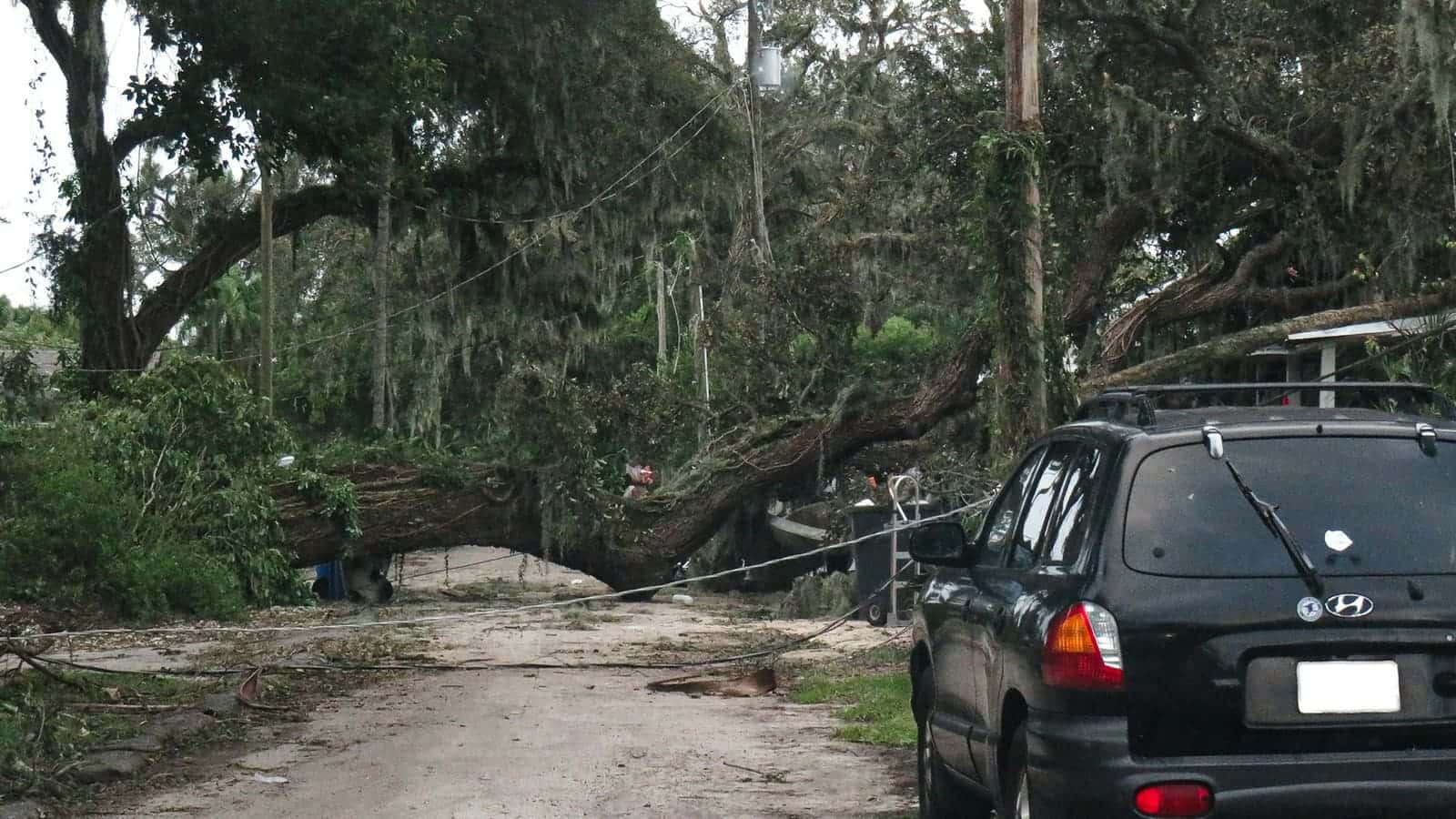
New Orleans tree emergencies follow hurricanes. Hurricane Ida in 2021 brought down trees and limbs across the city. Saturated, low-lying ground keeps roots shallow, and Formosan subterranean termites hollow out living trees from the inside. Trees on neutral grounds, sidewalks and other public property can't be cut or removed without written approval from the Department of Parks and Parkways; trees in your own yard are your responsibility.
Much of the city sits at or below sea level on soft, wet soil. Even the famous live oaks root relatively shallowly, and water oaks and laurel oaks, common in older yards, develop decay that shows up only when they fail in a storm.
Formosan termites, an invasive species established in the city for decades, nest inside living trees, eating out their centers. LSU AgCenter research found much larger hollows in New Orleans trees where the termite is established. An infested tree can look healthy and still be hollow.
Reviewed and updated
Hurricanes, termites and soft ground
Hurricanes and tropical storms
Ida (2021) and earlier storms show how sustained wind on wet ground brings down trees citywide.
Formosan subterranean termites
Hollow out living trees, including live oaks, leaving them prone to breaking.
Subsiding, poorly drained ground
Much of the city sits below sea level on soft, settling soil that pumps keep drained; after hours of rain, root plates sit in standing water just as the wind peaks.
Protected public trees
Neutral-ground and right-of-way trees belong to the city and need Parks and Parkways' written approval for any work.
Reading a tree after a hurricane in New Orleans
- Freshly broken limbs that expose hollow centers often mean Formosan termites; the rest of the tree may be hollow too.
- Standing water around the trunk for days can loosen a root plate that held during the storm.
- A live oak that lost a big limb usually survives; have the wound cleaned up rather than the tree removed.
- Water oaks and laurel oaks with broken tops are frequently past saving.
- Neutral-ground and sidewalk trees belong to the city; report them rather than cutting.
Live oak care in a city that protects them
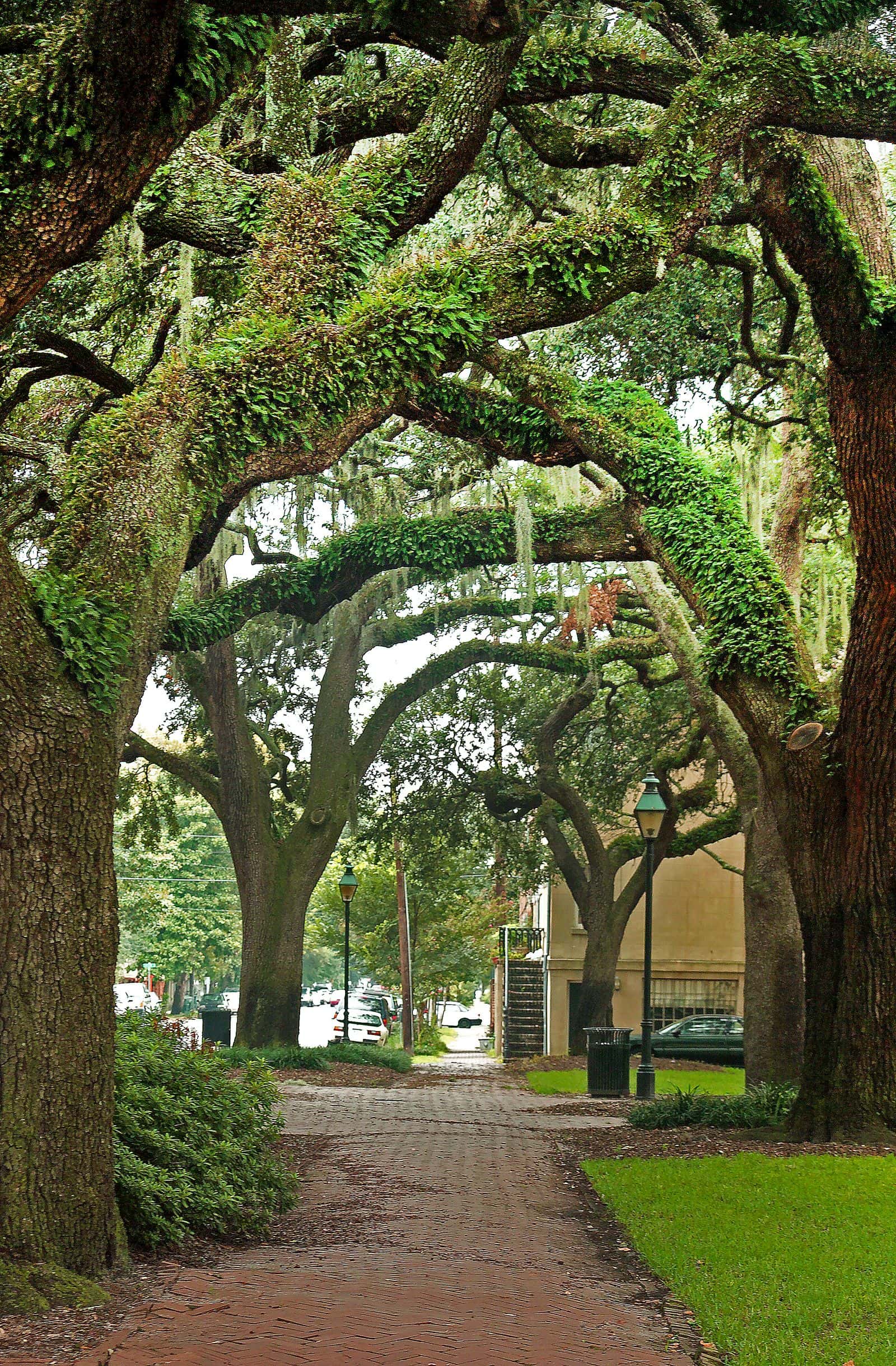
A live oak in a New Orleans yard is often older than the house. The care that keeps one healthy is mostly about the ground: keep cars and construction off the root zone, avoid piling soil or paving over roots, and don't cut big roots to fix a sidewalk without an arborist's advice.
Above ground, prune for structure: reduce long, heavy limbs over roofs and remove deadwood. Avoid stripping interior branches, which leaves weight at the ends of limbs and makes them more likely to break in wind.
Live oaks, water oaks, cypress and crape myrtles
- Southern live oak
- Iconic and wind-firm, but termite and decay hollows weaken some
- Water oak and laurel oak
- Shorter-lived; frequent storm failures
- Bald cypress
- Wind-firm native on wet sites
- Crape myrtle
- Ubiquitous small tree; often over-pruned
- Chinese tallow
- Invasive, weak-wooded volunteer
New Orleans rules for city trees
- No one may remove, cut or interfere with a city tree without prior written approval from the Department of Parks and Parkways, and only arborists approved by the department may work on city trees.
- Trees on neutral grounds and other public rights-of-way are city trees. Trees on private lots are the owner's responsibility.
Sources (checked 2026-10-01)
Rules change and details depend on your exact property. Confirm with the city or county before work starts. This isn't legal advice.
Shotgun lots and narrow side alleys
Shotgun and Creole cottage lots are narrow and deep, often with side alleys only a few feet wide. Most backyard removals are climbed and lowered by hand; live-oak limbs frequently reach over neighboring roofs.
Because side alleys are often only a few feet wide, most wood leaves by hand. Big limbs over neighboring roofs are rigged and lowered rather than dropped, which takes more time per cut.
New Orleans services through hurricane season
Post-hurricane cleanup on private property.
Trees on houses and cars during storms.
Checking for termite hollows and decay in large oaks.
Structural pruning on live oaks before hurricane season.
Failing water and laurel oaks.
New Orleans questions
How can I tell if termites are inside my tree?
Look for mud tubes on the bark, a carton-like material in cavities, or swarms around the tree on spring evenings. Hollows aren't always visible, so an arborist may test the trunk with a mallet or resistance drill.
A neutral-ground tree fell across my street after a storm. Can I cut it?
No. Neutral-ground trees belong to the city. Report it to 311 and stay away from any wires. Only Parks and Parkways or approved arborists may cut city trees.
When should I prune live oaks before hurricane season?
Well before August. Removing deadwood and correcting weak limbs in late winter or spring is ideal. Avoid lion-tailing (stripping inner branches), which makes limbs more likely to break in wind.
Calls are routed to independent local tree-service providers. How calling works
More local guides
Need tree help in New Orleans?
Call to speak with a local tree-service provider about removal, trimming, stumps or storm damage. Describe the tree and what it's near, and they'll explain the next step.