Charlotte, NC · Mecklenburg County
Tree removal in Charlotte
Charlotte's older neighborhoods are shaded by large willow oaks, many planted around a century ago and now declining, so limb failures and removals of aging oaks are common. Ice storms and tropical-storm remnants cause most emergencies. On an existing single-family lot, removing a private tree generally doesn't require a city permit, but street trees in the right-of-way are the city's.
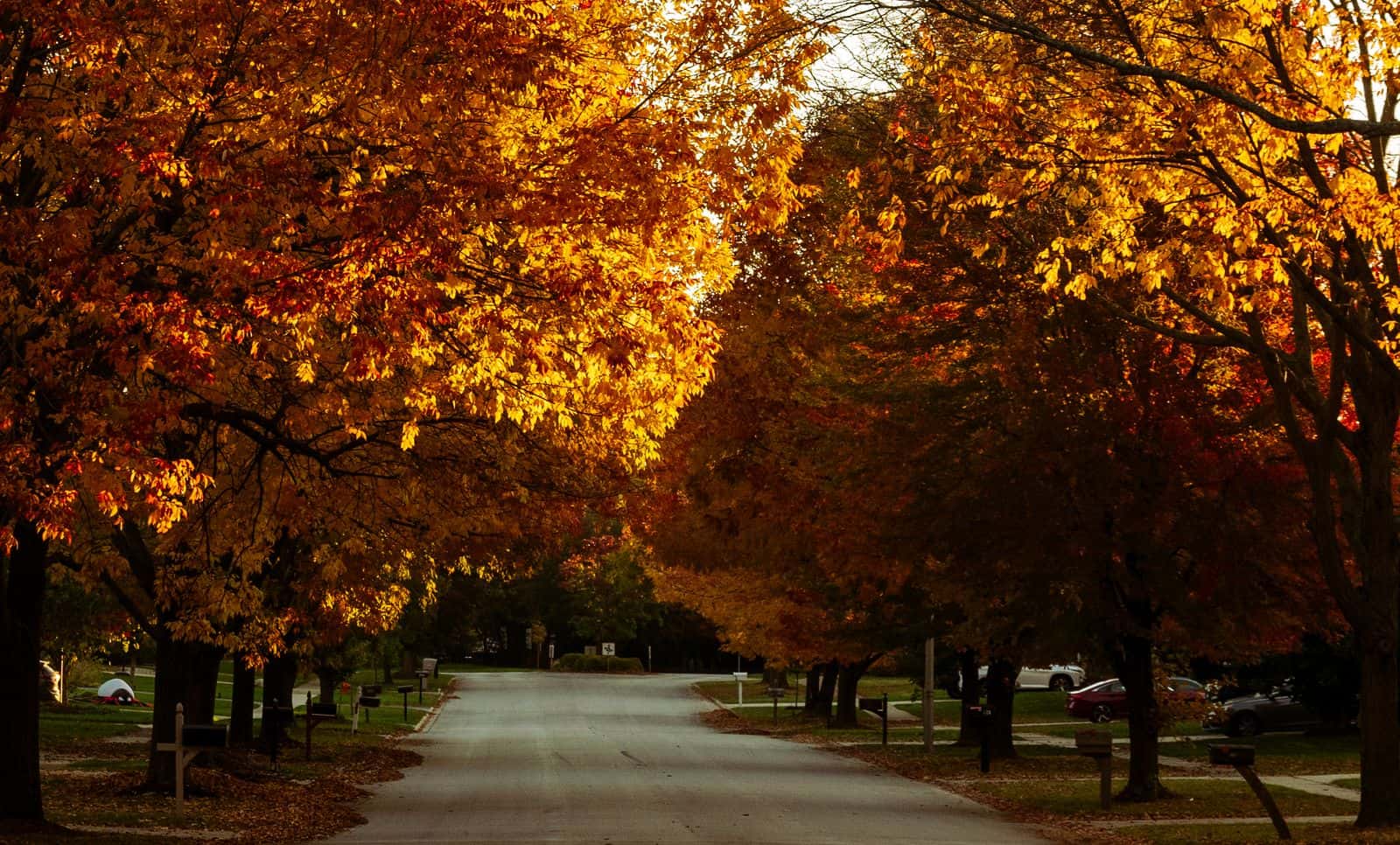
Myers Park, Dilworth, Eastover and Plaza Midwood are known for their willow oak canopy. These oaks were planted in large numbers in the early 1900s and are reaching the end of their natural lifespan together. That's why the city and nonprofits have been planting replacements, and why so many homeowners here are weighing whether a huge old oak can be kept safely.
Charlotte's red clay compacts easily. Construction, driveway work and utility trenches near big trees often cause decline that shows up years later, and old root damage is a common hidden factor when a large tree fails.
Reviewed and updated
Willow oaks, ice and red clay: Charlotte's conditions
Aging willow oaks
Much of the historic canopy is old; decay, dieback and limb drop are common.
Ice storms
Freezing rain across the Piedmont breaks pines and hardwoods.
Tropical remnants
Storms like Hugo (1989), still remembered for its canopy damage, and later remnants bring wind on saturated soil.
Compacted clay and root damage
Construction around roots causes slow decline and eventual failure.
Protecting a big oak during a driveway or construction project
In Charlotte's red clay, the damage that kills a mature willow oak is usually done in a few days of construction and shows up years later. Before work starts near a large tree:
- 1
Mark the root zone
Fence off as much of the area under the canopy as you can; roots extend well past the branch tips.
- 2
Keep weight off it
No parked machines, material piles or washout inside the fence. Clay compacts and stays compacted.
- 3
Route utilities around or under
Trenching across the root zone severs roots; boring underneath does far less harm.
- 4
Watch for two to five years
Thinning crowns and dead upper limbs after construction are the delayed signs of root damage.
Charlotte's aging willow oak canopy and its neighbors
- Willow oak
- Signature street and yard tree; many near end of life
- Loblolly pine
- Ice and wind breakage in newer subdivisions
- Tulip poplar
- Tall, fast, limb drop
- Red maple
- Common; moderate storm tolerance
- Bradford pear
- Splits at forks; invasive callery pear
Who controls which trees in Charlotte
- The City of Charlotte oversees trees in the public right-of-way (street trees); contact the city's Landscape Management office to confirm whether a tree is city-maintained before any work.
- The Charlotte Tree Ordinance and UDO Article 20 apply mainly to development; existing single-family homes are generally exempt from those tree-save requirements.
Sources (checked 2026-10-01)
Rules change and details depend on your exact property. Confirm with the city or county before work starts. This isn't legal advice.
Pines left standing after lot clearing
Many homes toward Ballantyne and University sit among loblolly pines that grew up inside a forest and were left standing when the lots were cleared. Trees that grew in a group lean on each other for shelter; once their neighbors are gone, they face the full wind with roots that may have been cut during grading.
Those edge pines are the ones most likely to fail in the first few storms after development. If your house was built in the last decade among remnant pines, it's worth having the closest ones checked for lean, root damage and beetle activity.
Older planting strips and suburban backyards
Older neighborhoods have big oaks in narrow planting strips and backyards with overhead service drops. Suburban lots toward Ballantyne and University have younger trees and pines left from lot clearing.
In Myers Park and Dilworth, the biggest oaks often stand in the city's planting strip rather than the yard, which changes who decides what happens to them. Duke Energy handles trees touching its lines; everything on your side of the strip is yours to maintain.
Charlotte services, matched to its trees
The first step for an aging willow oak near the house.
Declining oaks, failing pears and remnant pines.
Deadwood and weight reduction on big oaks before ice season.
Ice storm and tropical-remnant cleanup.
Red clay mounds pack hard; rake out chips before reseeding.
Charlotte tree questions
Who owns the big oak between my sidewalk and the street in Charlotte?
Trees in the right-of-way are generally city trees. Call Charlotte's Landscape Management office (via 311) to confirm before any pruning or removal.
Who clears trees from power lines in Charlotte after an ice storm?
Duke Energy, the area's electric utility, clears trees from its lines during restoration. Treat every downed line as live. After the utility makes the line safe, removing the tree from your property is usually your job.
Can an old willow oak be saved?
Often, for years, with deadwood pruning, reduction of heavy limbs and protection of the root zone. An arborist's risk assessment tells you whether decay has gone too far.
How bad was Charlotte's 2002 ice storm for trees?
The December 2002 ice storm is still the benchmark. Ice brought down limbs across the city's willow oak canopy and left much of the area without power for days, some homes for more than a week. Many of the large oaks that came through it still carry old breaks and decay pockets worth having inspected.
Calls are routed to independent local tree-service providers. How calling works
More local guides
Need tree help in Charlotte?
Call to speak with a local tree-service provider about removal, trimming, stumps or storm damage. Describe the tree and what it's near, and they'll explain the next step.