
Tree Cutting · Statewide
Tree Cutting in Connecticut
By calling, you agree that your call may be recorded and routed to an independent local tree-service provider, who may call or text you back about your request. Calling is free and does not obligate you to hire anyone. See our Privacy Policy.
- Free to call
- Independent local providers
- You decide
Tree problems in Connecticut that call for tree cutting
- 1
Tropical storms and nor'easters
Irene and the October 2011 nor'easter caused record outages.
- 2
Roadside trees and lines
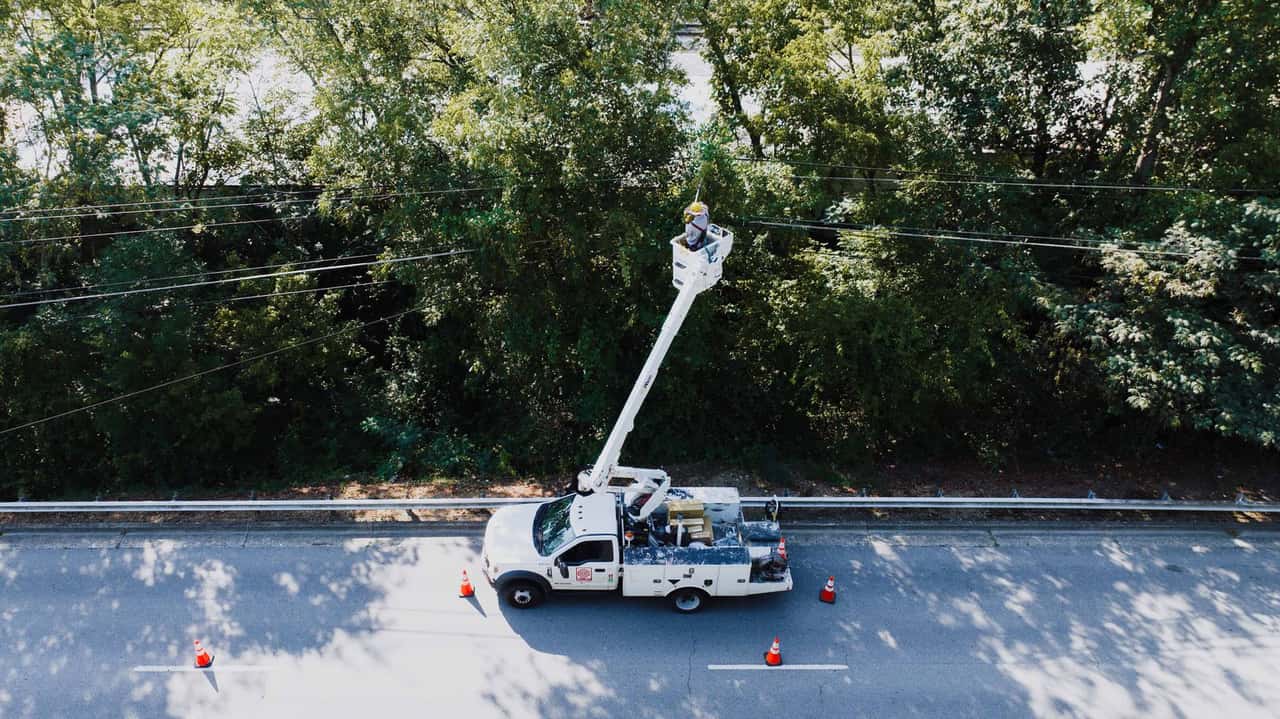
Mature trees over roads and wires; utilities trim with owner approval.
- 3
Defoliation and drought
Caterpillar outbreaks and dry years weaken oaks.
What tree cutting covers
Tree cutting is the work of bringing a tree down safely.
How tree cutting works, step by step · part of tree removal
Describe the tree and what it's near, and you'll reach an independent provider serving Connecticut.
Call for tree serviceTrees in Connecticut that most often need tree cutting
- Red and white oak
- Big roadside and yard trees; defoliation stress
- Sugar and red maple
- Common; storm breakage
- Eastern white pine
- Tall; snow and ice loading
Timing in Connecticut
- Late summer–fall
- Tropical storms and early snow
- Winter
- Nor'easters, ice and snow
- Late winter
- Good pruning window
Tree rules and permits in Connecticut
- Connecticut law requires the adjoining property owner's approval before an electric utility's contractors prune or remove a tree, with an appeal process when public safety or disputes arise.
- After the 2011 storms, utilities expanded tree trimming, and a state vegetation management task force was formed in 2012 to develop roadside tree standards.
Sources (checked 2026-10-03)
Rules change and details depend on your exact property. Confirm with the city or county before work starts. This isn't legal advice.
What affects the price of tree cutting in Connecticut
The usual drivers are size, access, what's under the tree and cleanup; see the full list for tree cutting.
Tree Cutting in Connecticut: common questions
Do I need a permit for tree Cutting in Connecticut?
Connecticut law requires the adjoining property owner's approval before an electric utility's contractors prune or remove a tree, with an appeal process when public safety or disputes arise. After the 2011 storms, utilities expanded tree trimming, and a state vegetation management task force was formed in 2012 to develop roadside tree standards.
Which trees in Connecticut most often need tree cutting?
Red and white oak: big roadside and yard trees; defoliation stress Sugar and red maple: common; storm breakage Eastern white pine: tall; snow and ice loading
When is the best time for tree cutting in Connecticut?
Late summer–fall: Tropical storms and early snow Winter: Nor'easters, ice and snow
Tropical storms and nor'easters: what does it mean for tree cutting in Connecticut?
Irene and the October 2011 nor'easter caused record outages.
Roadside trees and lines: what does it mean for tree cutting in Connecticut?
Mature trees over roads and wires; utilities trim with owner approval.
Defoliation and drought: what does it mean for tree cutting in Connecticut?
Caterpillar outbreaks and dry years weaken oaks.
Other tree services in Connecticut
- Tree Removal in Connecticut
- Emergency Tree Removal in Connecticut
- Storm Damage Tree Removal in Connecticut
- Tree Trimming & Pruning in Connecticut
- Stump Grinding & Removal in Connecticut
- Dead Tree Removal in Connecticut
- Hazardous Tree Removal in Connecticut
- Large Tree Removal in Connecticut
- Tree Risk Assessment in Connecticut
- Commercial Tree Services in Connecticut
- Land Clearing in Connecticut
- Stump Removal in Connecticut
- Palm Tree Removal in Connecticut
- Oak Tree Removal in Connecticut
- Pine Tree Removal in Connecticut
- Emergency Tree Trimming in Connecticut
- Emergency Tree Cutting in Connecticut
More about Connecticut: tree removal in Connecticut · all locations
Need tree cutting in Connecticut?
Call to reach an independent tree-service provider that serves Connecticut. Calling is free and you decide whether to hire anyone.
By calling, you agree that your call may be recorded and routed to an independent local tree-service provider, who may call or text you back about your request. Calling is free and does not obligate you to hire anyone. See our Privacy Policy.