
Tucson, AZ · Pima County
Tree removal in Tucson
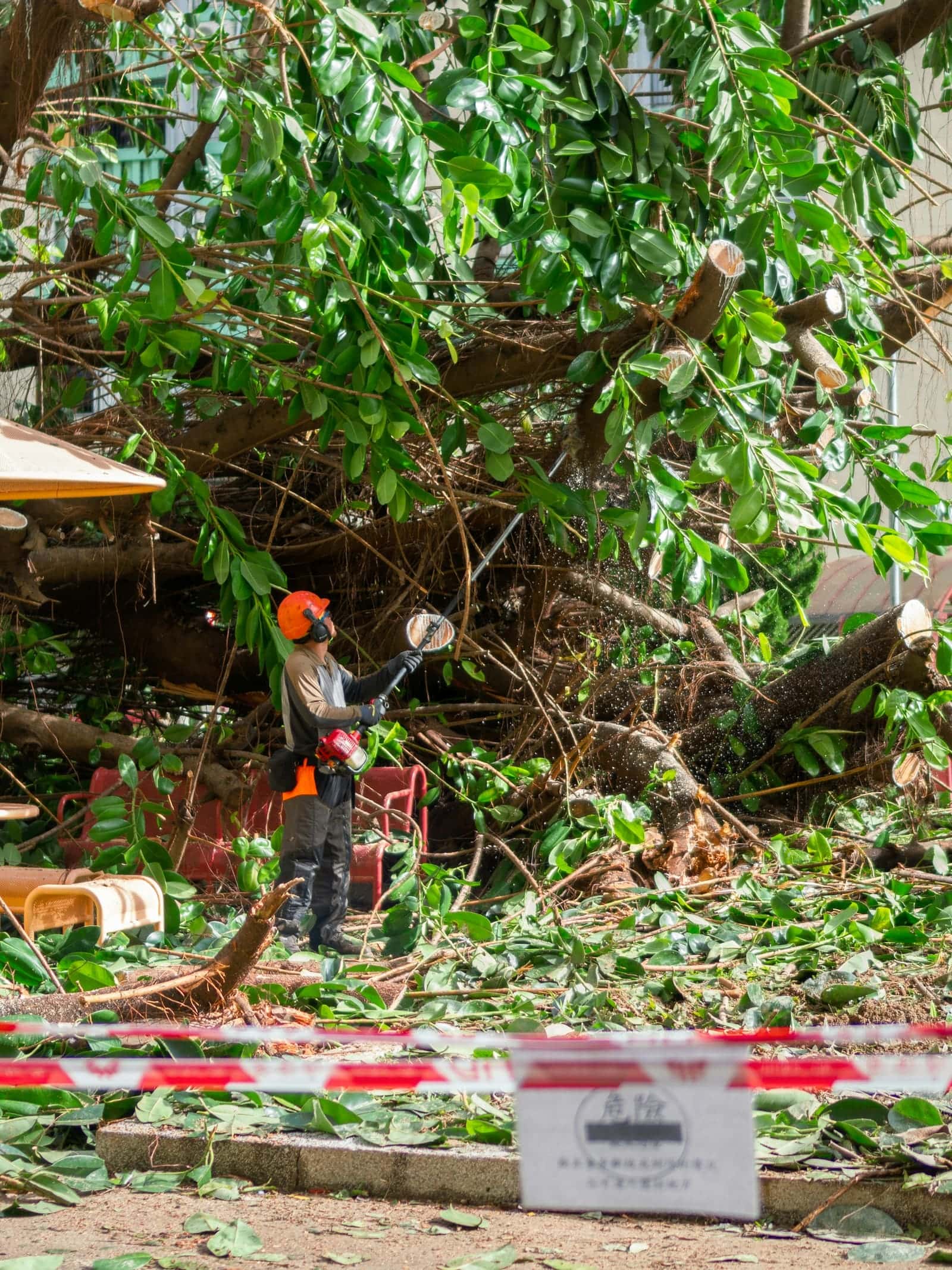
In Tucson, most tree removals follow monsoon storms, which run from mid-June through September and snap or topple mesquite, palo verde and non-native shade trees. Removing a tree from an existing home's yard generally needs no city permit; Tucson's Native Plant Preservation rules apply to development. Keep trees at least 10 feet from power lines.
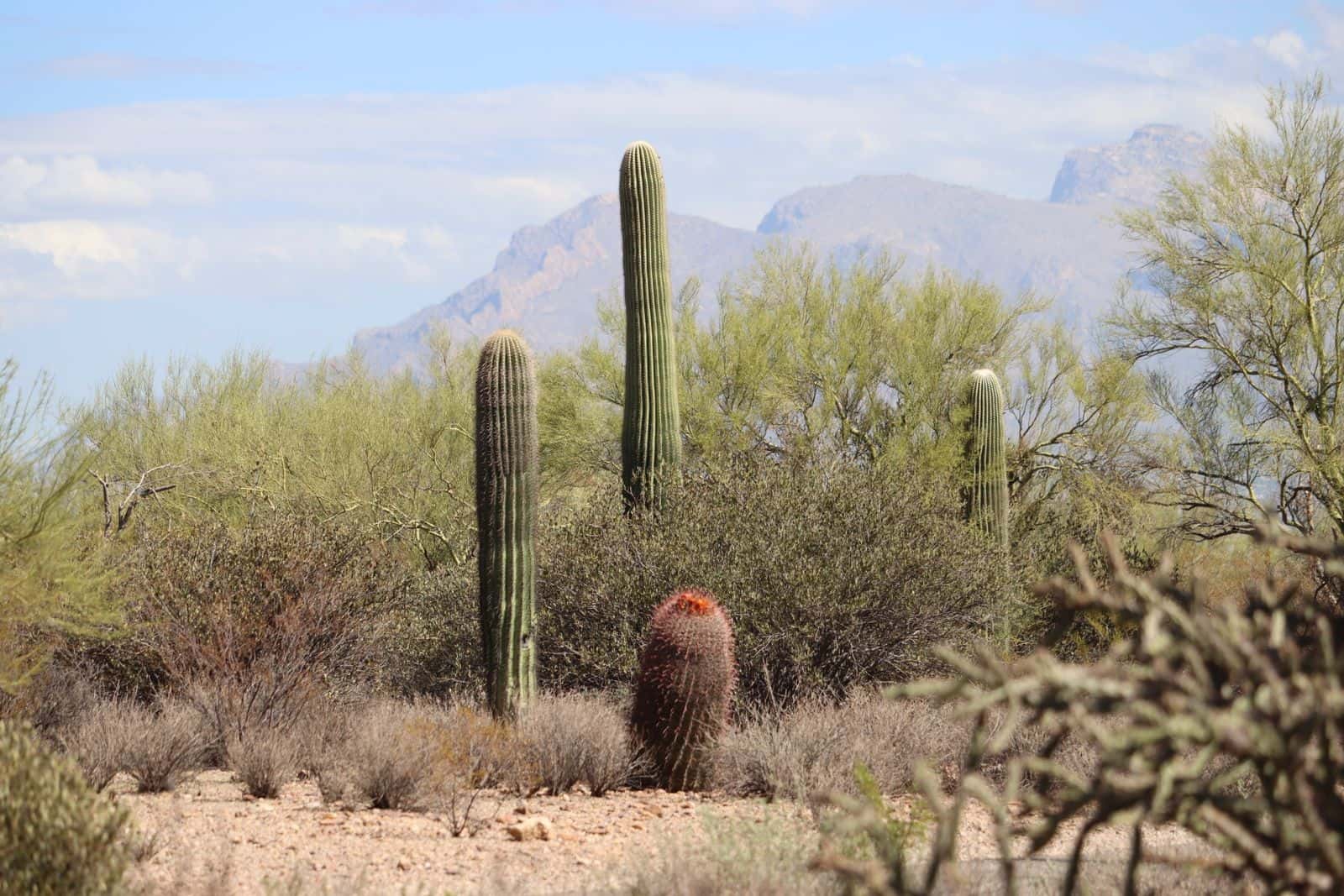
Tucson's trees grow in the Sonoran Desert on irrigation or very little water. Native velvet mesquite, palo verde and desert ironwood handle heat and drought, but monsoon microbursts, sudden downward bursts of wind ahead of summer thunderstorms, still break heavy, over-watered or poorly pruned crowns and push trees over in soaked soil. Non-native eucalyptus, Aleppo pine and African sumac planted in older neighborhoods are frequent removals.
Tucson Electric Power asks residents to keep vegetation on their property at least 10 feet from power lines, because monsoon winds drive branches into lines and cause outages and fires. Pima County has also banned the sale and planting of most mulberry and olive trees since the 1980s to cut pollen, though existing trees could stay.
Reviewed and updated
Monsoon winds, irrigation and desert heat
Monsoon microbursts
June 15 to September 30; sudden winds topple top-heavy trees and snap palo verde and mesquite limbs.
Over-watering and shallow roots
Frequent shallow drip irrigation keeps roots near the surface, so trees blow over more easily in saturated monsoon soil.
Heat and drought stress
Dieback in non-native shade trees, and bark beetles in stressed pines.
Power lines
Branches within 10 feet of lines are a monsoon outage and fire risk.
Why Tucson trees blow over: watering habits
Many Tucson trees that fall in monsoon storms were healthy but anchored badly. Frequent, shallow drip irrigation keeps roots in the top few inches of soil near the emitters, and a monsoon downpour followed by a microburst can tip a top-heavy tree with a small root plate.
The usual desert-landscape advice is to water trees deeply and less often, with emitters moved outward toward the edge of the canopy as the tree grows, so roots spread wide and deep. It's the cheapest way to make a yard tree more wind-firm.
Monsoon-season prep for desert trees
- Thin dense mesquite and palo verde crowns lightly in spring so wind passes through; don't strip interior branches.
- Remove dead branches and weak, narrow forks over the house, pool and walls.
- Clear anything within 10 feet of power lines, or ask TEP about lines it maintains.
- Have tall eucalyptus and Aleppo pines near the house looked at; they're among the most common monsoon failures.
- Avoid heavy pruning in June: fresh cuts and lost shade stress trees going into the hottest weeks.
Native plant, utility and pollen rules
- Tucson's Native Plant Preservation standards (Unified Development Code §7.7) require an inventory and preservation plan for protected native plants, including ironwood, mesquite and palo verde, when land is developed.
- Tucson Electric Power asks residents to keep vegetation on their property at least 10 feet from power lines.
- Pima County prohibits selling or planting mulberry and olive trees (Code §7.41.030), except low-pollen varieties; existing trees don't have to be removed.
Sources (checked 2026-10-01)
Rules change and details depend on your exact property. Confirm with the city or county before work starts. This isn't legal advice.
Mesquite, palo verde, ironwood and the imports
- Velvet mesquite
- Native; dense crowns need thinning before monsoon season
- Palo verde
- Native; limbs split at weak forks, and roots are shallow when over-watered
- Desert ironwood
- Native and protected in development; very hard wood
- Eucalyptus and Aleppo pine
- Large non-natives in older neighborhoods; frequent storm failures
- Olive and mulberry
- Existing trees allowed; new planting banned in Pima County for pollen
Walled yards, pools and foothill lots
Most Tucson yards are walled and gravel-scaped, with block walls, pools and ramadas close to trees. Many removals are done in sections lifted over the wall from an alley or street. Large lots in the foothills and on the east side have steep, rocky ground where equipment access is limited.
Tucson services through the monsoon
Trees snapped or blown over by monsoon microbursts.
Spring thinning of mesquite and palo verde.
Aging eucalyptus, pines and declining non-natives.
Trees on walls, roofs or lines after a storm.
After removals, where machines can reach through walled yards.
Tucson tree questions
Do I need a permit to remove a tree from my Tucson yard?
Generally not for an existing home. Tucson's native plant preservation rules apply when land is developed. Trees in the public right-of-way and HOA rules are separate, so check those before cutting.
Can I plant a new olive or mulberry tree in Tucson?
Only low-pollen varieties. Pima County bans selling or planting most mulberry and olive trees; existing ones can stay.
When should I prune mesquite and palo verde in Tucson?
Before monsoon season, ideally in late winter or spring. Light thinning of dense crowns reduces wind load; heavy summer pruning just before storms stresses the tree.
Calls are routed to independent local tree-service providers. How calling works
More local guides
Need tree help in Tucson?
Call to speak with a local tree-service provider about removal, trimming, stumps or storm damage. Describe the tree and what it's near, and they'll explain the next step.