
Hazardous Tree Removal · Statewide
Hazardous Tree Removal in Arizona
By calling, you agree that your call may be recorded and routed to an independent local tree-service provider, who may call or text you back about your request. Calling is free and does not obligate you to hire anyone. See our Privacy Policy.
- Free to call
- Independent local providers
- You decide
Tree problems in Arizona that call for hazardous tree removal
- 1
Monsoon microbursts
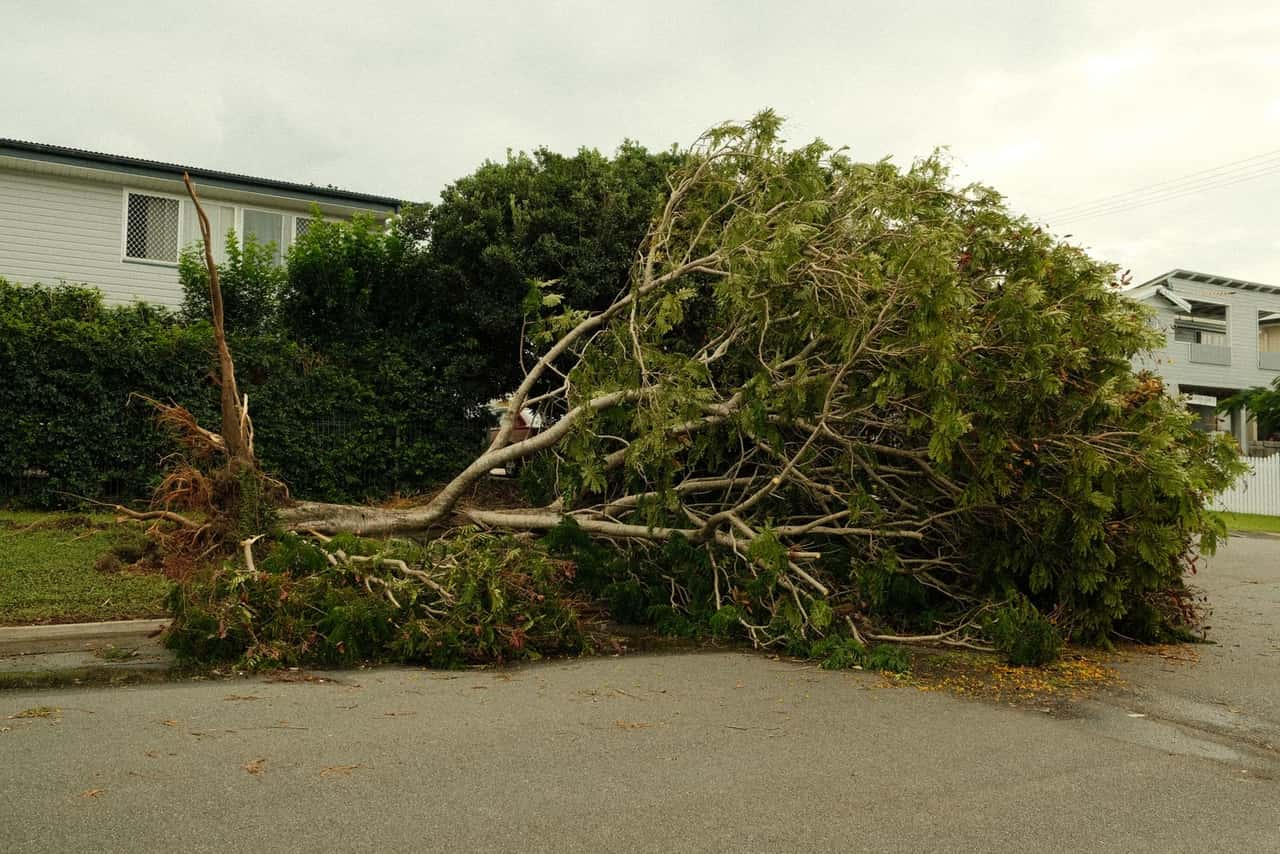
Short, violent downbursts can exceed hurricane-force winds locally and uproot whole trees in minutes.
- 2
Heat and sunscald
Exposed bark cracks and dies, inviting decay.
- 3
Shallow roots from irrigation
Drip systems that water often and shallowly leave trees poorly anchored.
What hazardous tree removal covers
A hazardous tree is a living tree with a defect, such as a crack, decay, a failing root plate or a new lean, that makes it likely to fail onto something that matters: a house, a driveway, a street or a place people use.
How hazardous tree removal works, step by step · part of tree removal
Describe the tree and what it's near, and you'll reach an independent provider serving Arizona.
Call for tree serviceTrees in Arizona that most often need hazardous tree removal
- Palo verde
- Native; protected under the Native Plant Law; brittle when overgrown
- Ironwood
- Native, very slow-growing, protected
- Eucalyptus and African sumac
- Large non-natives; eucalyptus prone to wind failure
Timing in Arizona
- Winter–early spring
- Best window for structural pruning of most desert trees
- May–June
- Thin dense crowns before monsoon; avoid heavy pruning in extreme heat
- June 15–Sept 30
- Monsoon season; emergency calls peak after storms
Tree rules and permits in Arizona
- The Arizona Native Plant Law protects many native plants on private as well as public land, including palo verde, mesquite and ironwood trees. Landowners must notify the Arizona Department of Agriculture before destroying protected plants: at least 20 days for under one acre, 30 days for one to 40 acres, and 60 days for larger areas.
- Trees in city rights-of-way generally require city permission to remove; HOAs often have their own approval rules.
Sources (checked 2026-10-01)
Rules change and details depend on your exact property. Confirm with the city or county before work starts. This isn't legal advice.
What affects the price of hazardous tree removal in Arizona
The usual drivers are size, access, what's under the tree and cleanup; see the full list for hazardous tree removal.
Hazardous Tree Removal in Arizona: common questions
Do I need a permit for hazardous Tree Removal in Arizona?
The Arizona Native Plant Law protects many native plants on private as well as public land, including palo verde, mesquite and ironwood trees. Landowners must notify the Arizona Department of Agriculture before destroying protected plants: at least 20 days for under one acre, 30 days for one to 40 acres, and 60 days for larger areas. Trees in city rights-of-way generally require city permission to remove; HOAs often have their own approval rules.
Which trees in Arizona most often need hazardous tree removal?
Palo verde: native; protected under the Native Plant Law; brittle when overgrown Ironwood: native, very slow-growing, protected Eucalyptus and African sumac: large non-natives; eucalyptus prone to wind failure
When is the best time for hazardous tree removal in Arizona?
Winter–early spring: Best window for structural pruning of most desert trees May–June: Thin dense crowns before monsoon; avoid heavy pruning in extreme heat
Monsoon microbursts: what does it mean for hazardous tree removal in Arizona?
Short, violent downbursts can exceed hurricane-force winds locally and uproot whole trees in minutes.
Heat and sunscald: what does it mean for hazardous tree removal in Arizona?
Exposed bark cracks and dies, inviting decay.
Shallow roots from irrigation: what does it mean for hazardous tree removal in Arizona?
Drip systems that water often and shallowly leave trees poorly anchored.
Other tree services in Arizona
- Tree Removal in Arizona
- Emergency Tree Removal in Arizona
- Storm Damage Tree Removal in Arizona
- Tree Trimming & Pruning in Arizona
- Stump Grinding & Removal in Arizona
- Dead Tree Removal in Arizona
- Large Tree Removal in Arizona
- Tree Risk Assessment in Arizona
- Commercial Tree Services in Arizona
- Land Clearing in Arizona
- Stump Removal in Arizona
- Tree Cutting in Arizona
- Palm Tree Removal in Arizona
- Oak Tree Removal in Arizona
- Pine Tree Removal in Arizona
- Emergency Tree Trimming in Arizona
- Emergency Tree Cutting in Arizona
Hazardous Tree Removal nearby
More about Arizona: tree removal in Arizona · all locations
Need hazardous tree removal in Arizona?
Call to reach an independent tree-service provider that serves Arizona. Calling is free and you decide whether to hire anyone.
By calling, you agree that your call may be recorded and routed to an independent local tree-service provider, who may call or text you back about your request. Calling is free and does not obligate you to hire anyone. See our Privacy Policy.